
Iconic | Romantic | Scenic
1–2 hours
Paid
Beşiktaş
Couples | Culture Lovers | First-Time Visitors | Photographers
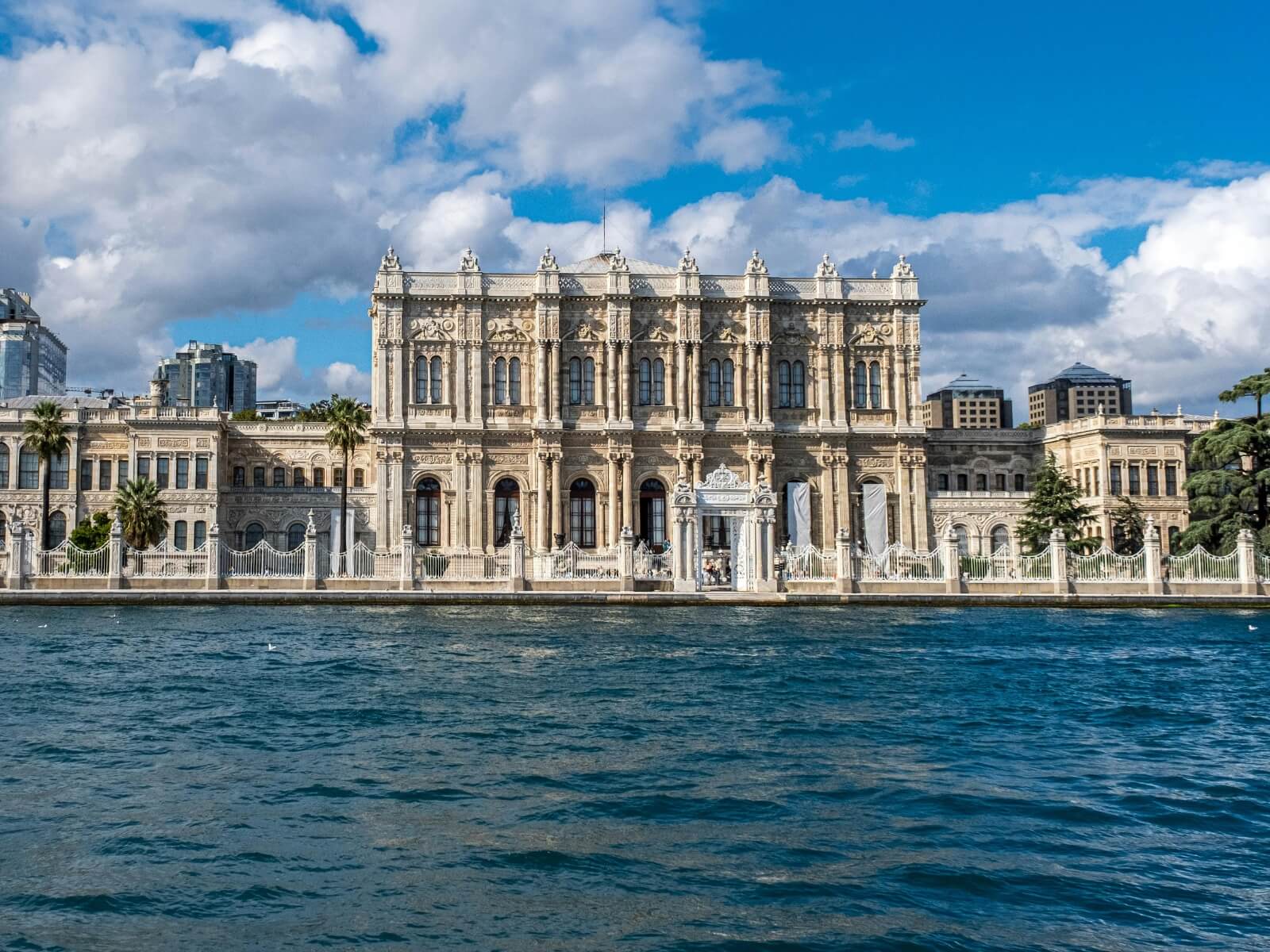
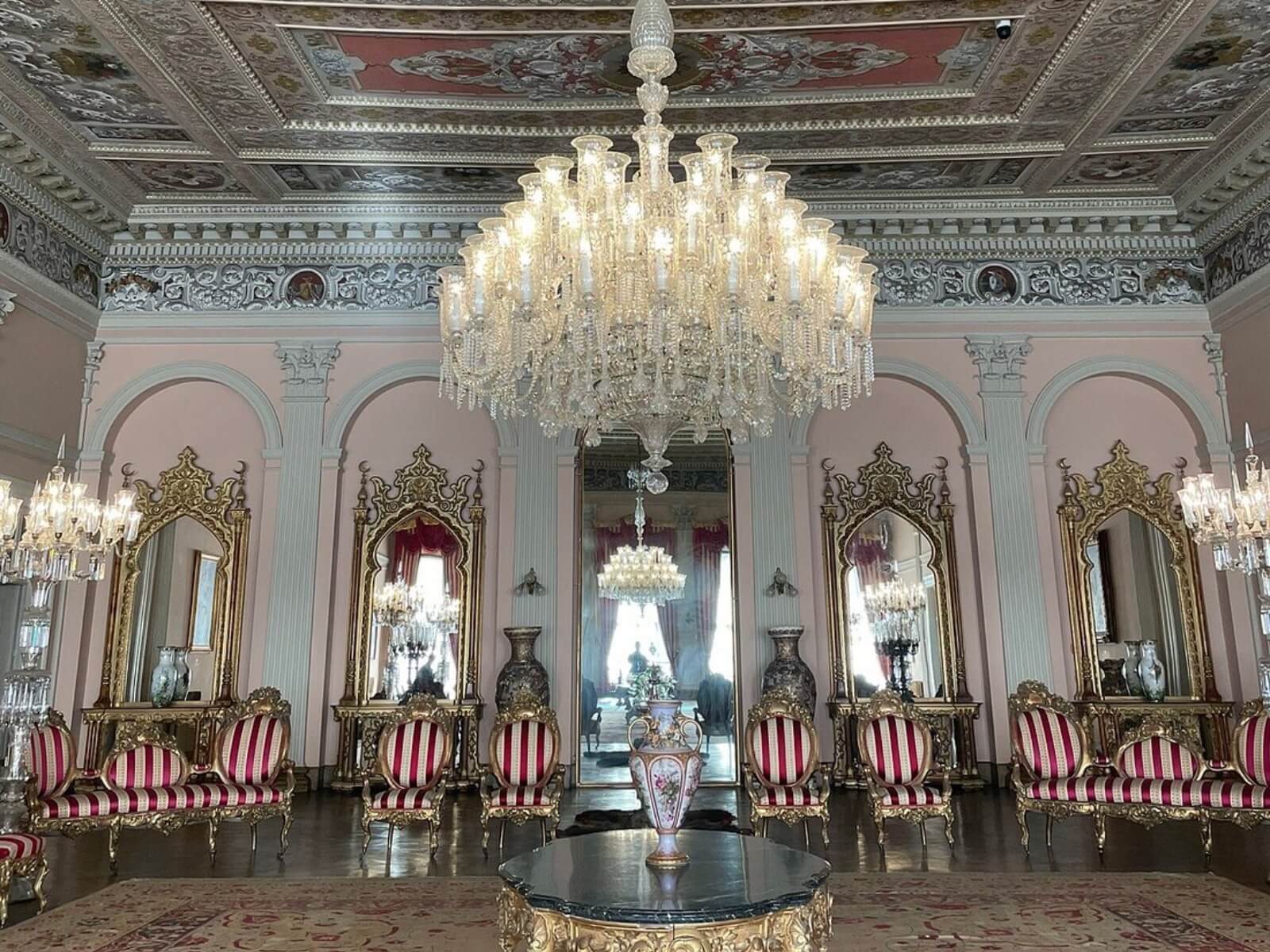
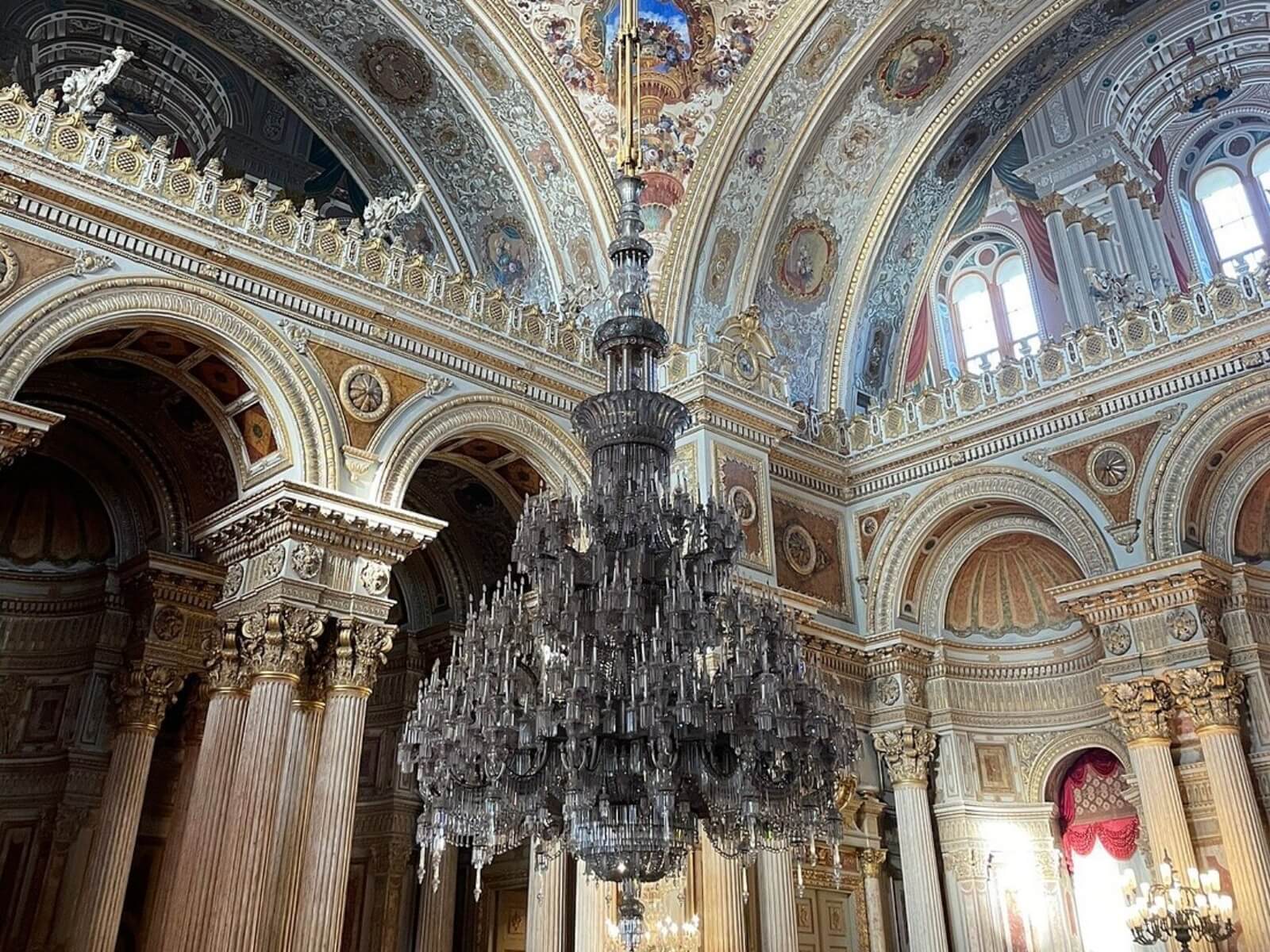
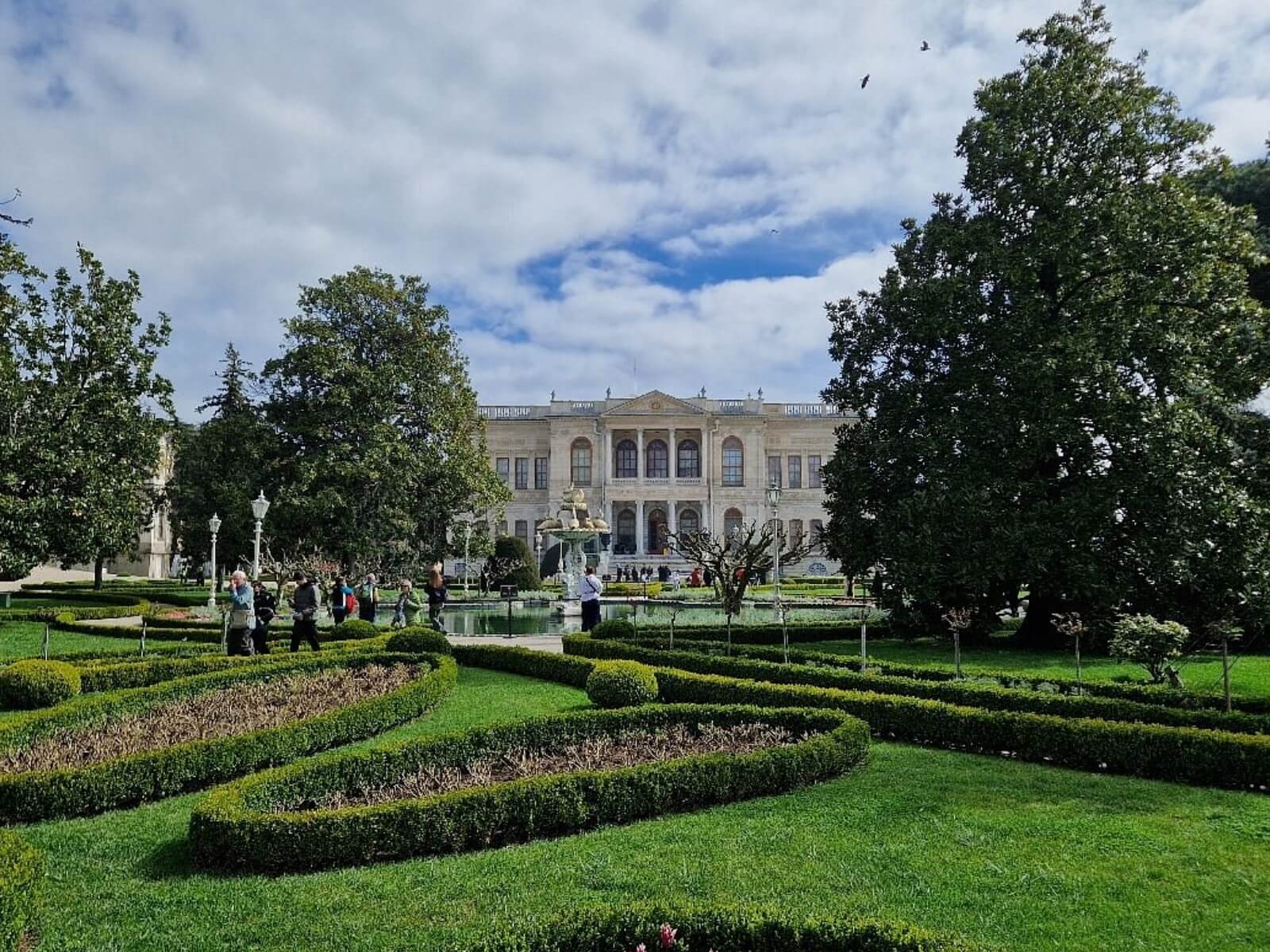
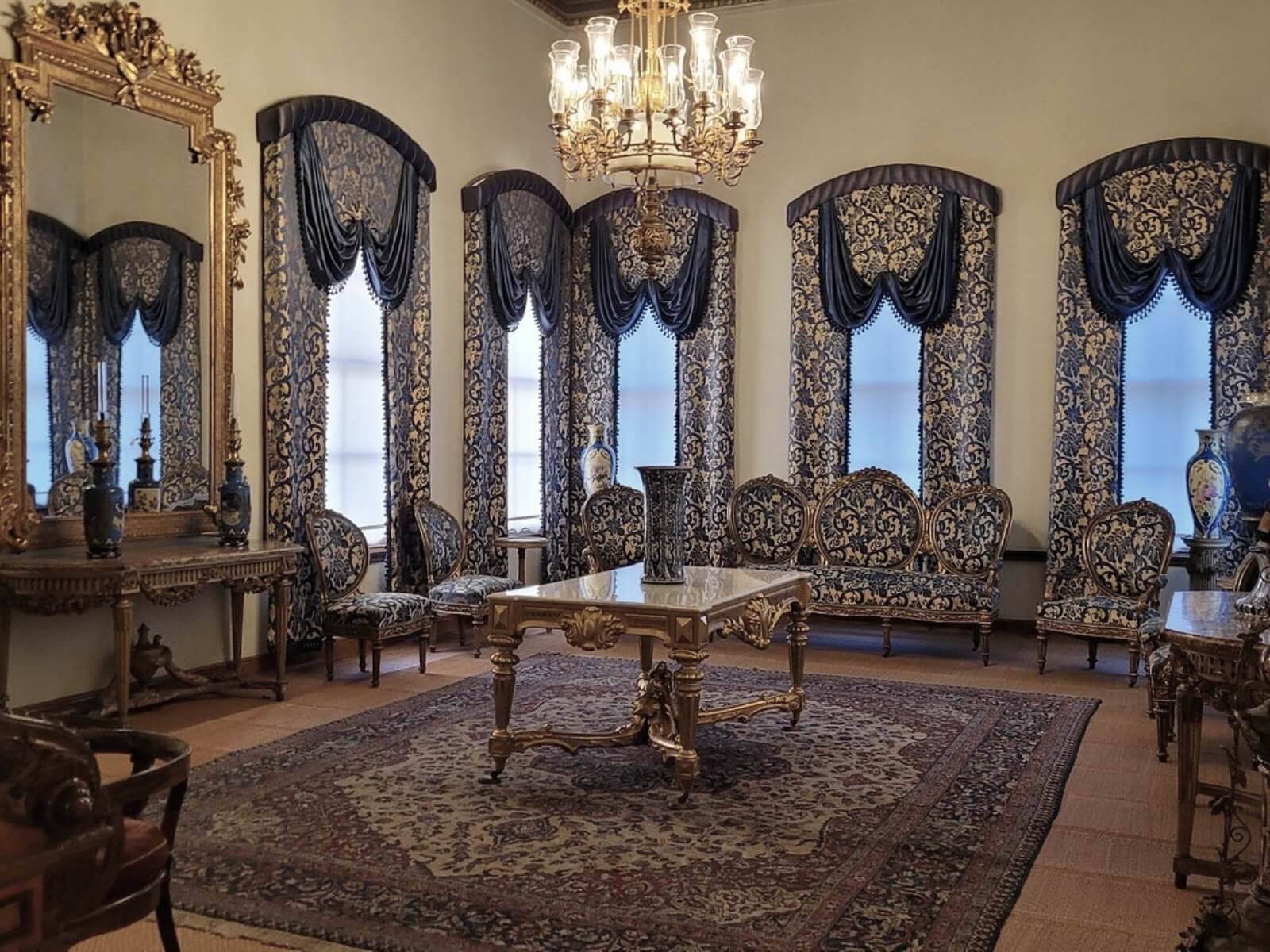
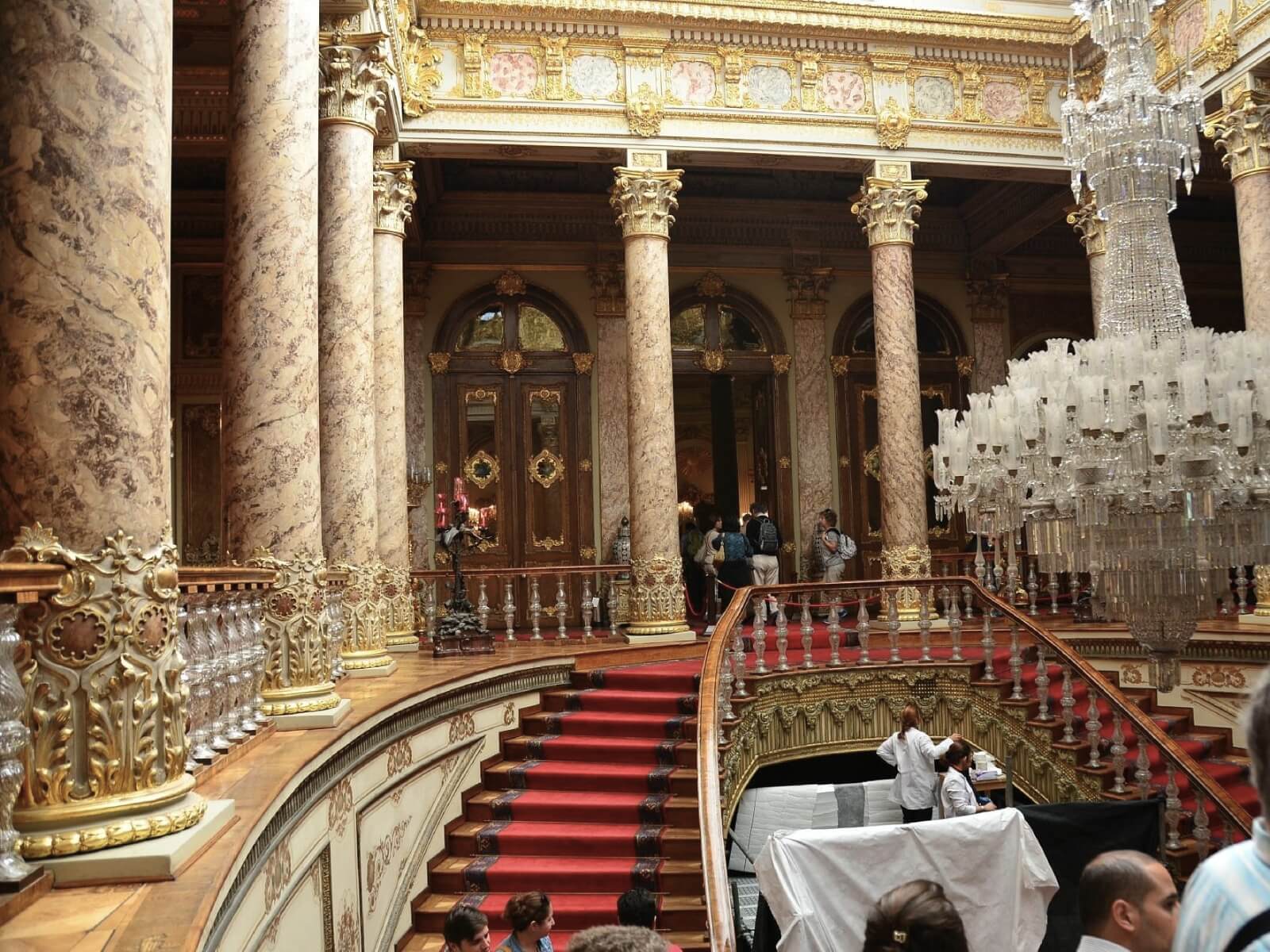
Dolmabahçe Palace immediately feels different from Istanbul’s older Ottoman landmarks. Instead of enclosed courtyards and restrained decoration, the palace opens toward the Bosphorus with monumental facades, crystal staircases, gilded ceilings, enormous chandeliers, and ceremonial halls designed to impress both politically and visually.
Inside, the atmosphere shifts between overwhelming grandeur and surprising quietness. Massive reception rooms filled with European-style decoration contrast with softer private chambers overlooking the water, while long corridors and ornate salons create a sense of scale rarely found elsewhere in the city.
Natural light plays a major role in the experience. Large windows facing the Bosphorus pull reflections from the water into the interiors, softening the heavy decoration and giving many rooms an unexpectedly elegant atmosphere despite their opulence. Visitors often move slowly through the palace not only because of its size, but because nearly every room contains another architectural detail, painted ceiling, or waterfront view competing for attention.
Unlike Topkapı Palace, which feels deeply connected to older Ottoman court traditions, Dolmabahçe reflects a more European-facing imperial identity. The palace carries traces of political transition, modernization, and the empire’s final decades, creating an atmosphere that feels both luxurious and historically reflective.
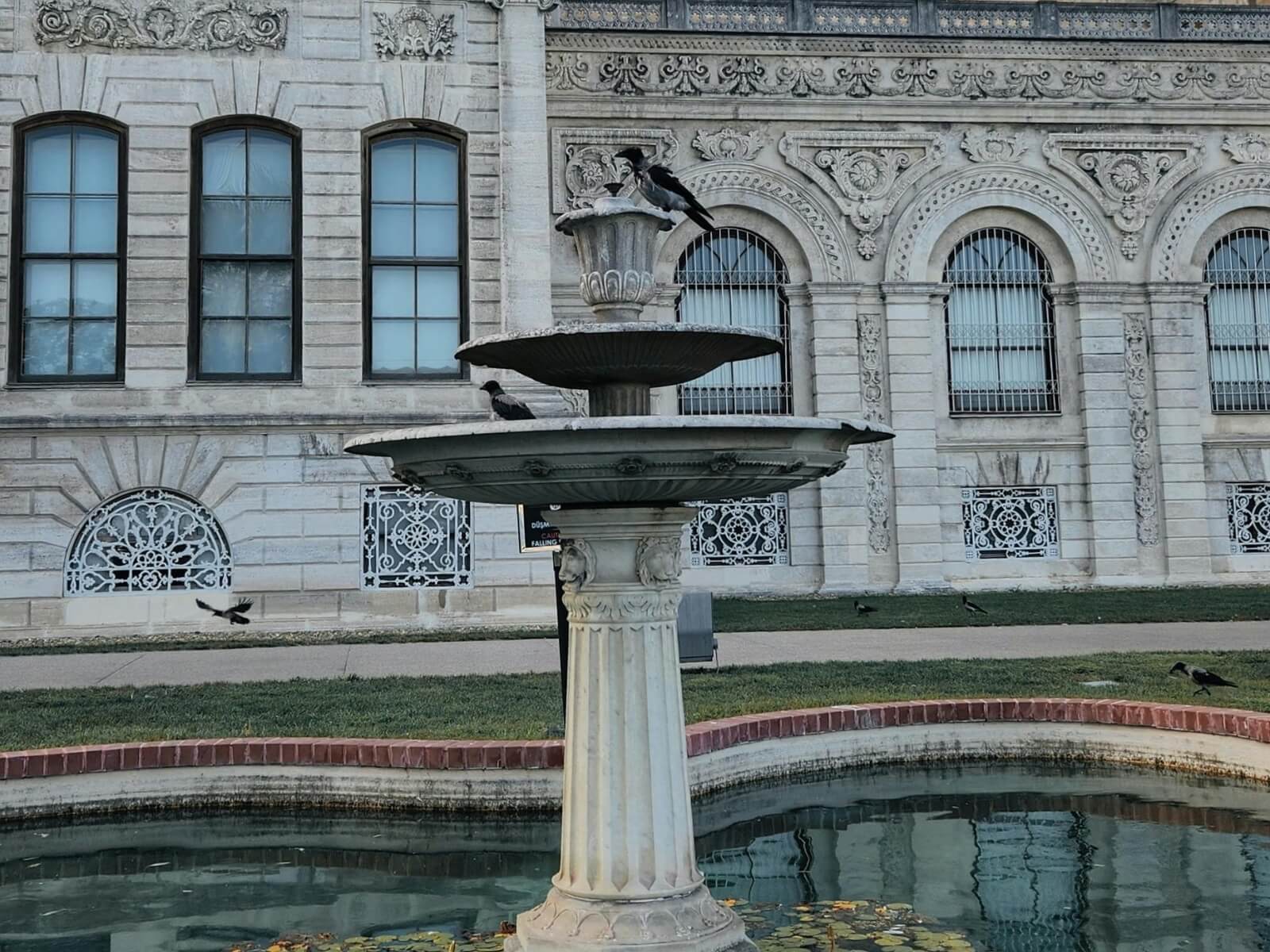
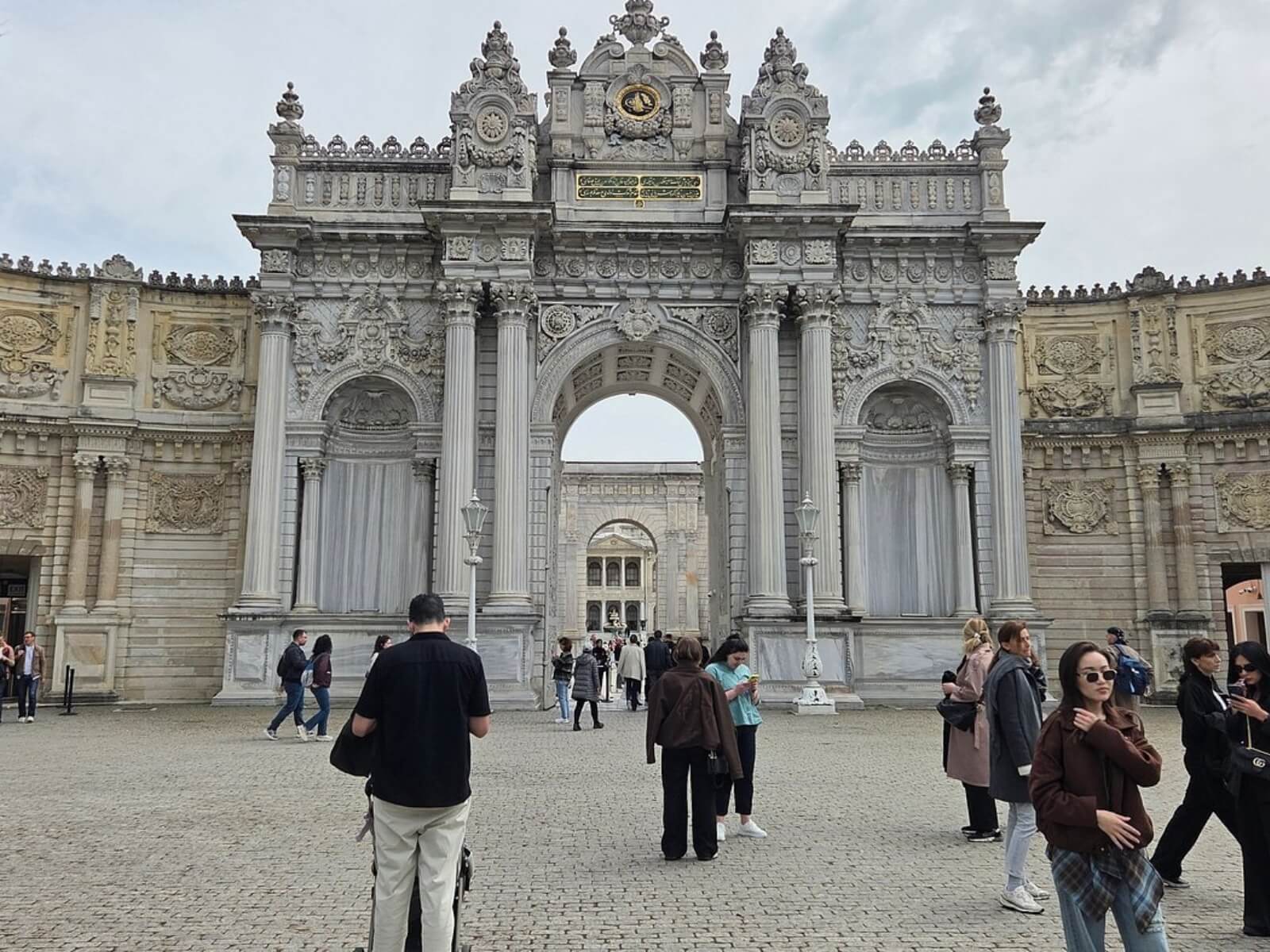
Located in Beşiktaş, Dolmabahçe Palace sits directly along one of the city’s busiest Bosphorus routes, where ferries, waterfront promenades, cafés, and daily commuter life continue just outside the palace walls.
The contrast between imperial architecture and modern Istanbul movement gives the area a distinctive atmosphere. Visitors leave ornate ceremonial halls and step almost immediately into the everyday rhythm of the Bosphorus — street vendors, ferry horns, crowded sidewalks, and locals moving between Beşiktaş, Kabataş, and the surrounding waterfront districts.
Many people combine the palace with longer walks along the Bosphorus toward Ortaköy or Karaköy, making the experience feel connected to the city rather than isolated from it. The nearby coastline and ferry terminals also create some of the best panoramic views of the European and Asian sides meeting across the water.
Morning visits often feel calmer and more architectural, while afternoons bring denser crowds and stronger waterfront energy around the surrounding area. Even for visitors less interested in palace history itself, the scale, location, and atmosphere of Dolmabahçe leave a strong impression because the building feels inseparable from the Bosphorus skyline surrounding it.