

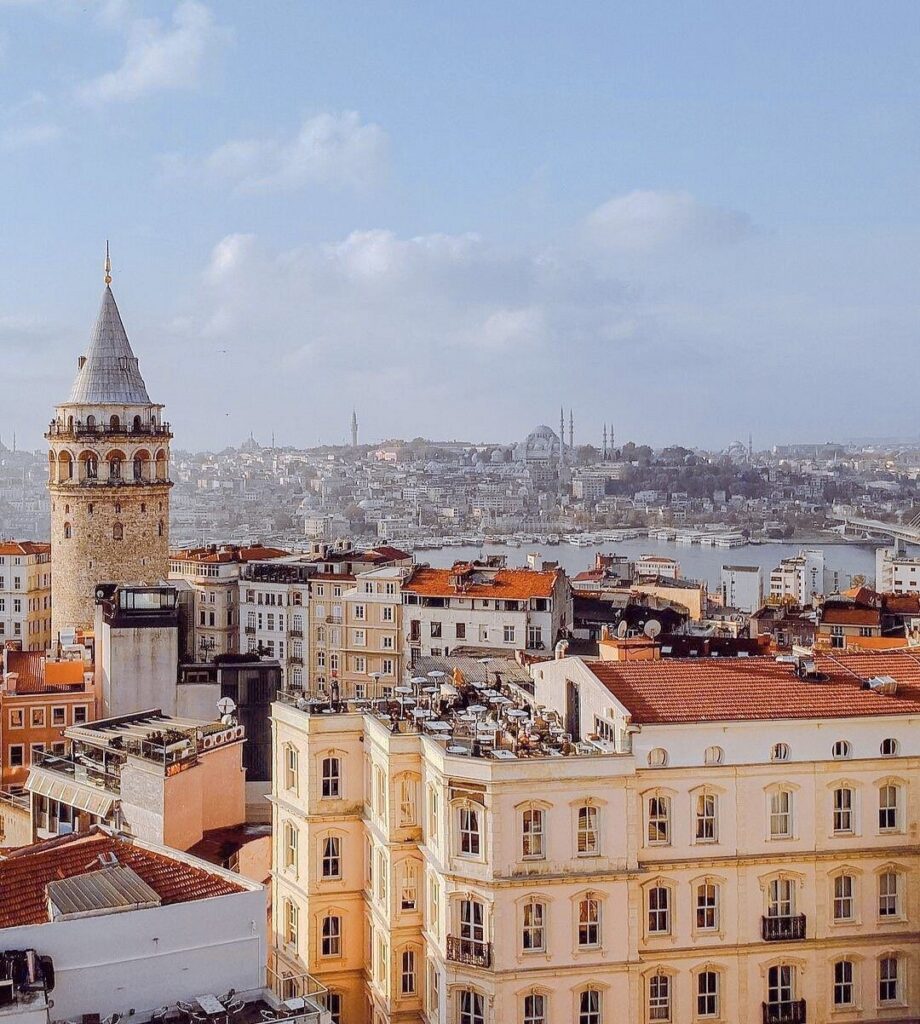
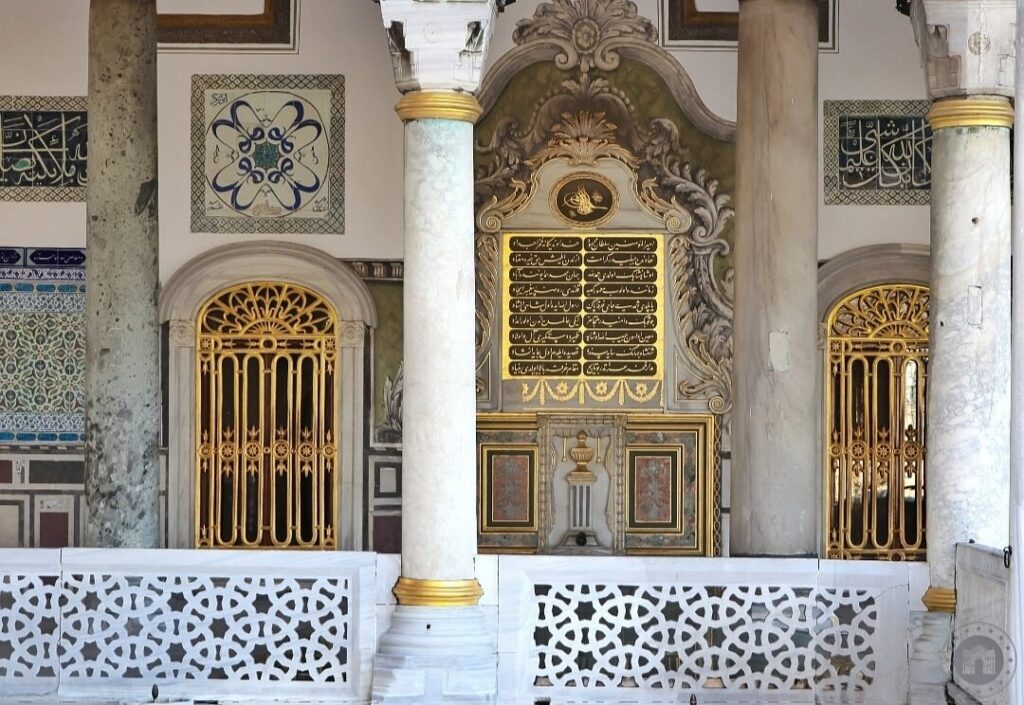
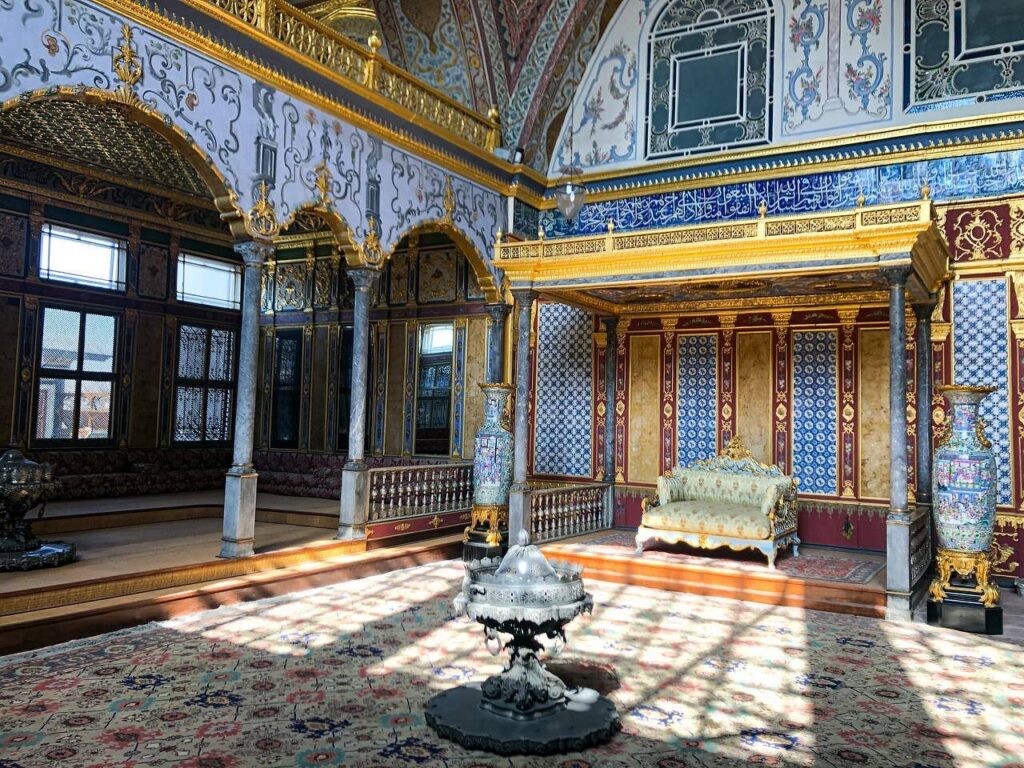
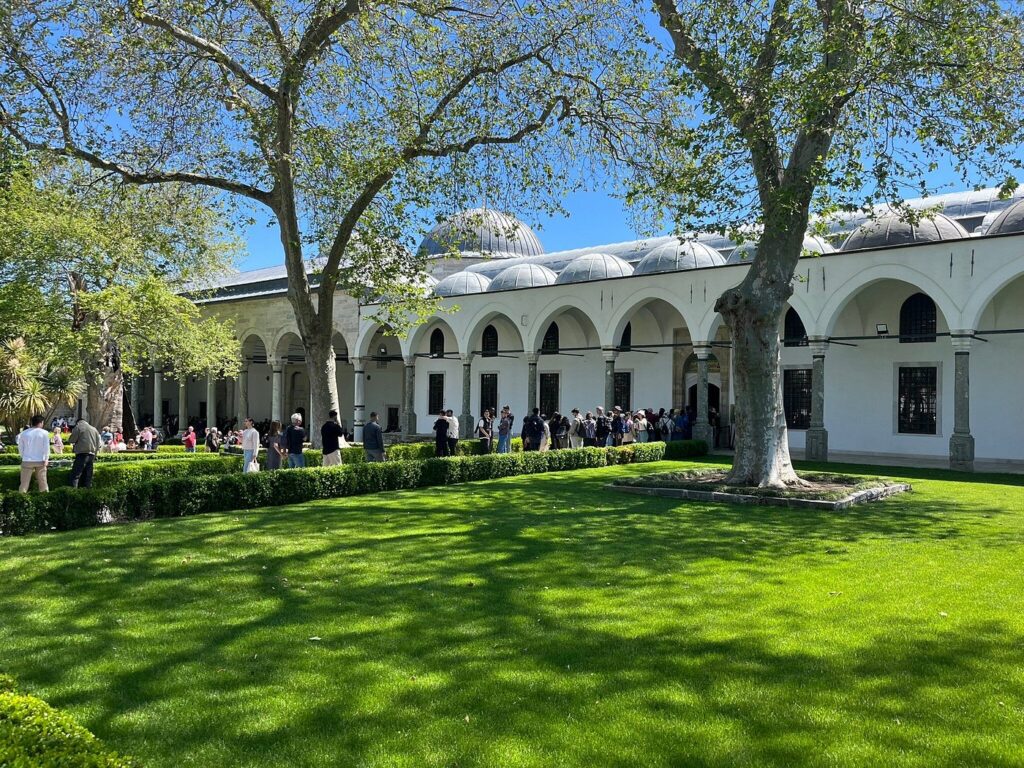
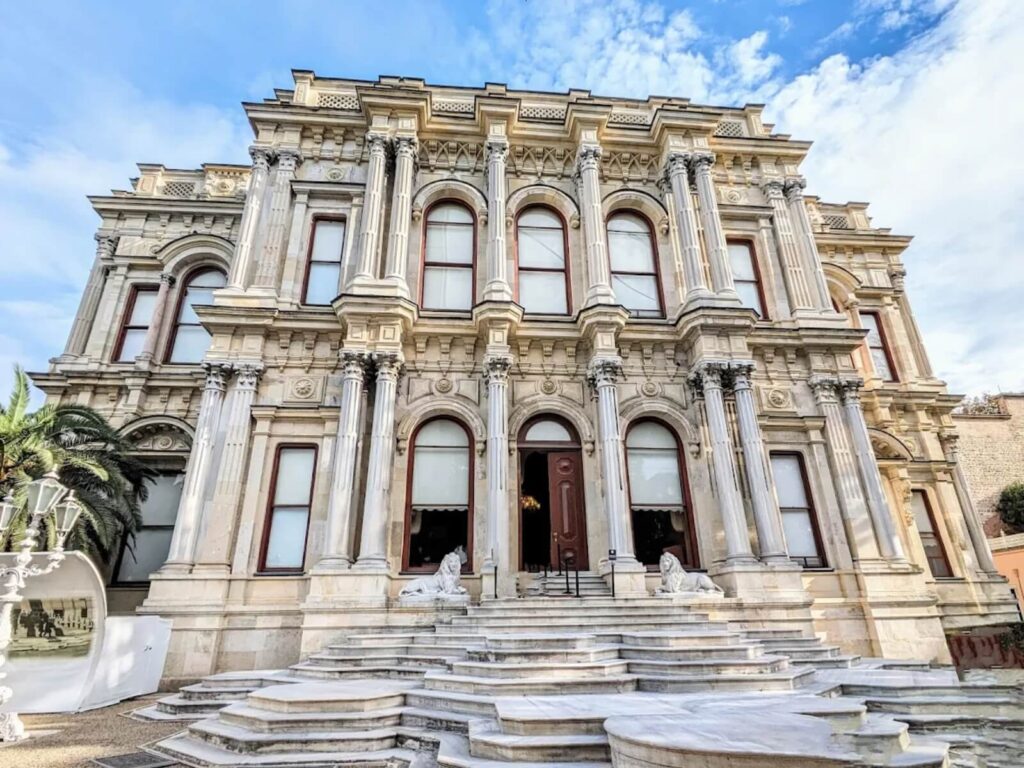
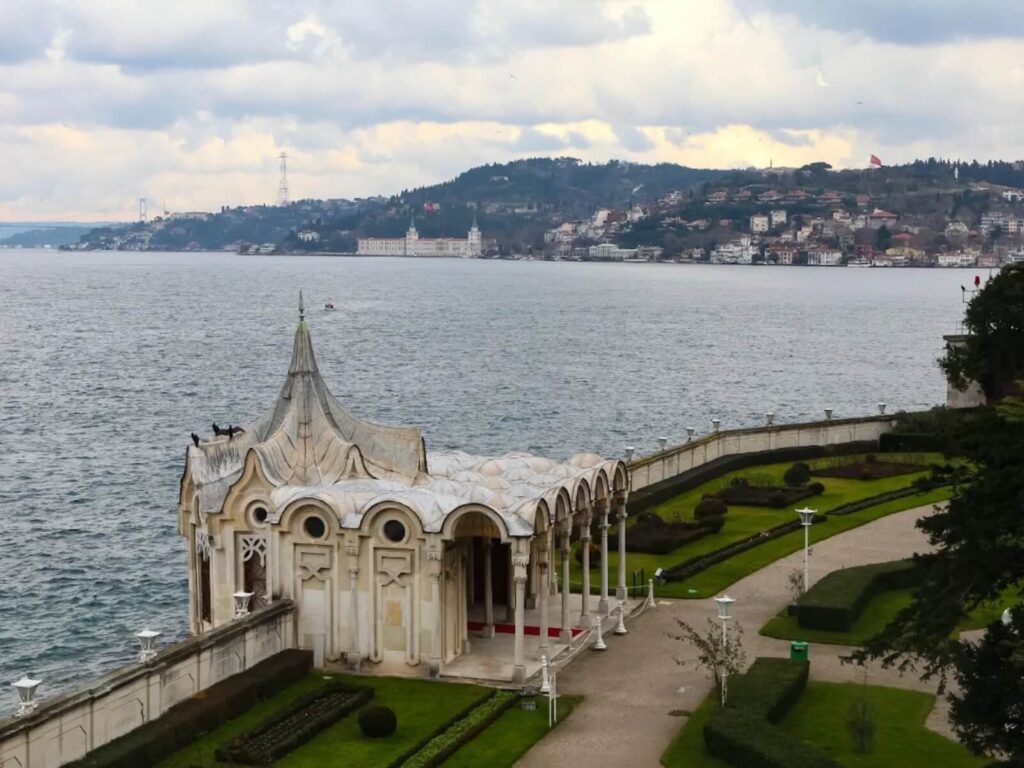
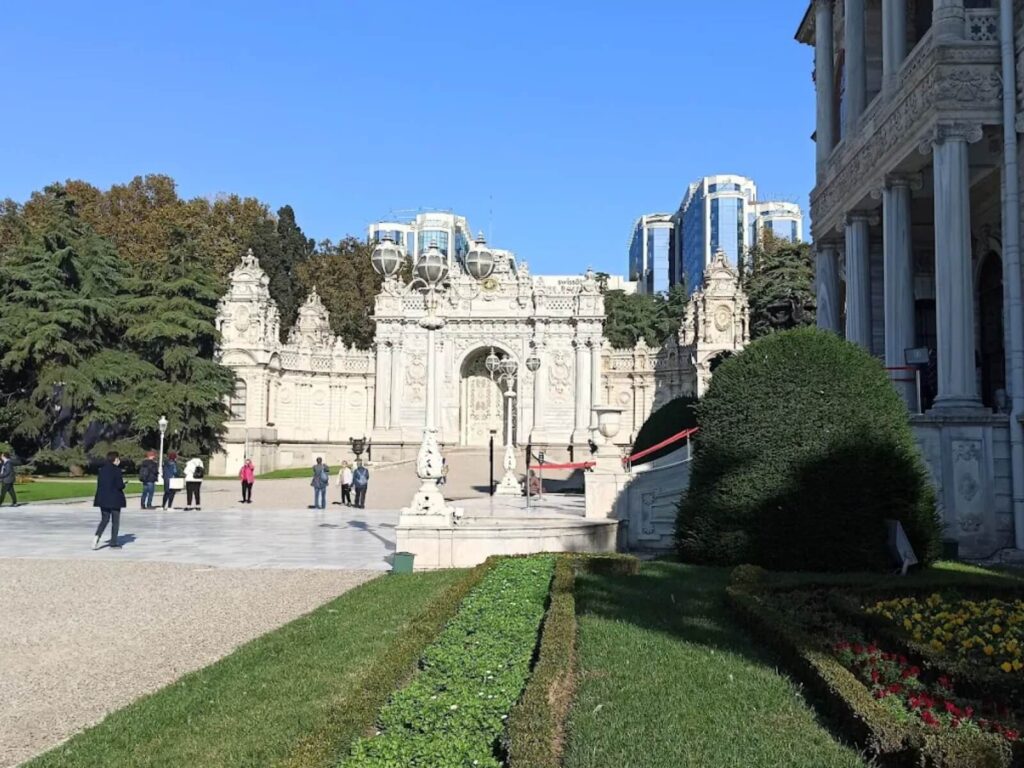
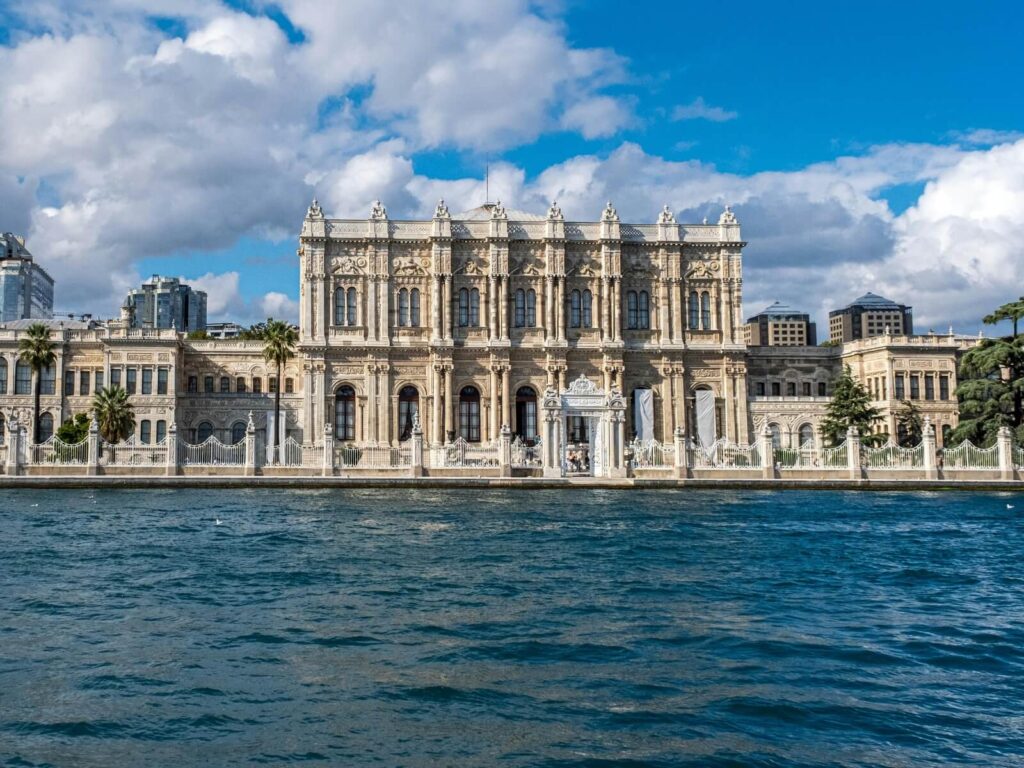
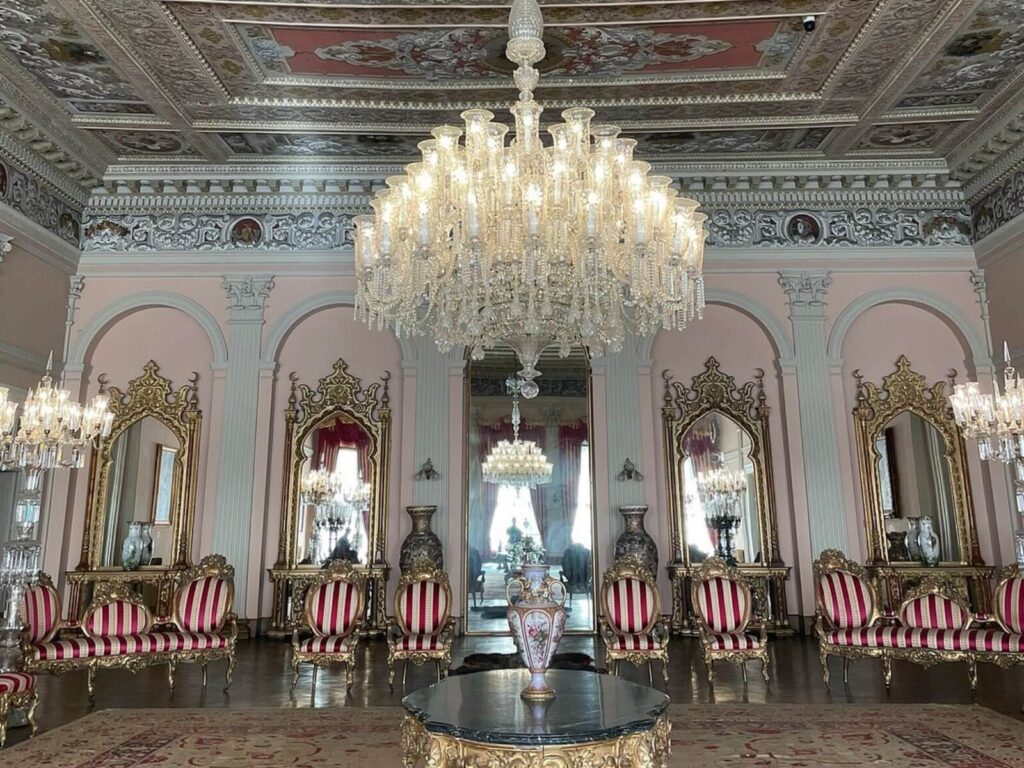
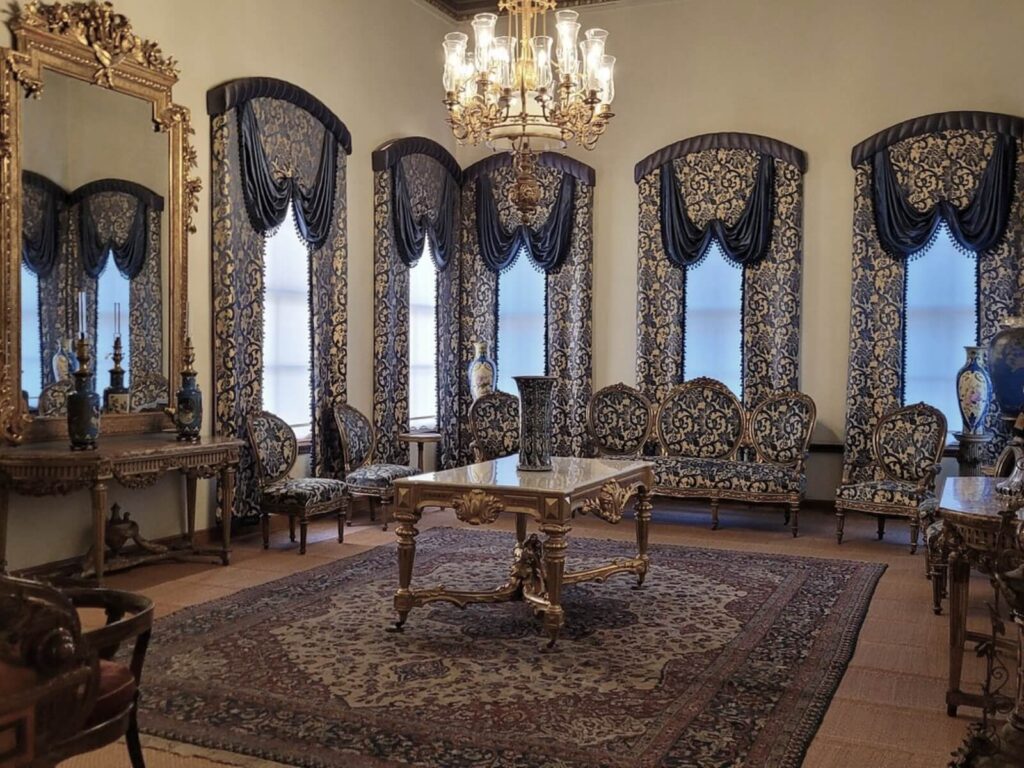
Istanbul is one of the world’s most historically layered cities, shaped by centuries of Byzantine, Ottoman, and modern Turkish influence. Across the city, travelers can explore monumental mosques, imperial palaces, historic towers, underground cisterns, grand bazaars, and architectural landmarks that reflect Istanbul’s unique position between Europe and Asia. Whether visiting for the first time or returning to explore deeper layers of the city, Istanbul offers historical and architectural attractions unlike anywhere else in the world.
Whether you are interested in Ottoman heritage, Byzantine history, contemporary art, photography, literature, or experimental exhibitions, Istanbul offers cultural attractions suited to both first-time visitors and returning travelers looking to explore deeper layers of the city.
Explore our complete attractions collection and discover places by district, attraction duration, atmosphere, and whether they are better suited for first-time visitors or returning travelers to find the right experiences for your trip.
Historical and architectural attractions are at the center of Istanbul’s identity. Few cities offer such a dense concentration of monuments, religious architecture, imperial buildings, and historic urban landscapes spanning multiple civilizations and empires.
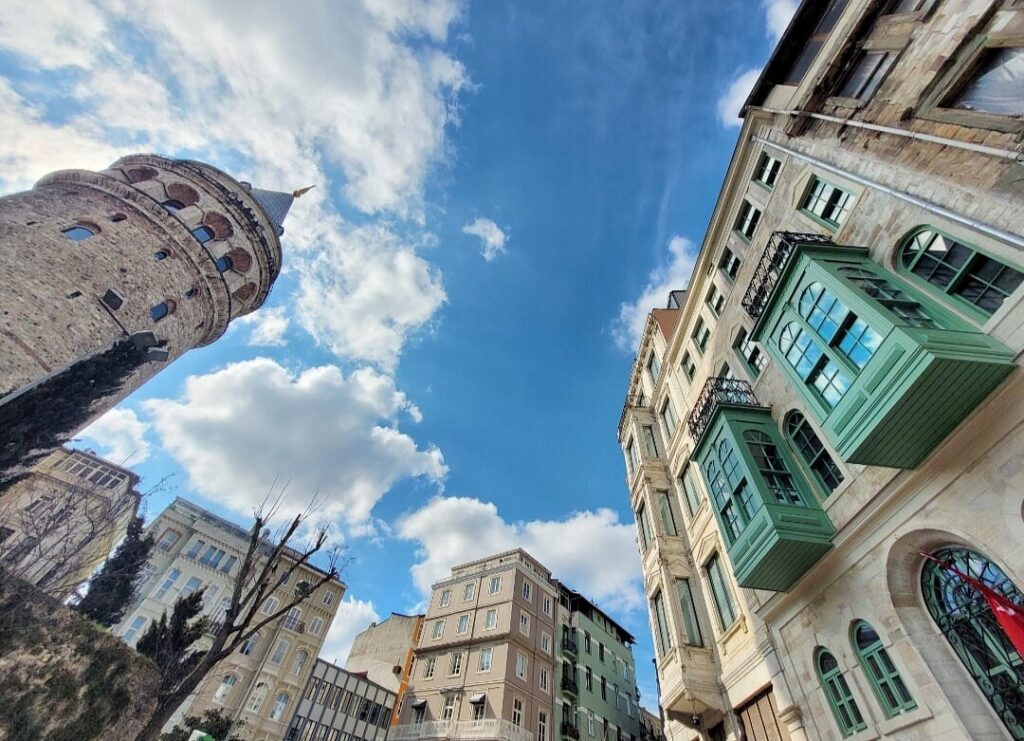
Across districts such as Fatih, Beyoğlu, Beşiktaş, and Üsküdar, visitors can experience landmarks shaped by Byzantine, Ottoman, European, and modern Turkish architectural traditions. From monumental mosques and palace complexes to defensive towers, historic streets, and waterfront mansions, Istanbul’s architecture reflects centuries of political, cultural, and religious transformation.
Many of the city’s most famous attractions are located within the Historic Peninsula, where sites such as former Byzantine churches, Ottoman imperial mosques, underground cisterns, bazaars, and palace courtyards remain central to Istanbul’s global image. At the same time, districts beyond the traditional tourist center also reveal important architectural layers, including nineteenth-century European influences, Art Nouveau buildings, modernist structures, and historic Bosphorus residences.
Architecture in Istanbul is closely tied to everyday life rather than isolated from it. Historic mosques continue to function as active places of worship, ferry terminals remain part of daily transportation, and centuries-old streets still shape how people move through the city today. This mixture of living history and contemporary urban life is one of the defining characteristics of Istanbul itself.
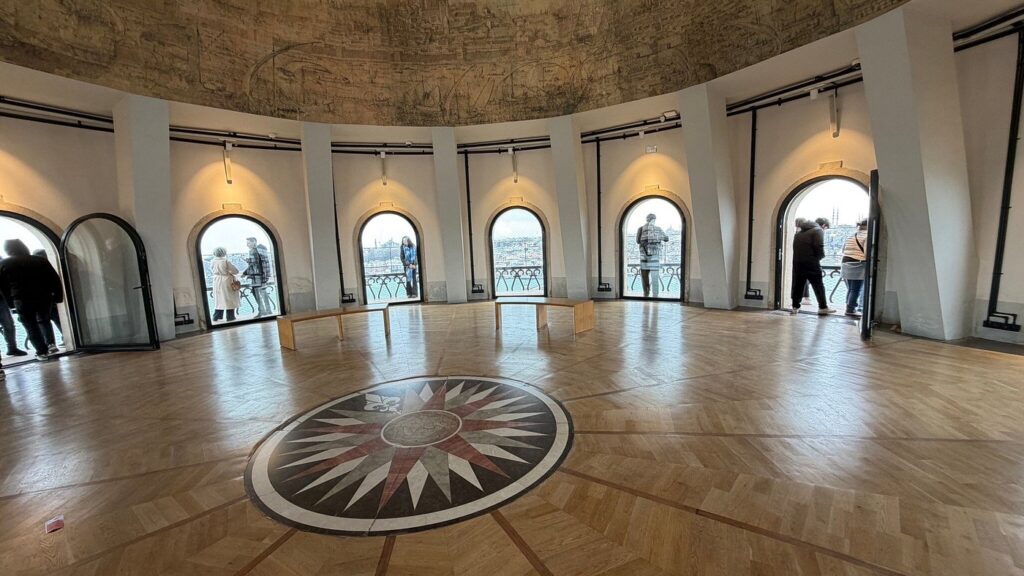
For travelers interested in history, photography, culture, urban design, or architecture, Istanbul offers endless opportunities to explore how different civilizations have shaped the city over time. Many attractions also provide panoramic viewpoints, waterfront settings, and immersive experiences that combine architecture with local atmosphere and daily life.