
Hidden Gem | Photogenic | Relaxed
1–2 hours
Paid
Beyoğlu
Couples | Culture Lovers | Returning Visitors | Solo Travelers
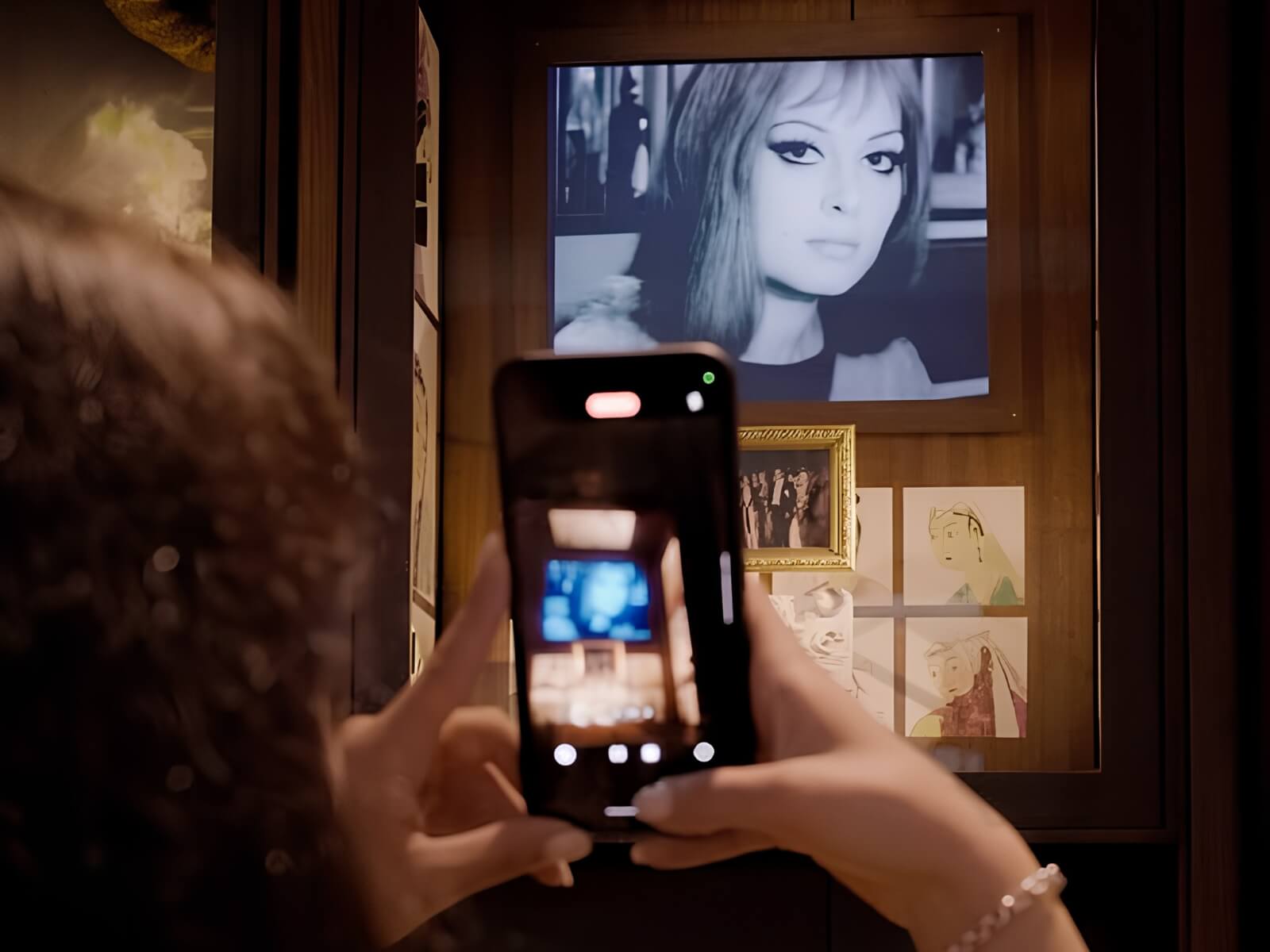
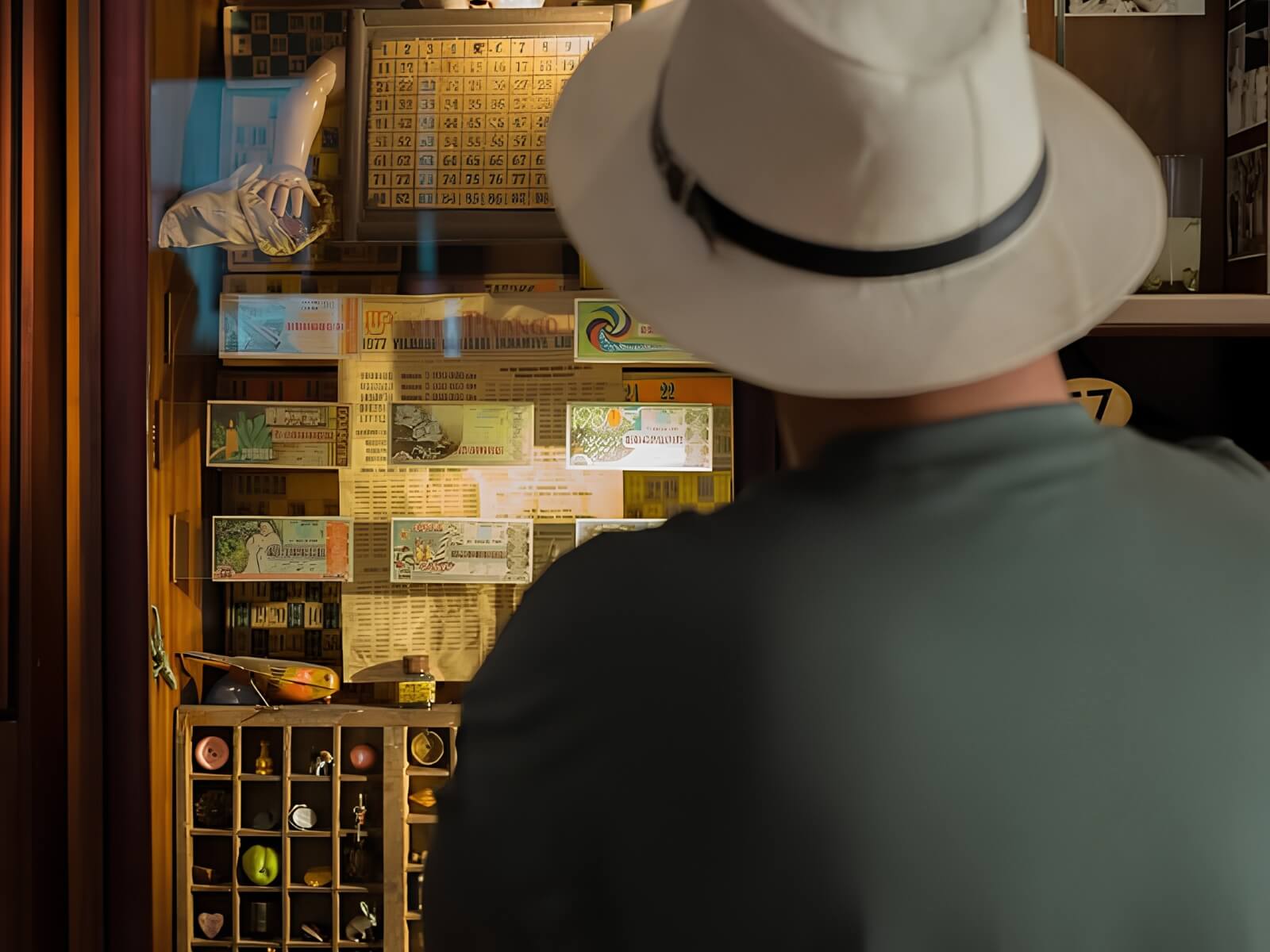
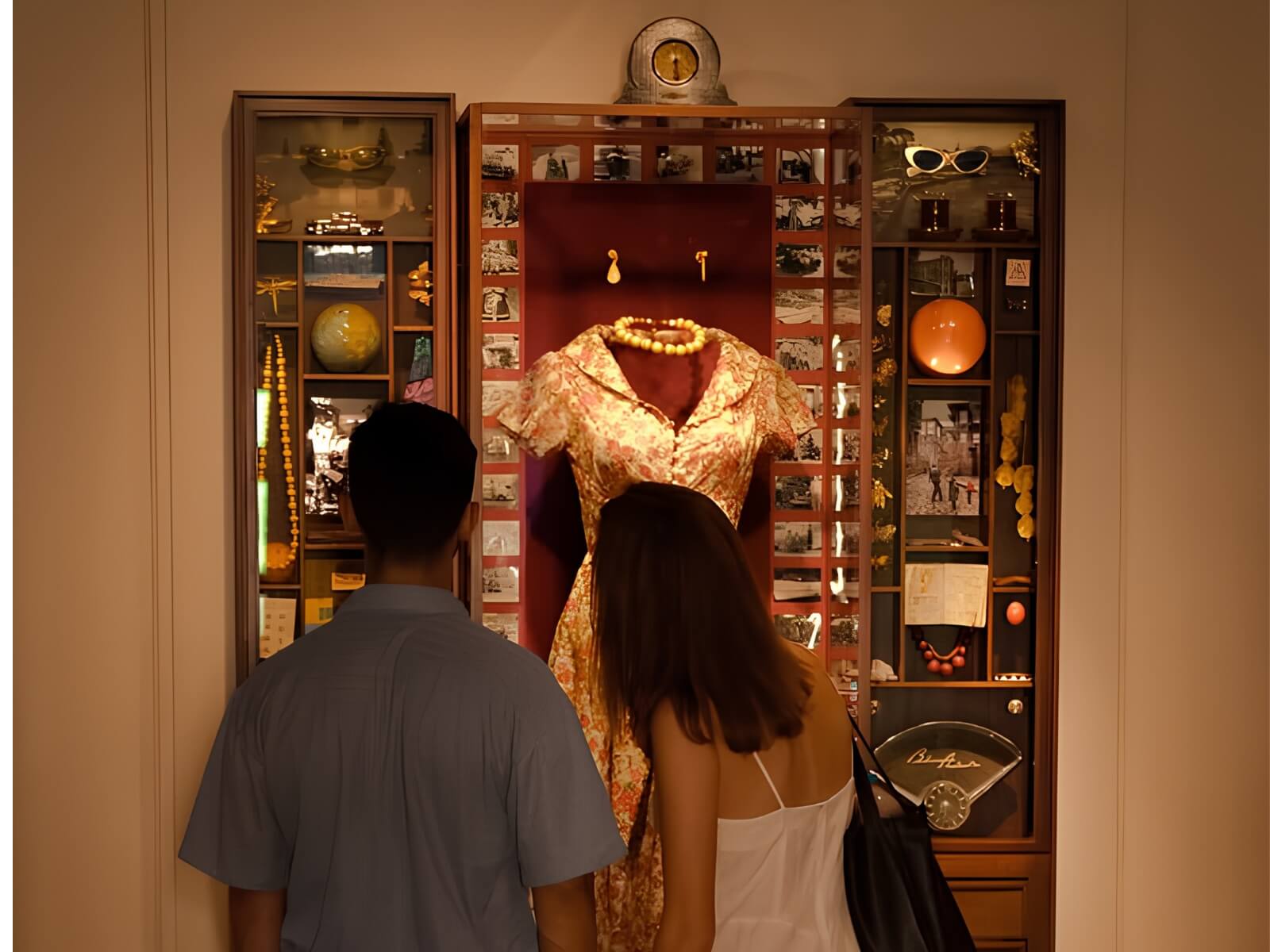
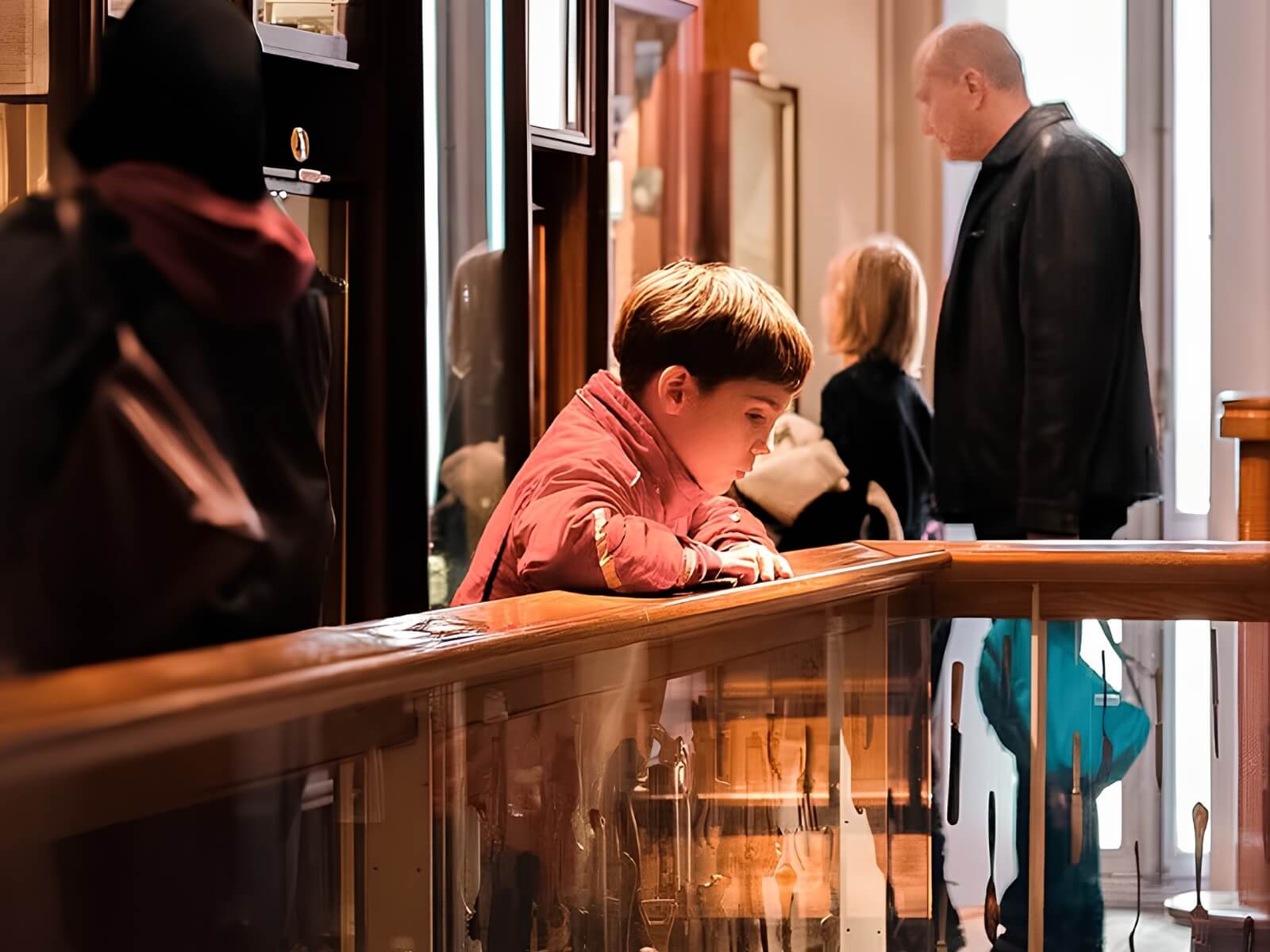
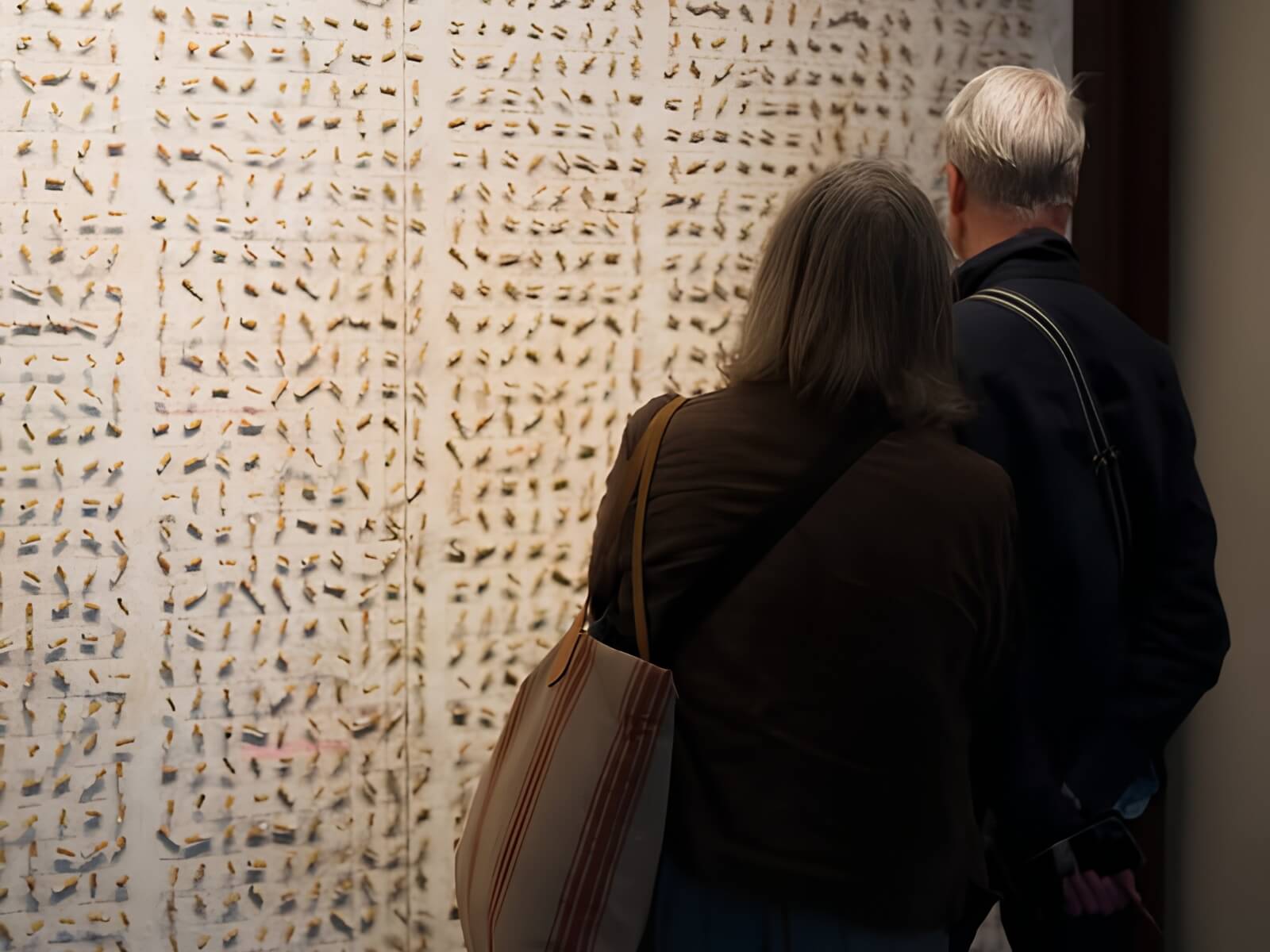
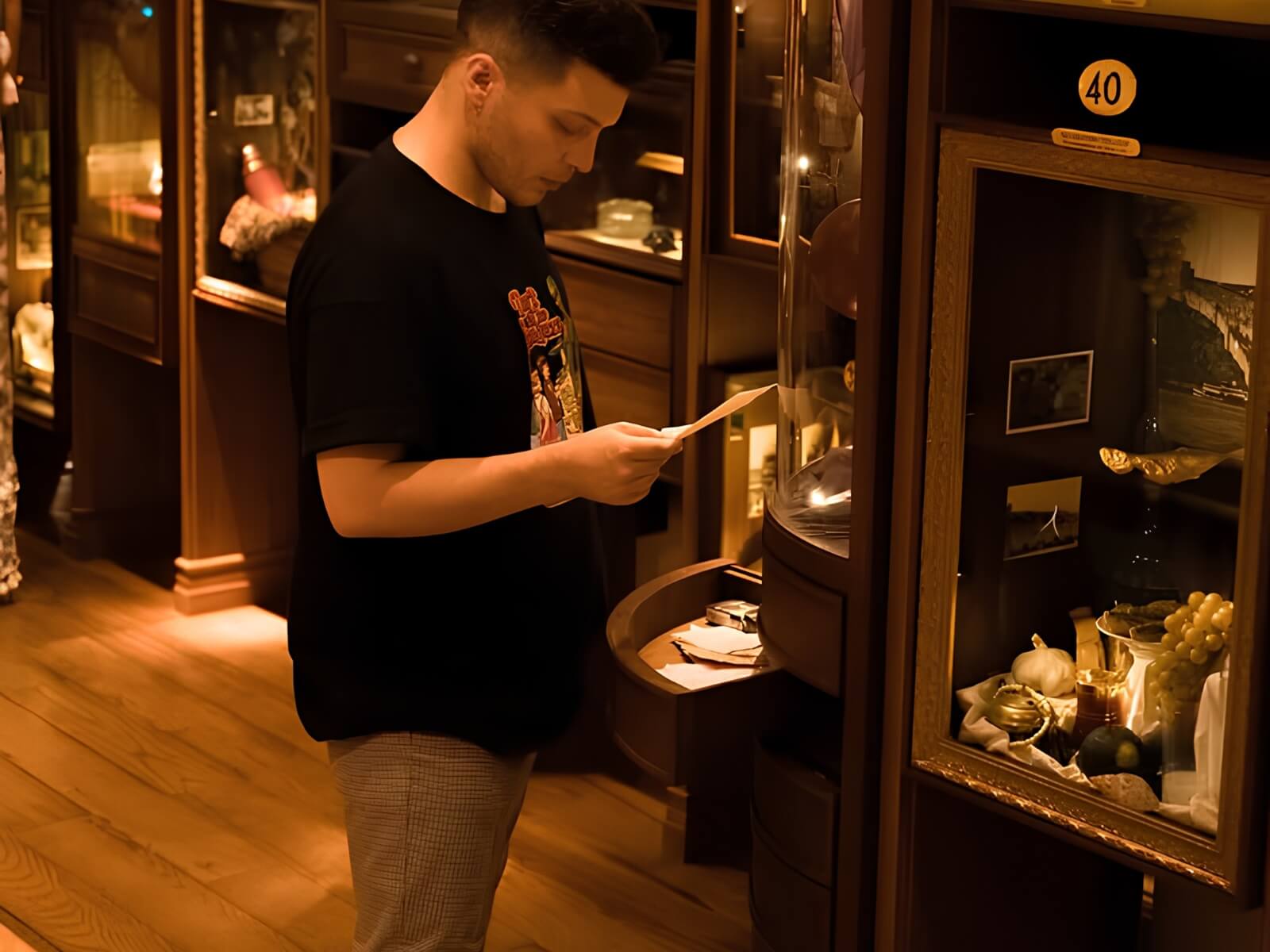
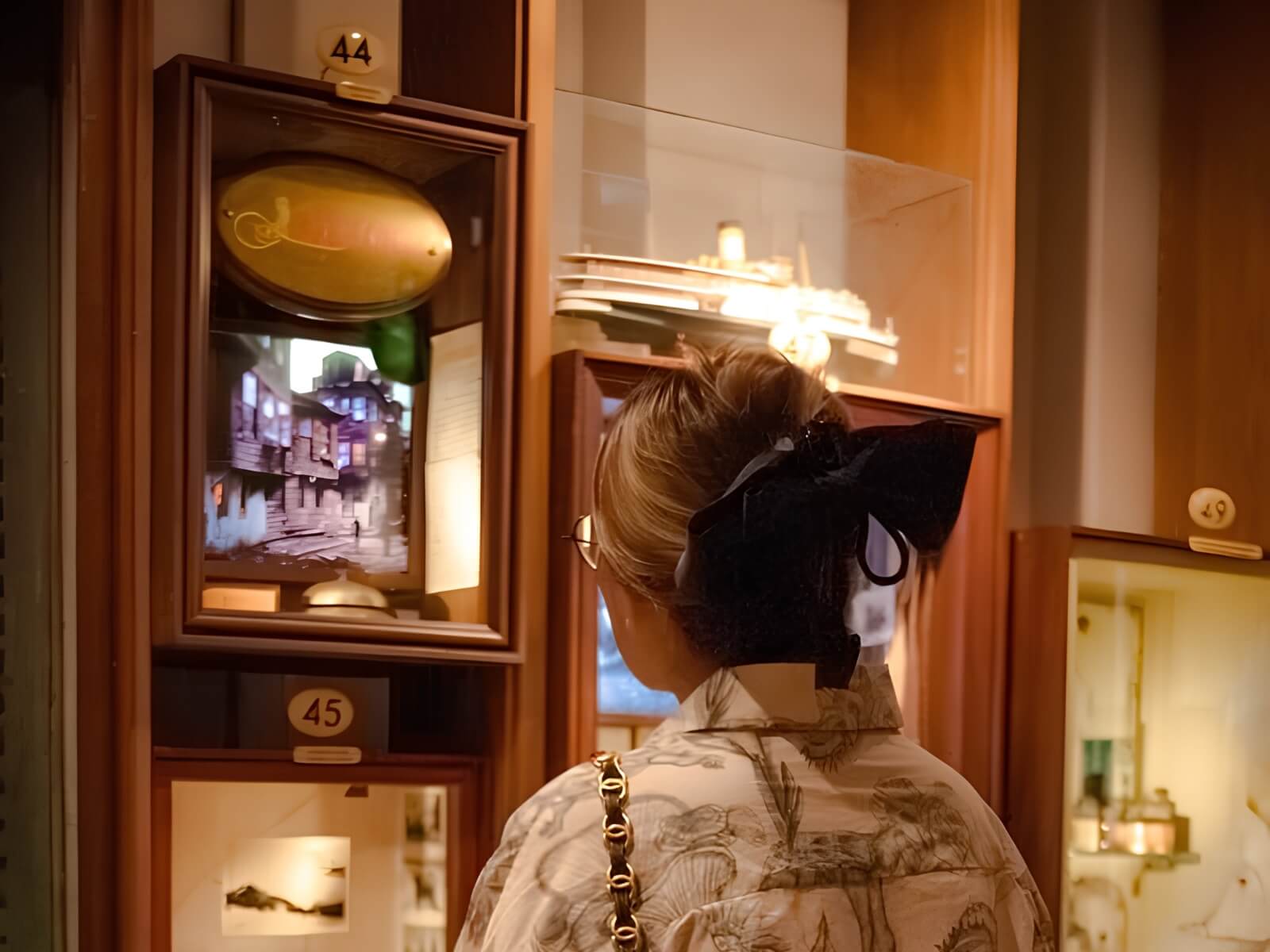
The Museum of Innocence feels unusually intimate from the moment visitors enter. Small rooms filled with carefully arranged everyday objects — cigarette stubs, photographs, earrings, kitchen utensils, clocks, tram tickets, perfume bottles, and handwritten notes — slowly build the emotional world of Pamuk’s novel through detail rather than spectacle.
Unlike large historical museums centered on monumental artifacts, this space focuses on ordinary objects tied to memory and emotion. The museum recreates the atmosphere of Istanbul across different decades through textures, routines, apartment interiors, and personal belongings that feel deeply connected to the city’s middle-class urban life.
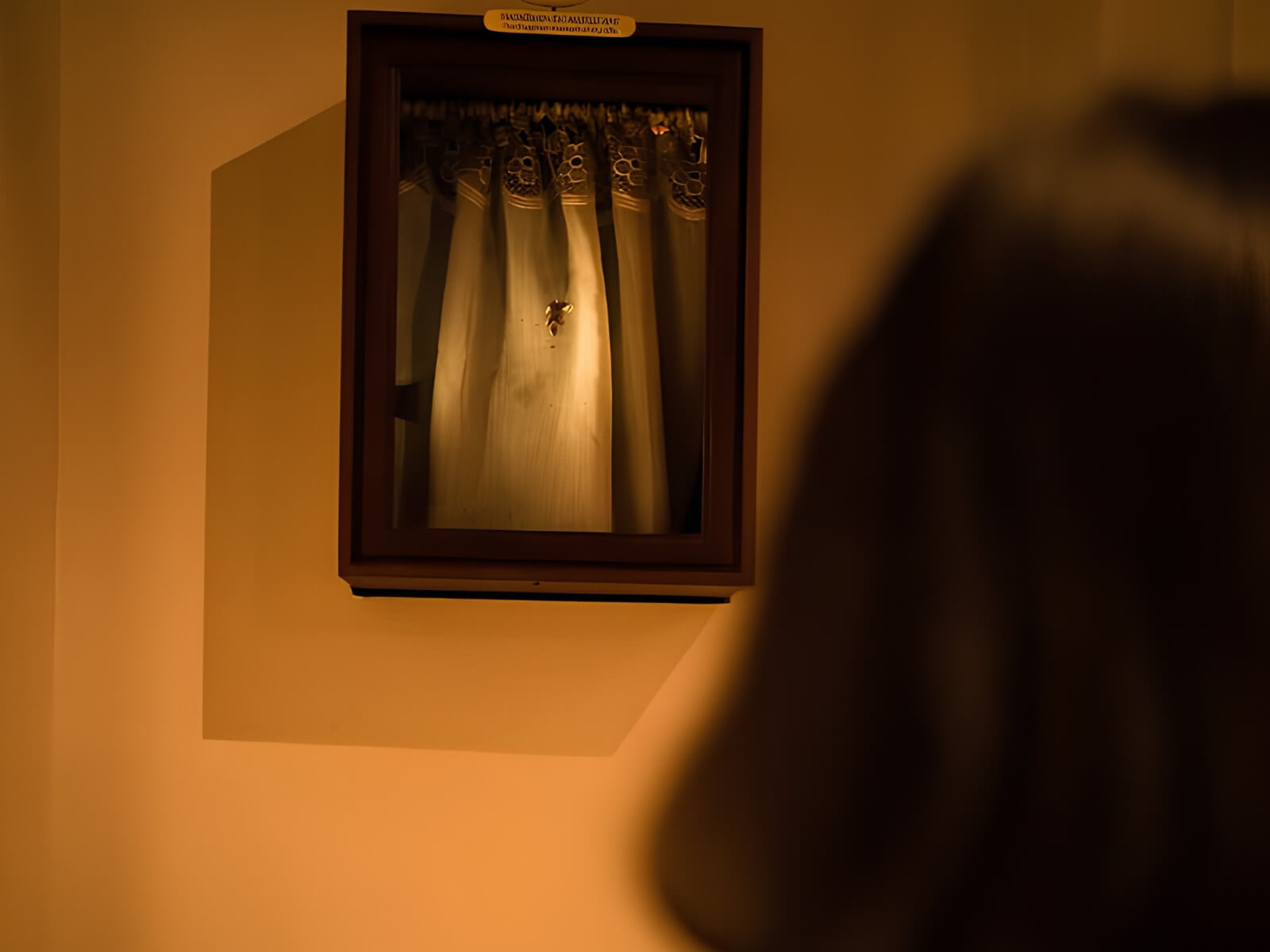
Walking through the exhibition often feels less like reading a historical timeline and more like moving through fragments of somebody’s private memory. Lighting remains soft and cinematic, old apartment rooms preserve a lived-in atmosphere, and the narrow staircases create a strong sense of intimacy throughout the building.
Even visitors unfamiliar with the novel often become absorbed by the mood of the museum itself. The experience captures themes many people associate with Istanbul — nostalgia, longing, urban transformation, melancholy, romance, and the emotional relationship between people and the objects surrounding them.
The museum’s scale also contributes to its atmosphere. Rather than overwhelming visitors with endless galleries, the space encourages slow observation and emotional interpretation.
Located in the Çukurcuma area of Beyoğlu, the museum sits inside one of the city’s most atmospheric historic neighborhoods. The surrounding streets are filled with antique stores, independent cafés, old apartment buildings, art spaces, vintage shops, and small restaurants that give the district a slower and more nostalgic rhythm compared to nearby İstiklal Avenue.
Many international visitors discover the story through the Netflix adaptation connected to Orhan Pamuk’s novel and arrive expecting a highly cinematic or romanticized experience. The museum itself, however, feels quieter, more intimate, and emotionally detailed than a typical film-inspired attraction. Rather than recreating dramatic scenes directly, the space focuses on memory, objects, atmosphere, and the emotional texture of Istanbul life across different decades.
Visitors familiar with the series or the novel will recognize references throughout the exhibition — personal belongings, photographs, cigarettes, letters, and symbolic objects tied to the relationship at the center of the story. But even without knowing the full narrative, the museum still works because the atmosphere feels universally human and deeply connected to old Beyoğlu culture.
Many people spend time wandering through Çukurcuma before or after visiting because the neighborhood itself mirrors the emotional tone of the museum. Narrow streets, antique stores, aging facades, and quiet cafés create an environment that feels suspended somewhere between nostalgia and contemporary Istanbul life.
The museum works especially well during quieter afternoons when the district feels calm and residential. Rainy days and winter evenings often intensify the atmosphere even further, making the experience feel almost cinematic for visitors already emotionally connected to the story.