
H&M in Istanbul: Global Fast Fashion Brand Built on Accessibility and Trend-Driven Design
H&M is a Swedish fashion retailer founded in 1947 by Erling Persson in Västerås, originally under the name “Hennes,” meaning “hers.” The first store focused exclusively on women’s clothing, with the idea of making fashionable garments available at accessible prices. In 1968, the company expanded into menswear after acquiring the retailer Mauritz Widforss, leading to the name Hennes & Mauritz. Over the decades, H&M evolved into one of the world’s largest fashion companies, operating thousands of stores across global markets and building a business model centered on fast-changing collections and wide accessibility.
Price Level and Positioning
Positioned in the accessible segment, H&M in Istanbul focuses on offering trend-driven fashion at relatively low price points. The brand sits below premium labels such as Zara and clearly outside the luxury segment. In Istanbul, it appeals to a broad audience looking for affordable clothing that reflects current trends, making it one of the most widely accessible international fashion brands in the city.
Collections and Product Focus
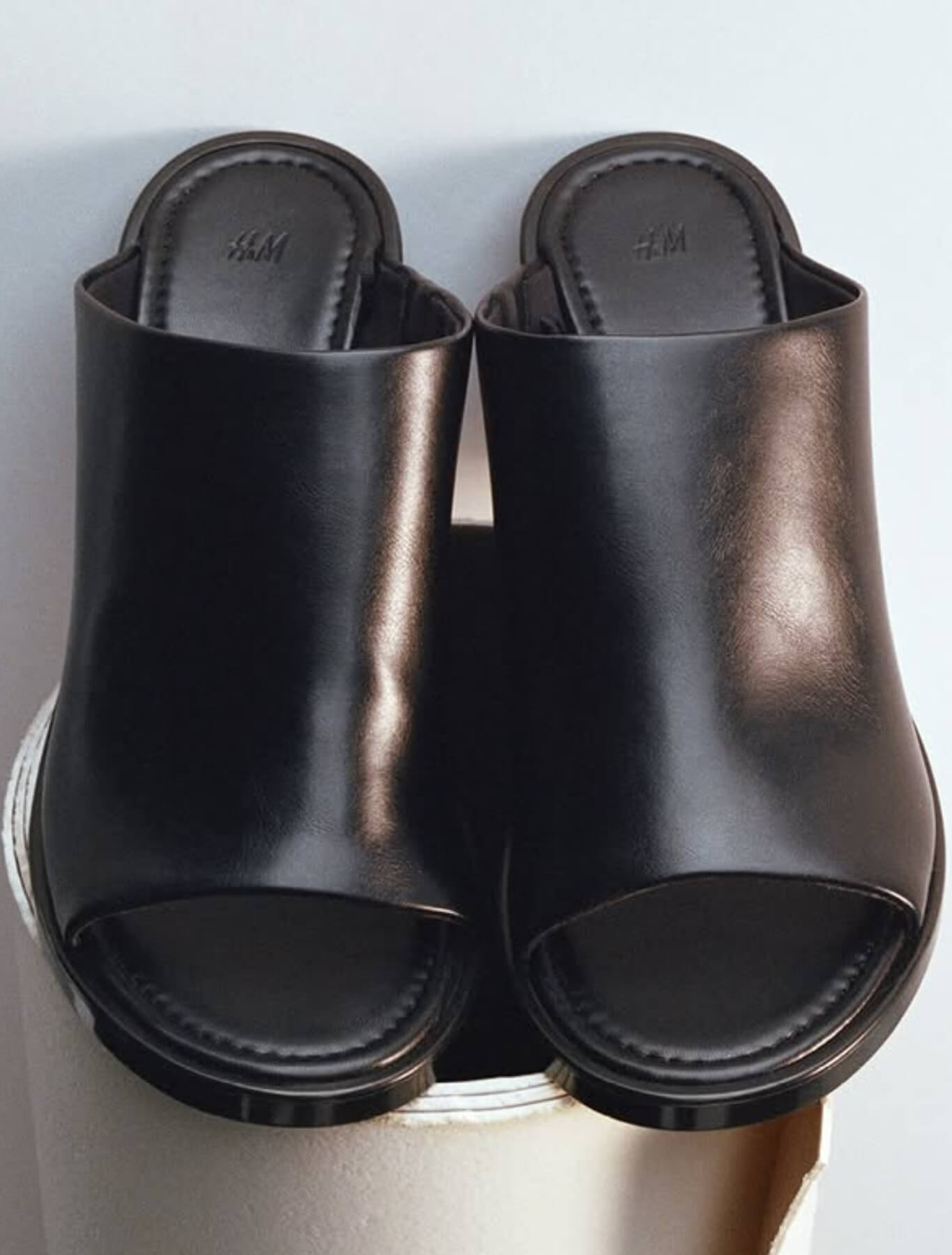
H&M in Istanbul offers a comprehensive product range for women, men, teenagers, and children. The assortment includes everyday basics, seasonal fashion pieces, sportswear, and accessories. In addition, the brand has expanded into home products through H&M Home, creating a broader lifestyle offering. Collections are updated frequently, reflecting the brand’s fast fashion model and its focus on keeping pace with global trends.
Product Range and Business Model
A defining characteristic of H&M is its fast fashion approach. The brand produces new collections regularly, allowing it to respond quickly to changing consumer preferences. This model is supported by in-house design teams and global sourcing, enabling a balance between trend relevance and cost efficiency. The concept is built around high turnover, wide variety, and continuous product updates.
H&M in Istanbul – Style and Identity
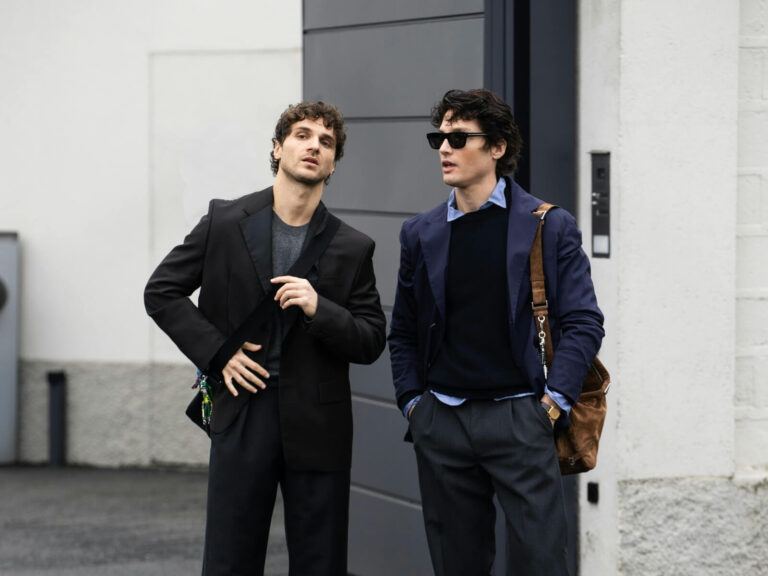
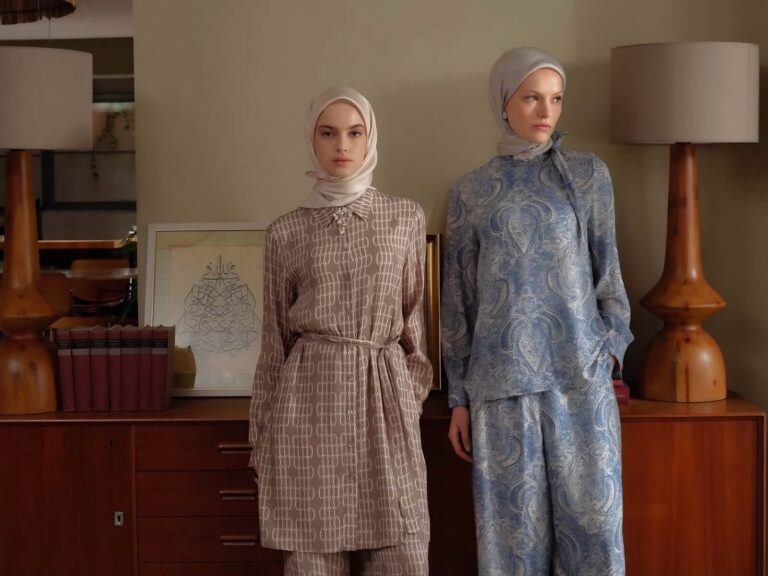
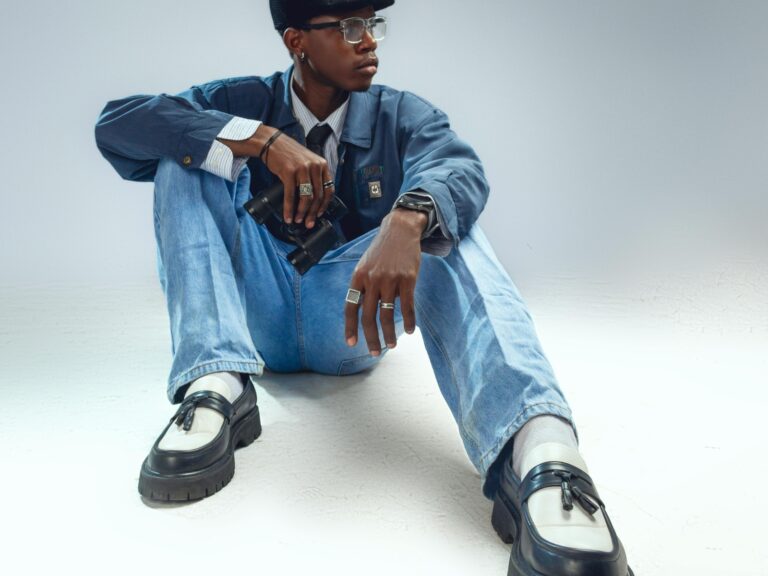
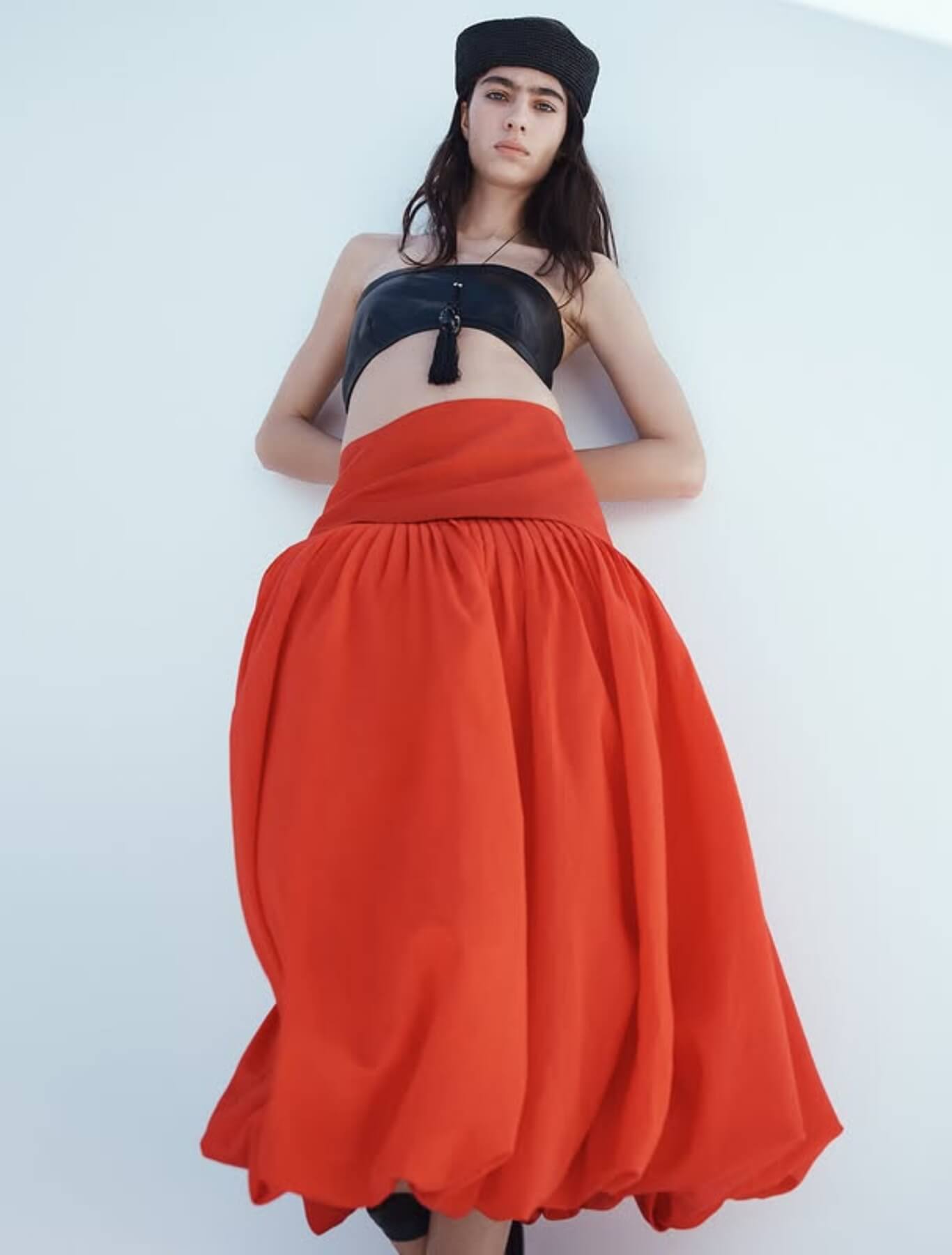
H&M’s design language is trend-focused and versatile, covering a wide range of styles from minimal basics to more fashion-forward pieces. The aesthetic changes seasonally, reflecting current global fashion influences. Collaborations with designers and celebrities have also played a role in shaping its identity, bringing elements of high fashion into a more accessible context.
Customer Experience and Retail Presence
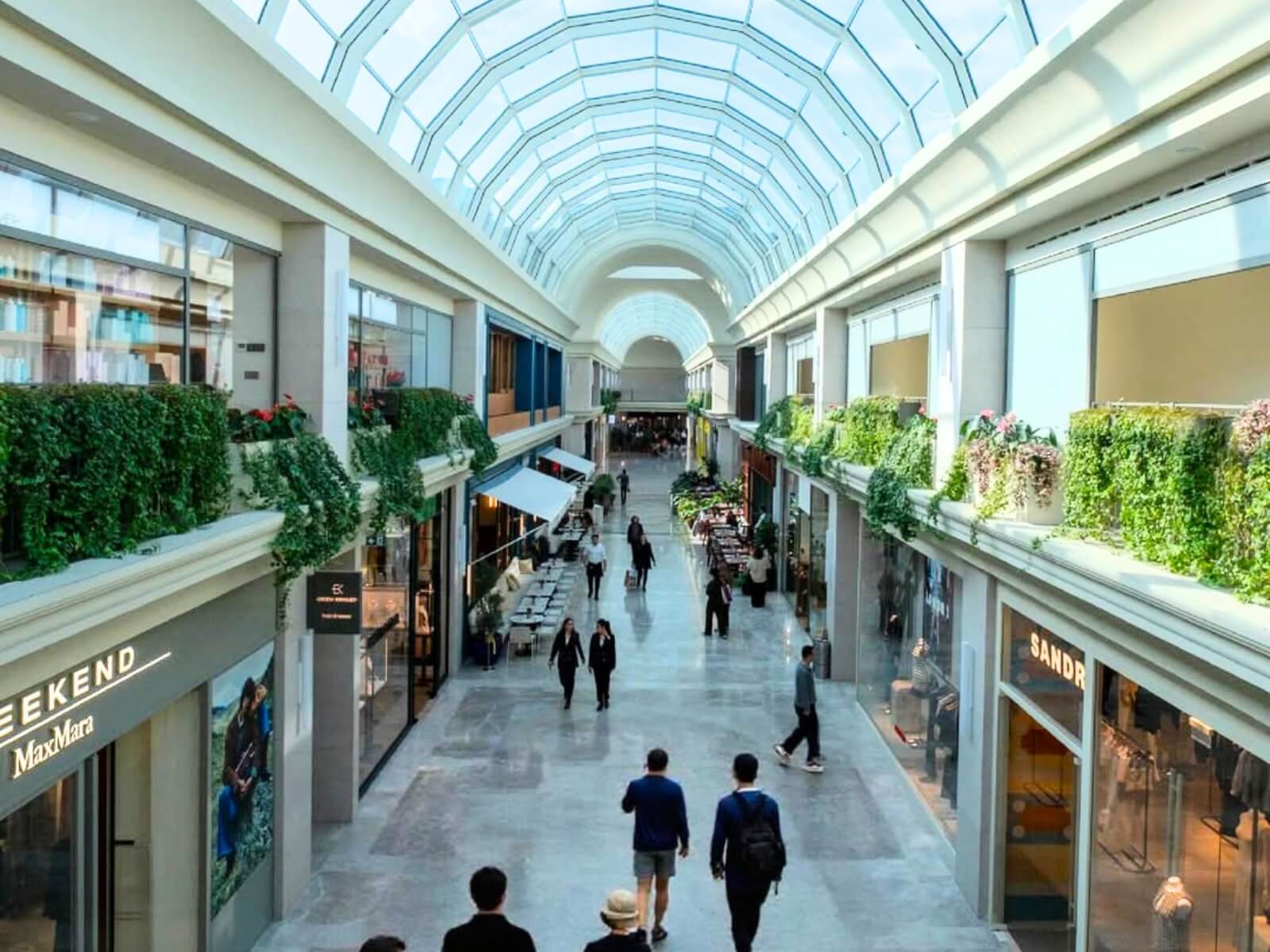
The retail concept emphasizes accessibility and product variety. Stores are typically large and organized by category, allowing customers to navigate between different collections easily. With locations in major shopping malls and central retail areas, H&M is widely accessible throughout Istanbul. Its omnichannel approach combines physical stores with a strong online presence.
Role in Istanbul’s Shopping Scene
In Istanbul, H&M plays a key role in the accessible fashion segment, offering a global perspective on fast-moving trends at affordable prices. Its strong brand recognition and extensive retail network make it a consistent destination for everyday fashion. The brand contributes to the city’s diverse retail landscape by bridging international fashion trends with mass-market accessibility.
Final Thoughts: H&M in Istanbul
H&M in Istanbul represents a global fast fashion model built on accessibility, variety, and rapid product turnover. With its broad assortment and trend-driven approach, it provides a practical and widely available option for everyday clothing within the accessible segment. To discover more brands across the city’s everyday fashion landscape, see our overview of fashion shopping in Istanbul: modern brands for daily style.