


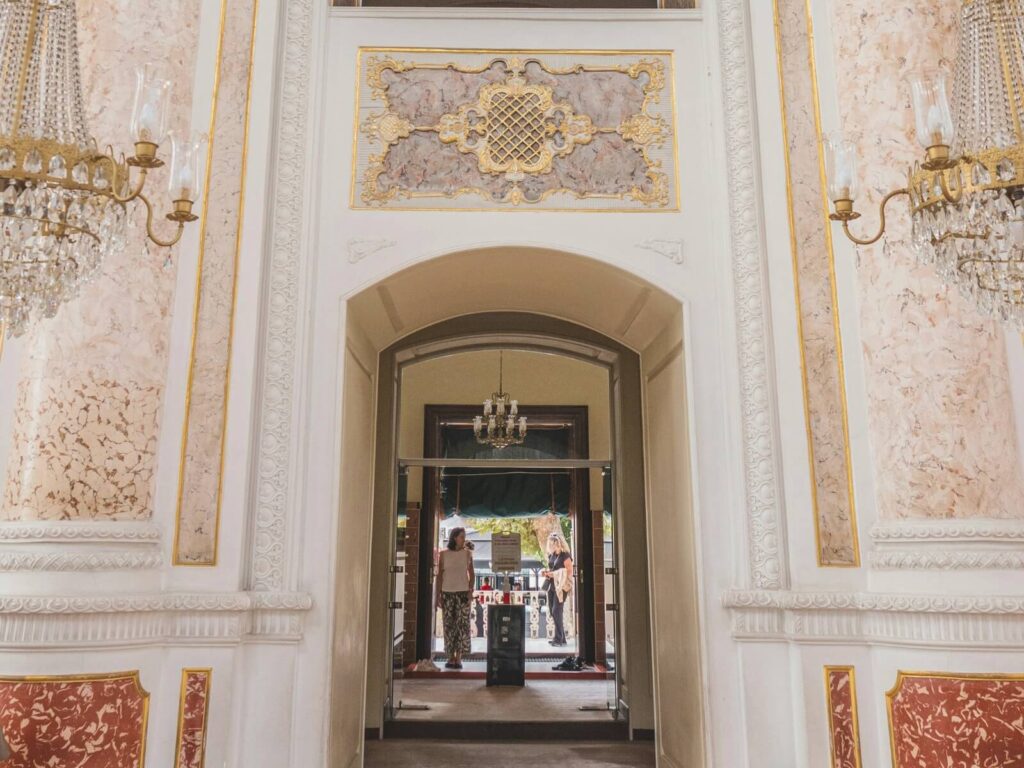
Religion has shaped Istanbul’s identity for centuries, leaving behind a city filled with monumental mosques, Byzantine churches, synagogues, tombs, and sacred landmarks. As the former capital of both the Byzantine and Ottoman Empires, Istanbul reflects layers of Islamic, Christian, and Jewish history across nearly every district. Whether visiting iconic mosques or quieter historic places of worship, religious attractions offer some of the city’s most powerful architectural and cultural experiences.
Whether you are interested in Ottoman heritage, Byzantine history, contemporary art, photography, literature, or experimental exhibitions, Istanbul offers cultural attractions suited to both first-time visitors and returning travelers looking to explore deeper layers of the city.
Explore our complete attractions collection and discover places by district, attraction duration, atmosphere, and whether they are better suited for first-time visitors or returning travelers to find the right experiences for your trip.
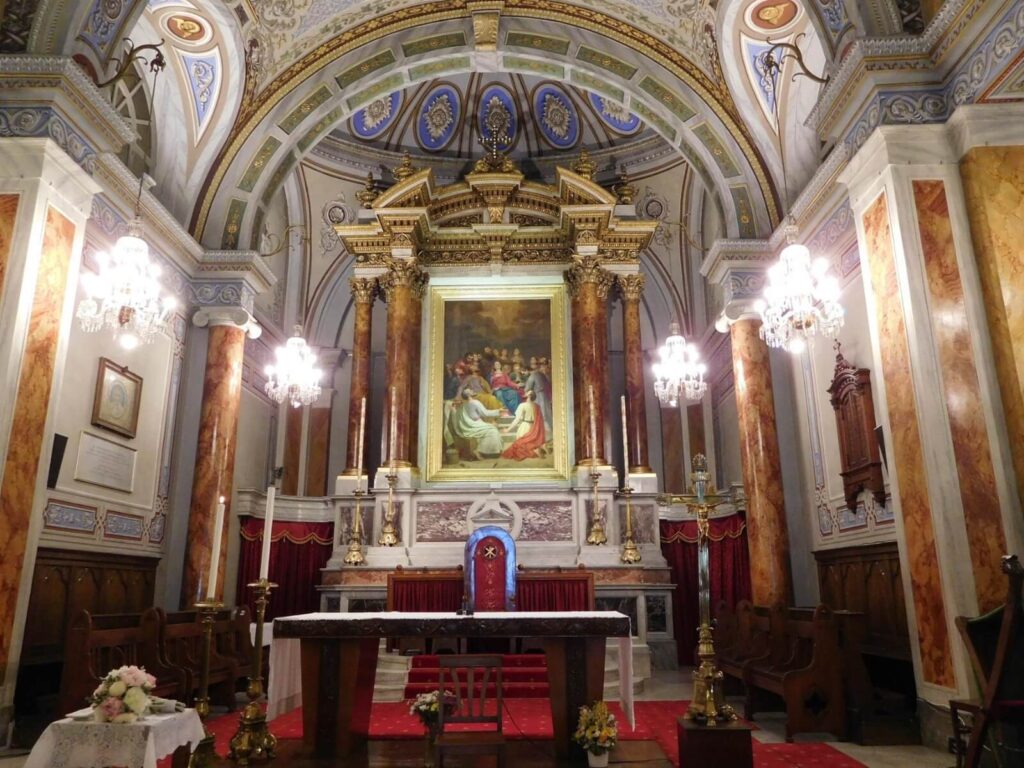
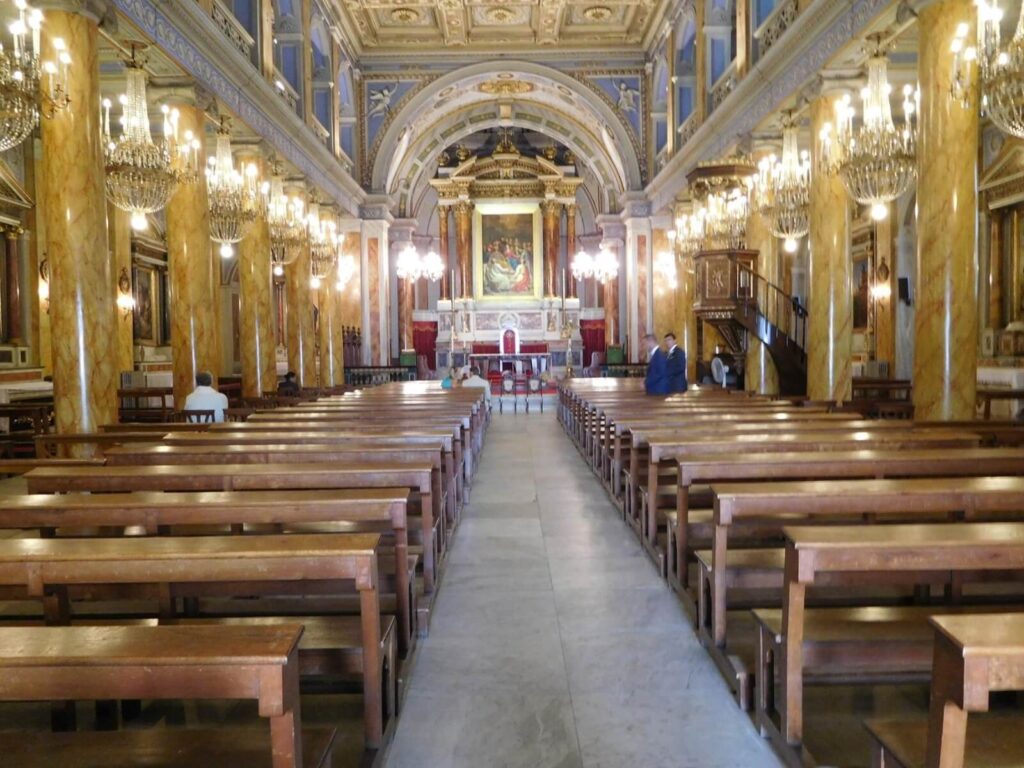
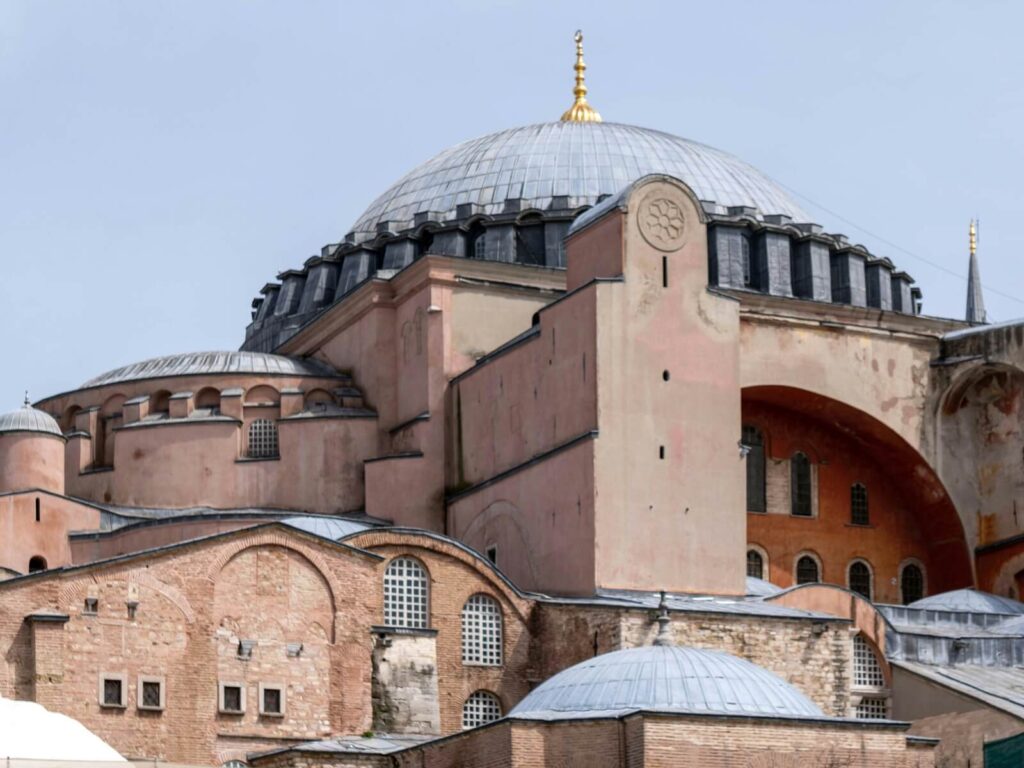
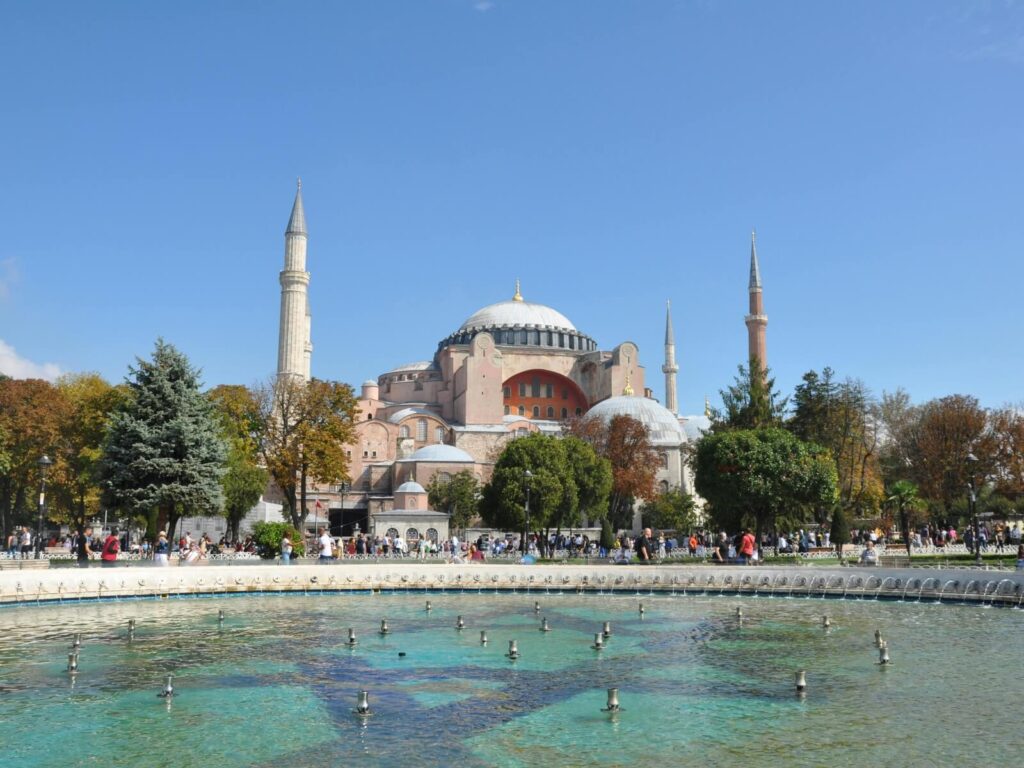
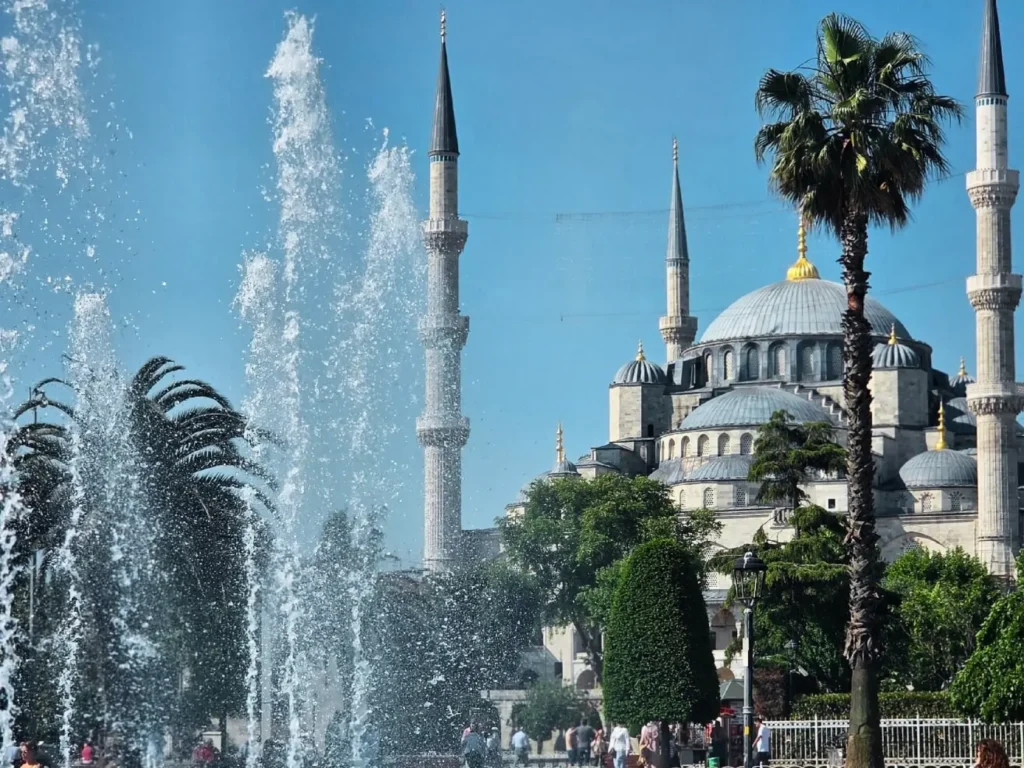
Mosques, churches, and religious attractions are among Istanbul’s most historically significant and visually striking landmarks. Across the city, monumental Ottoman mosques, Byzantine churches, synagogues, shrines, and sacred complexes reflect centuries of religious, political, and cultural transformation shaped by different empires and communities.
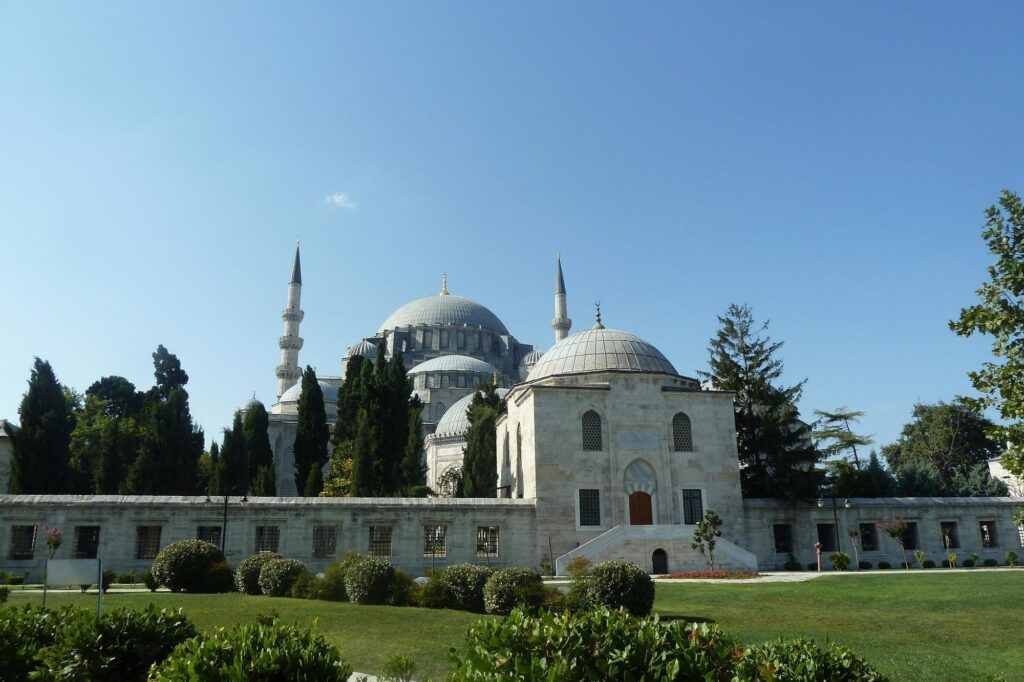
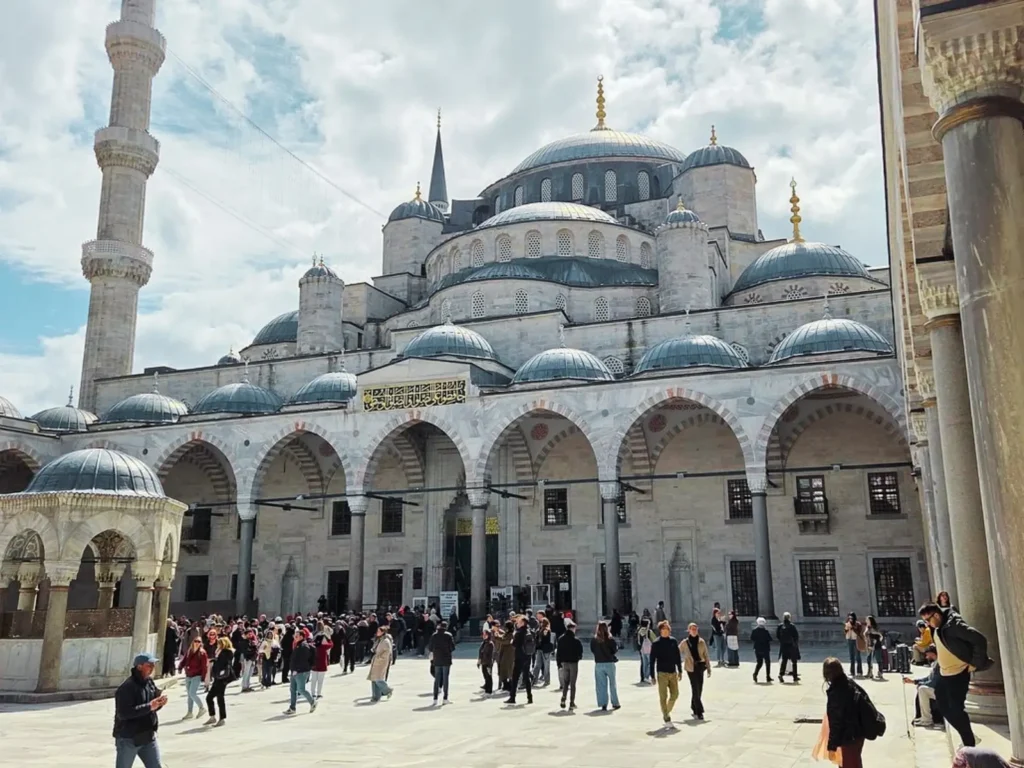
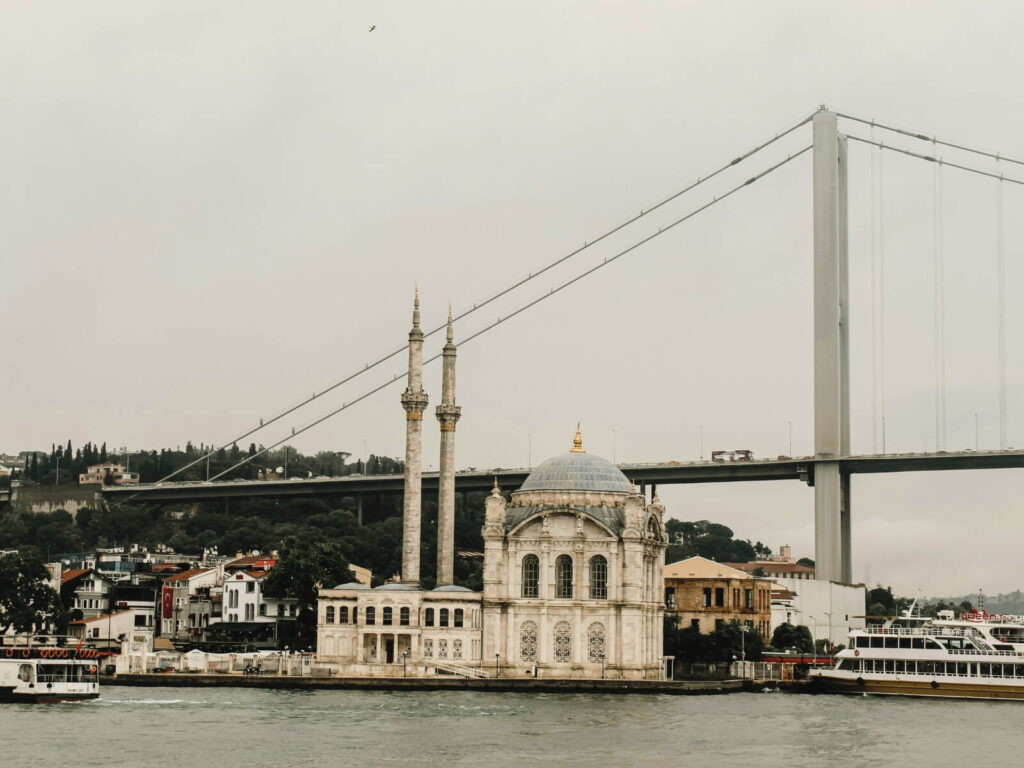
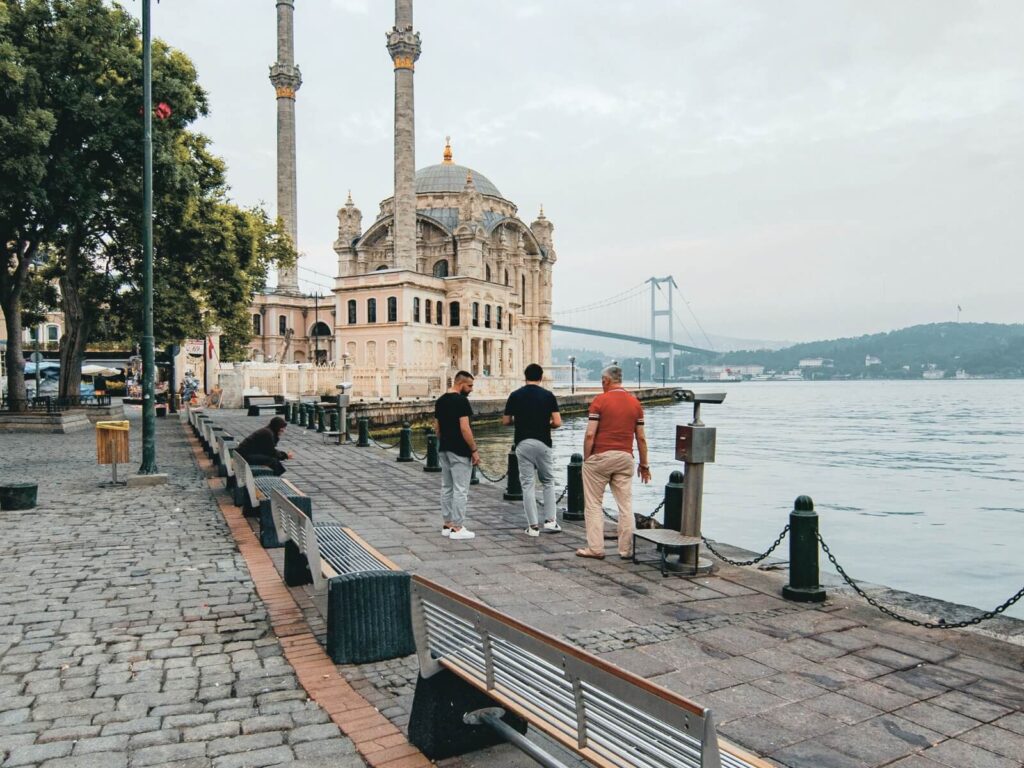
Many of Istanbul’s most visited religious attractions are located in districts such as Fatih, Beyoğlu, Üsküdar, and along the Bosphorus. Visitors can explore grand imperial mosques with vast courtyards and domes, former Byzantine churches transformed over centuries, historic synagogues hidden within older districts, and smaller sacred sites that continue to serve local communities today.
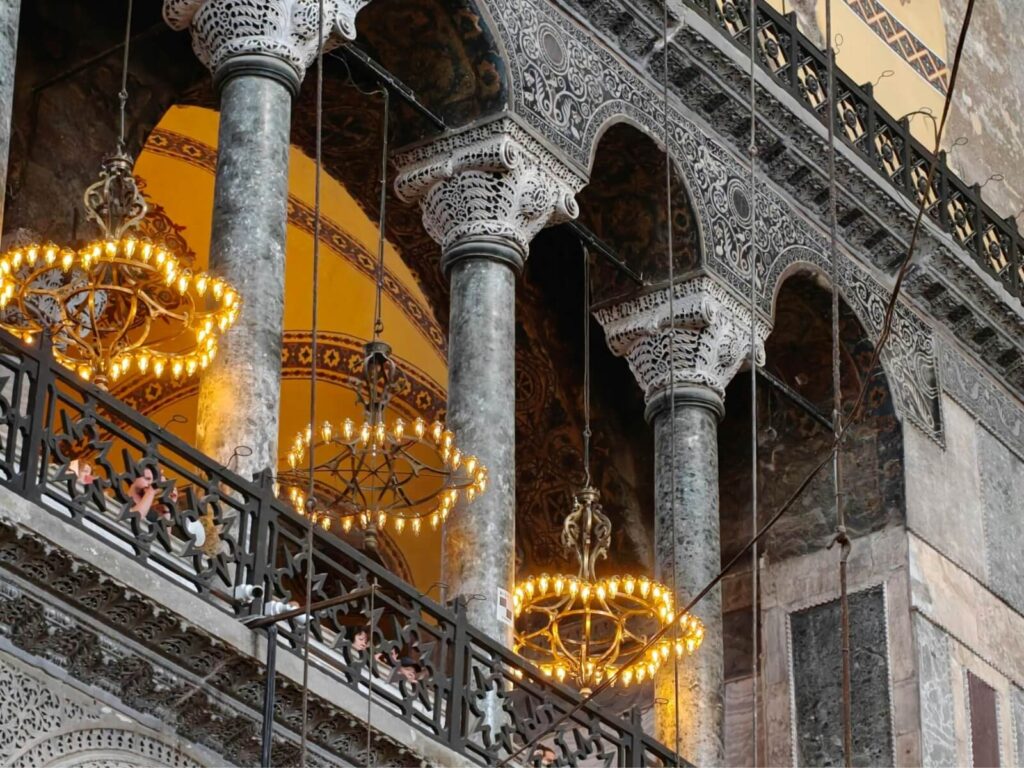
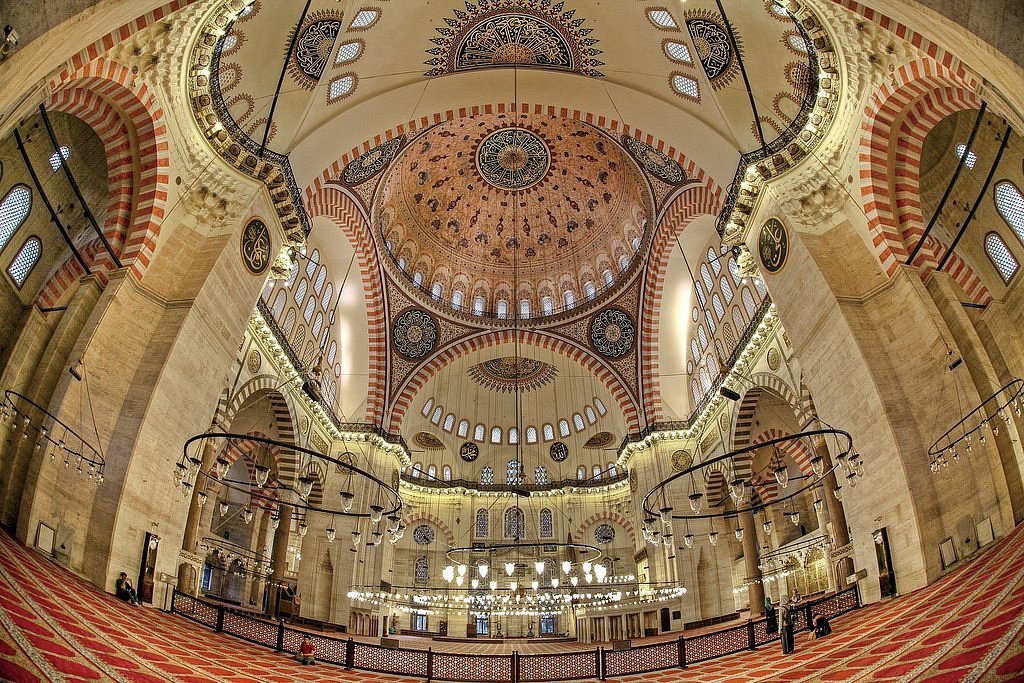
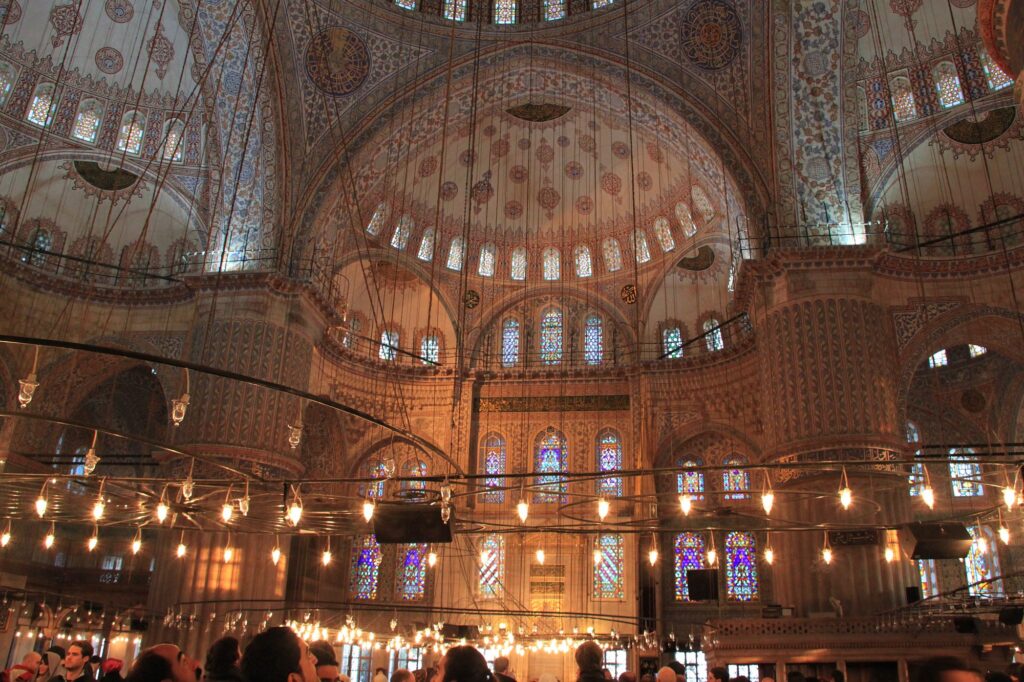
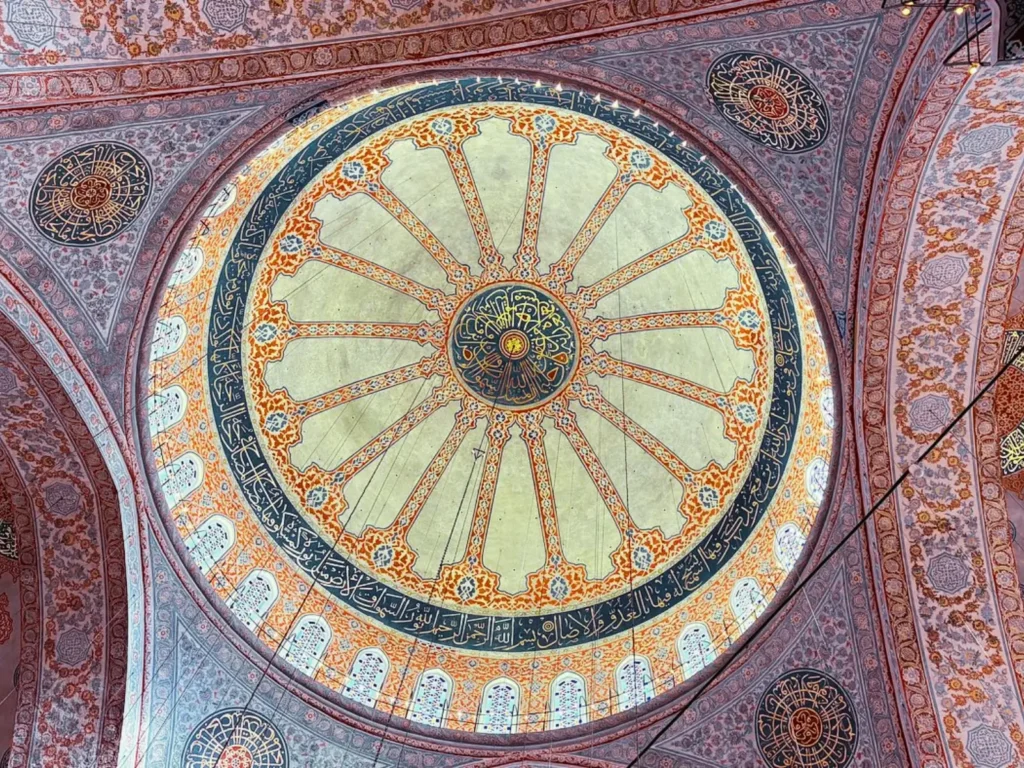
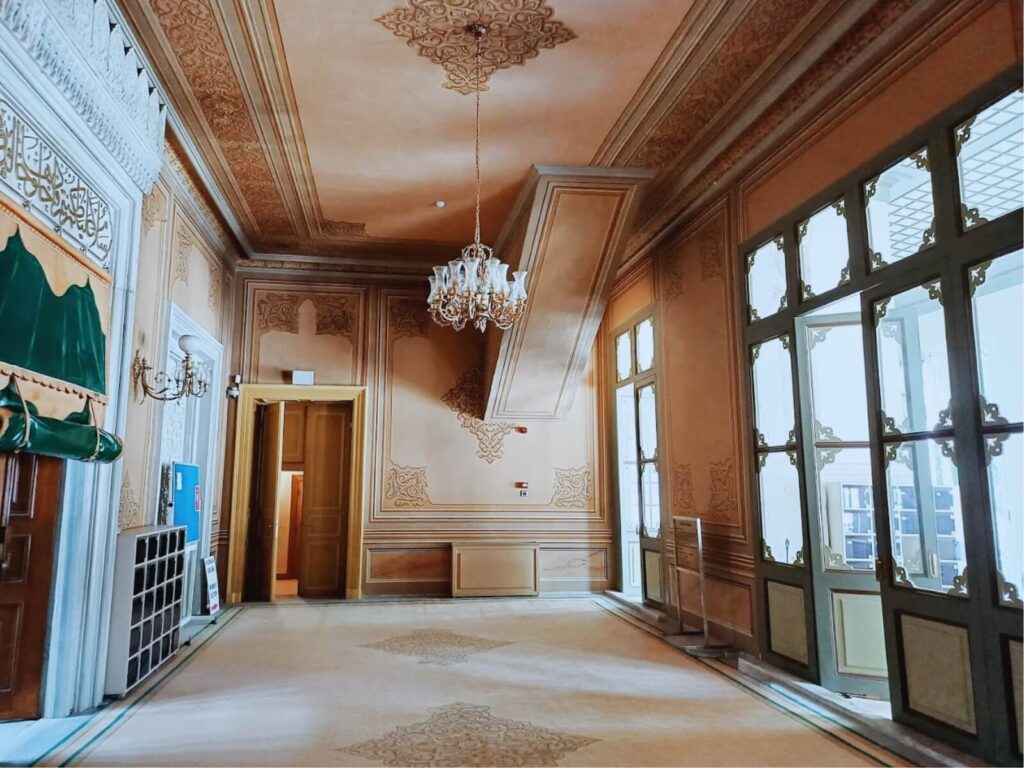
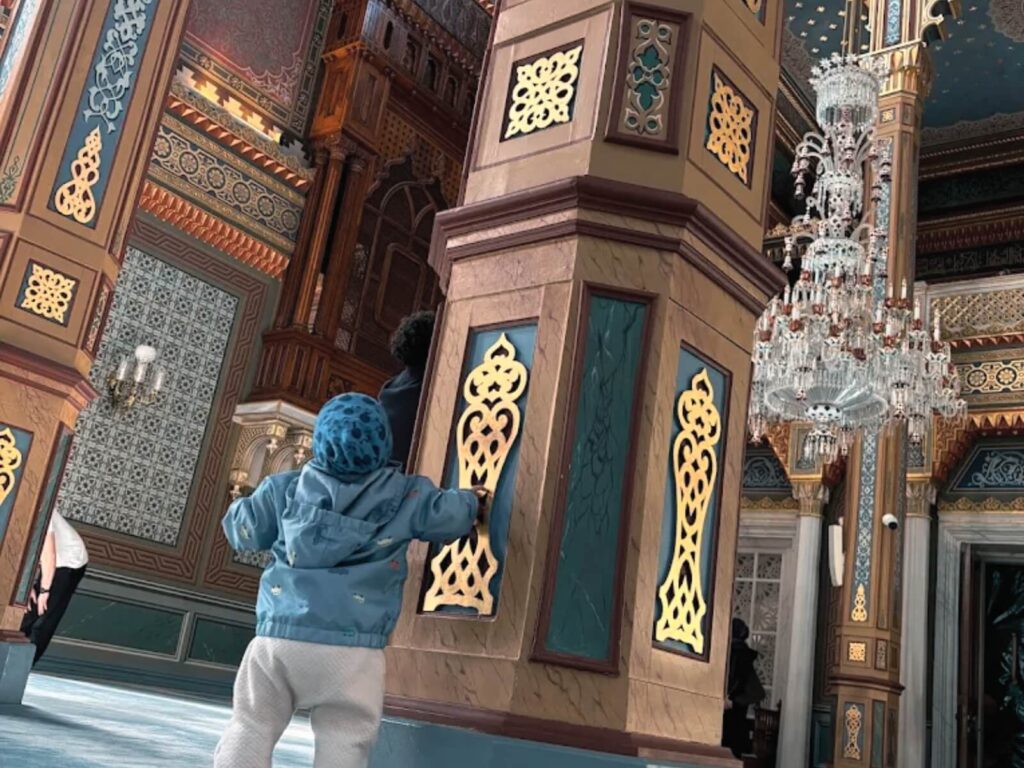
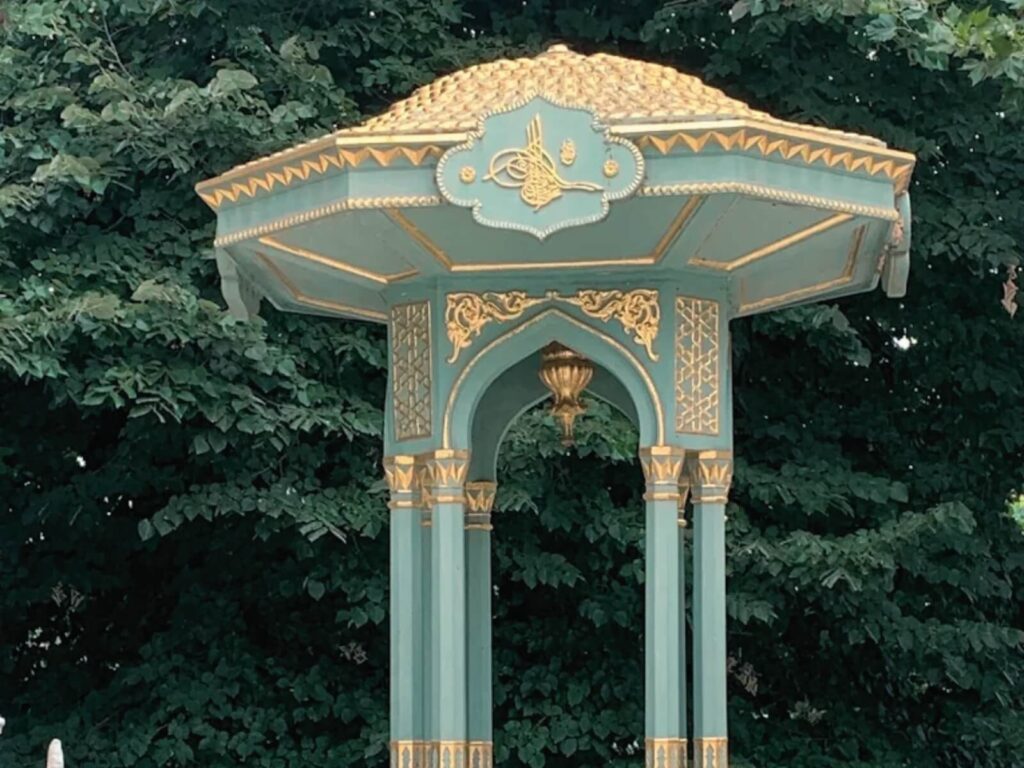
Architecture plays a central role in the experience of Istanbul’s religious landmarks. Intricate tile work, mosaics, marble interiors, calligraphy, stained glass, towering minarets, and monumental domes all contribute to the city’s unique skyline and architectural identity. Many sites also reveal how Byzantine and Ottoman influences continue to shape Istanbul’s urban landscape centuries later.
Unlike many historic monuments elsewhere, many religious attractions in Istanbul remain active places of worship. Visitors regularly encounter daily prayers, local worshippers, and ongoing religious traditions alongside tourism and sightseeing. This connection between historical significance and present-day life creates a distinctly different atmosphere from conventional museums or purely preserved heritage sites.
For travelers interested in architecture, history, photography, spirituality, or cultural heritage, Istanbul’s mosques, churches, and religious attractions provide some of the deepest insight into the city’s layered identity as a crossroads between civilizations, religions, and continents.