
Hidden Gem | Relaxed
30–60 min
Paid
Kadıköy
Culture Lovers | Returning Visitors | Solo Travelers
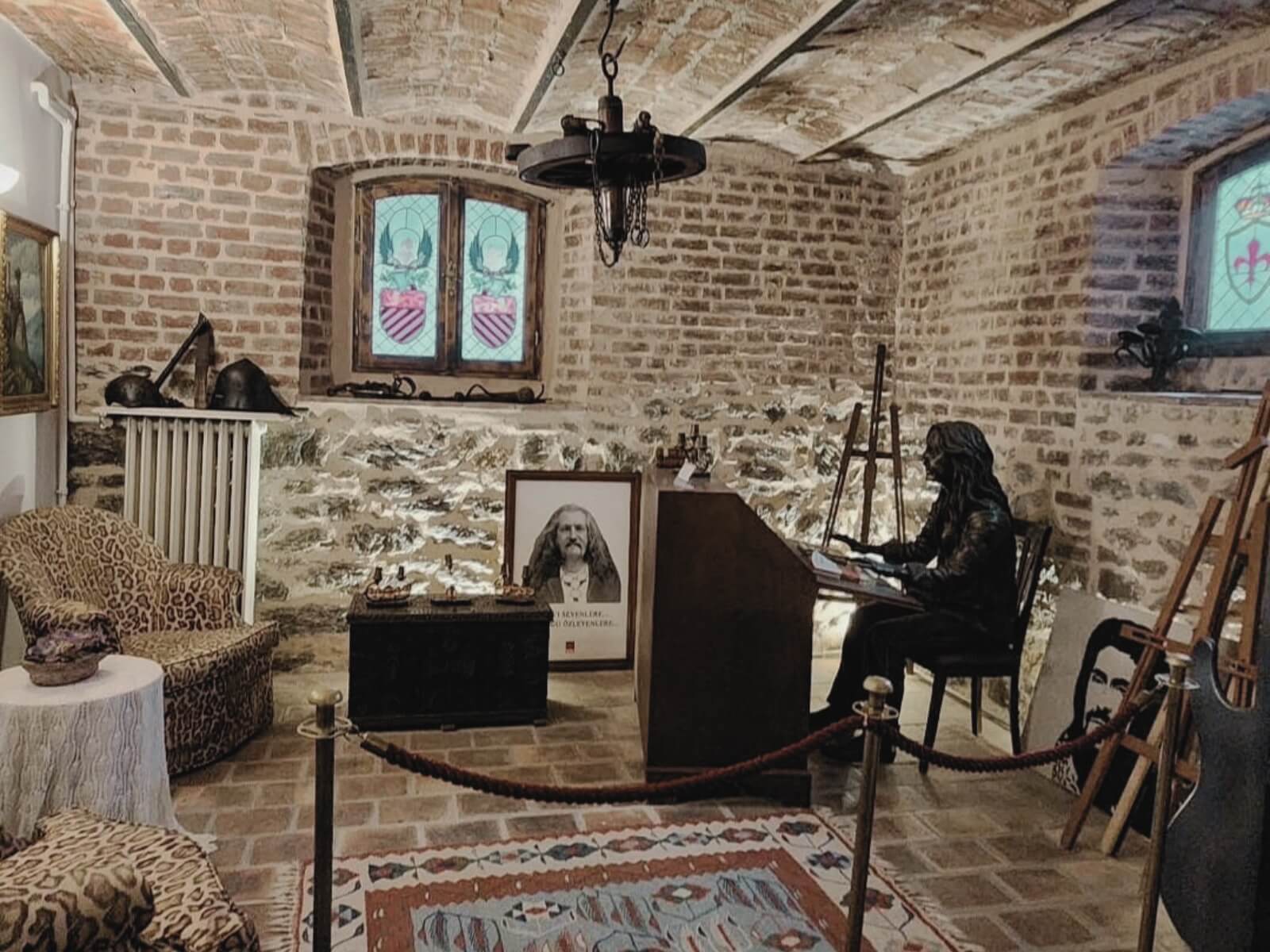
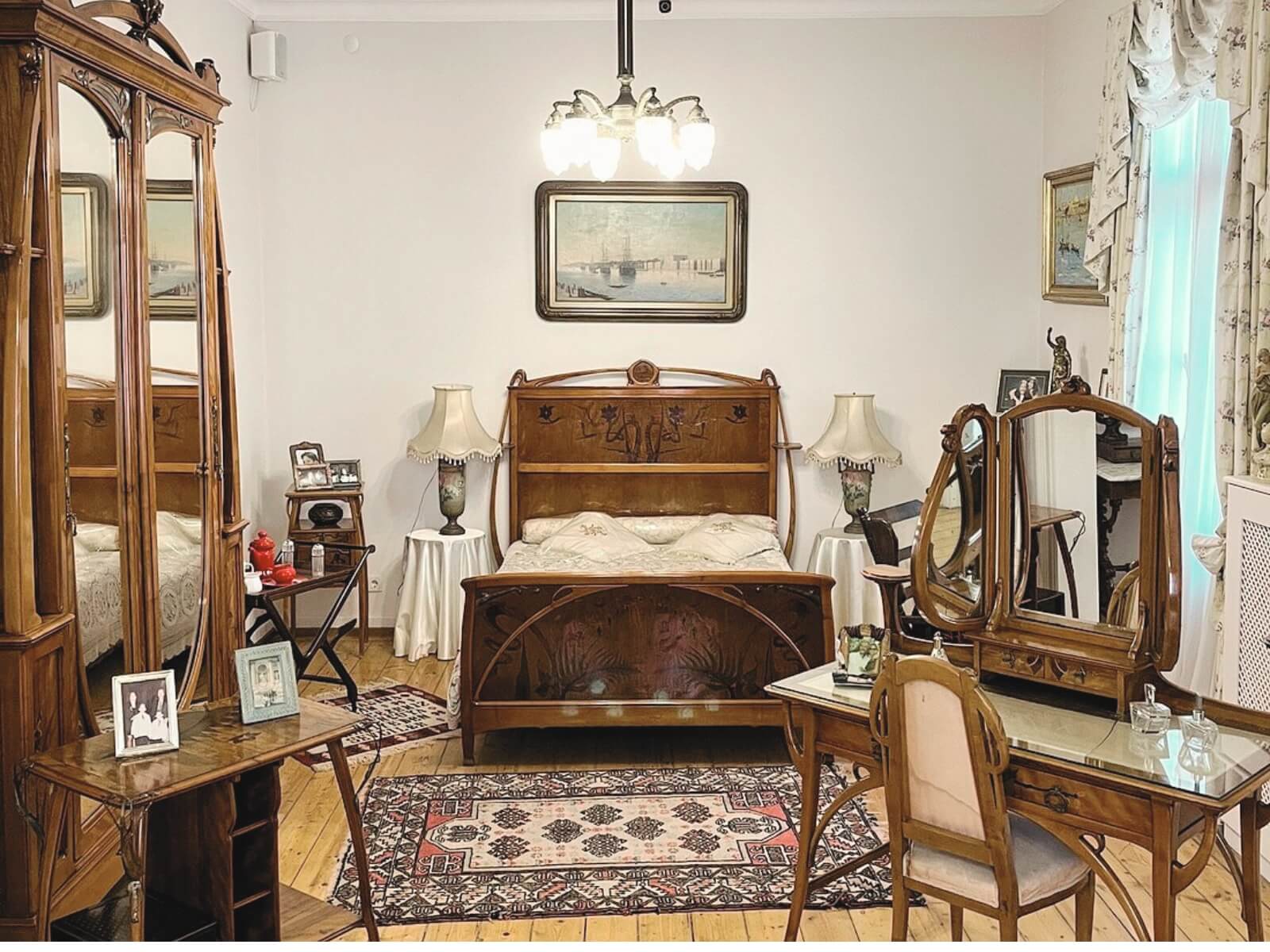
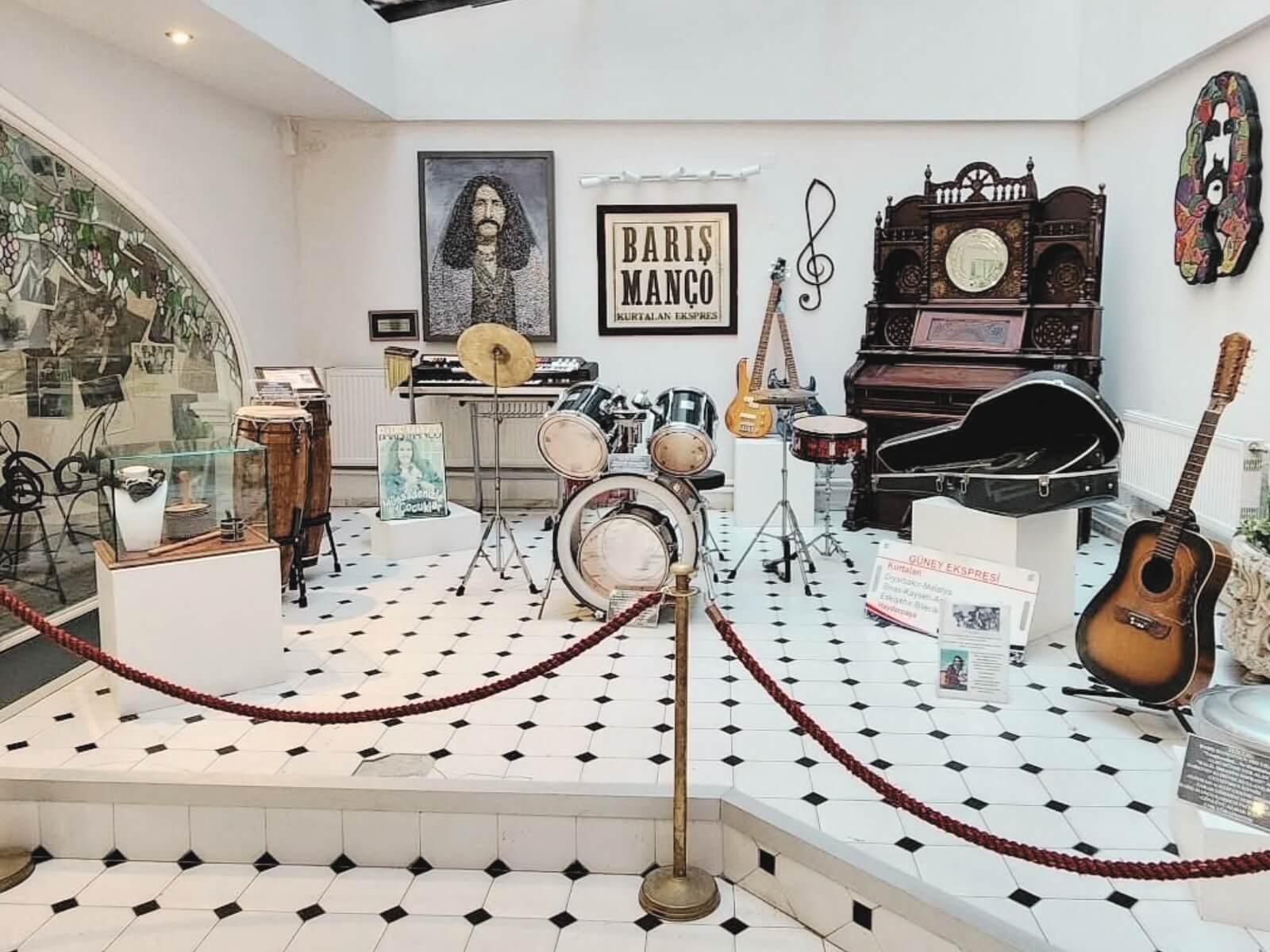
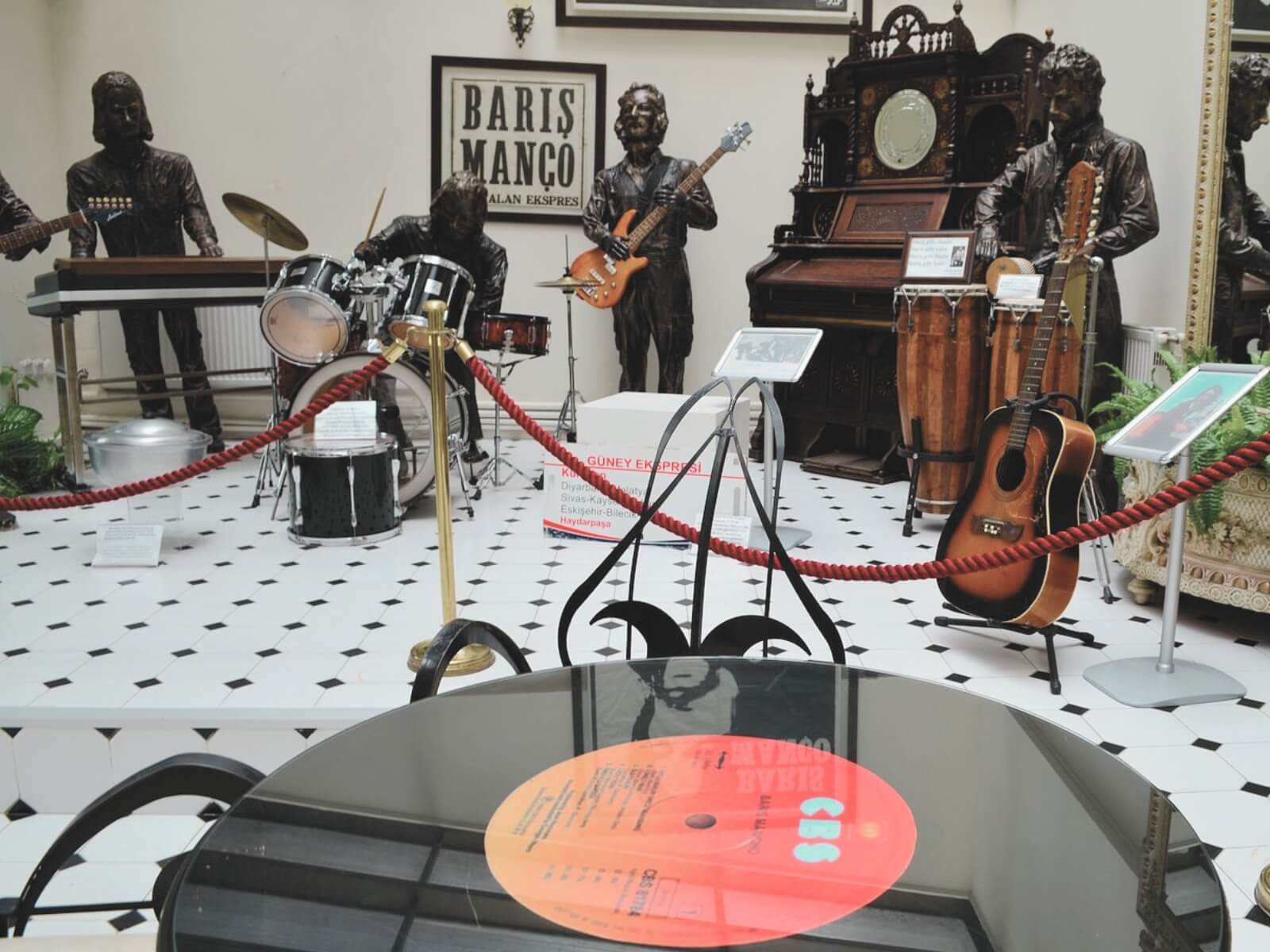
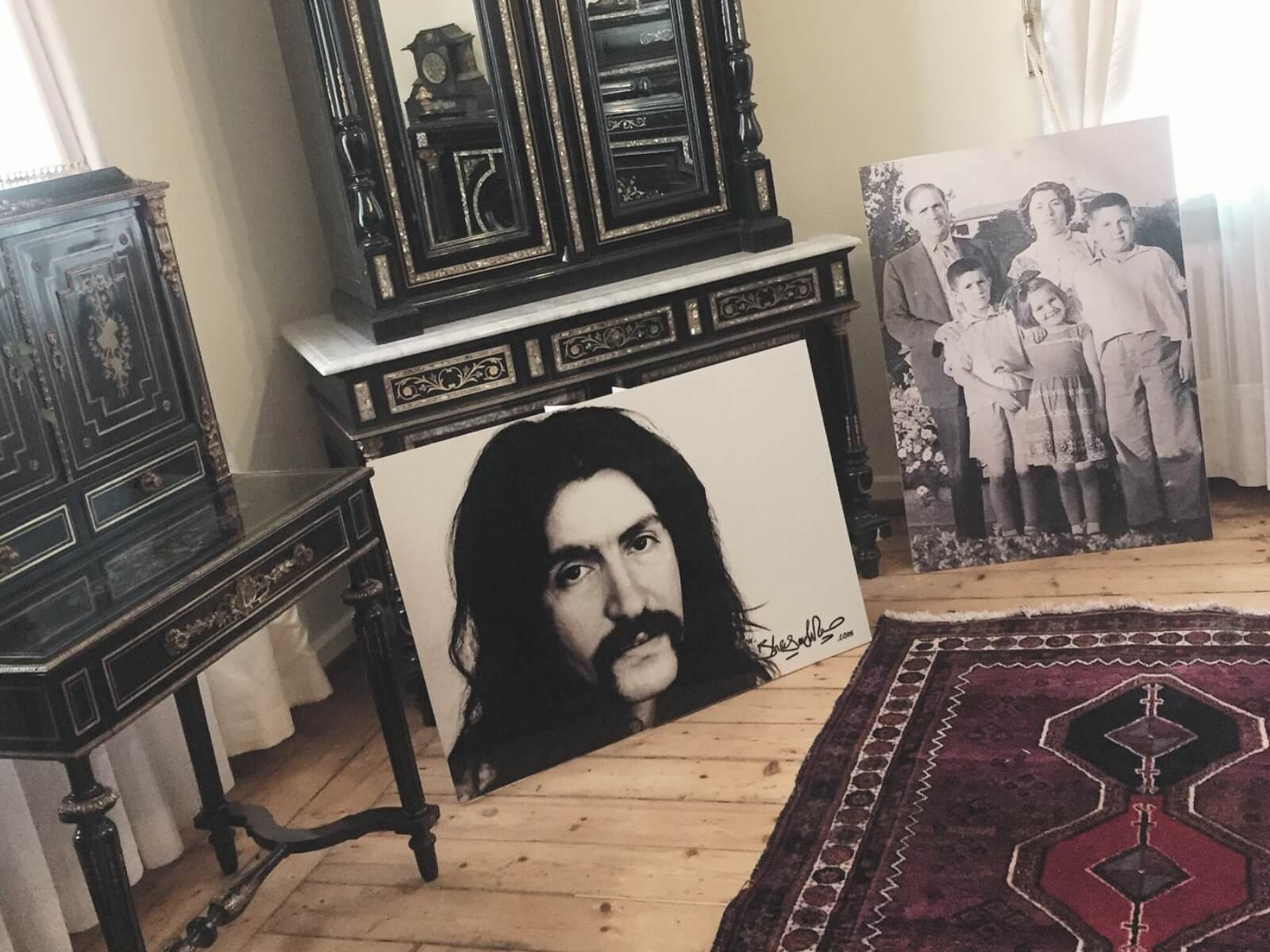
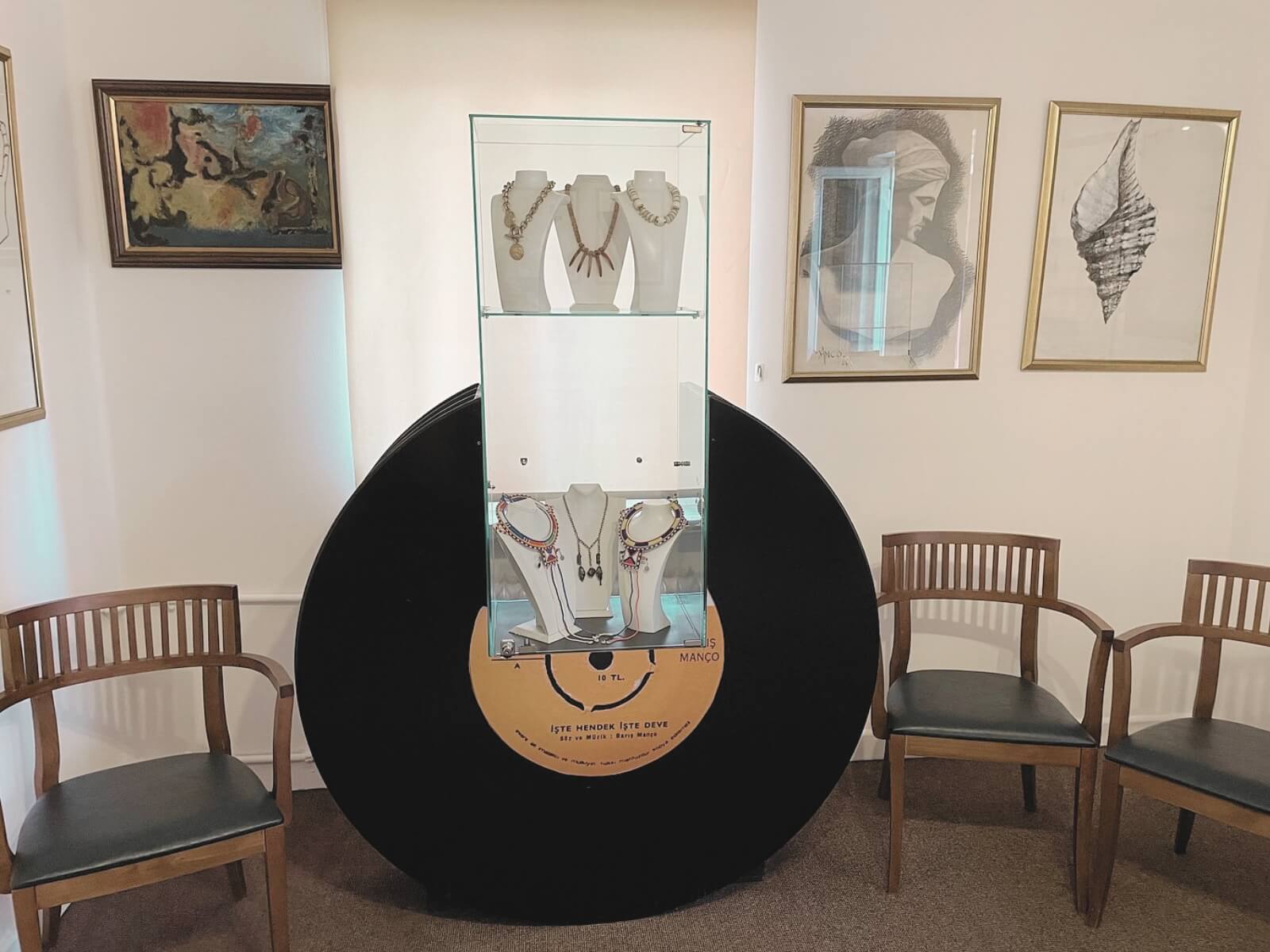
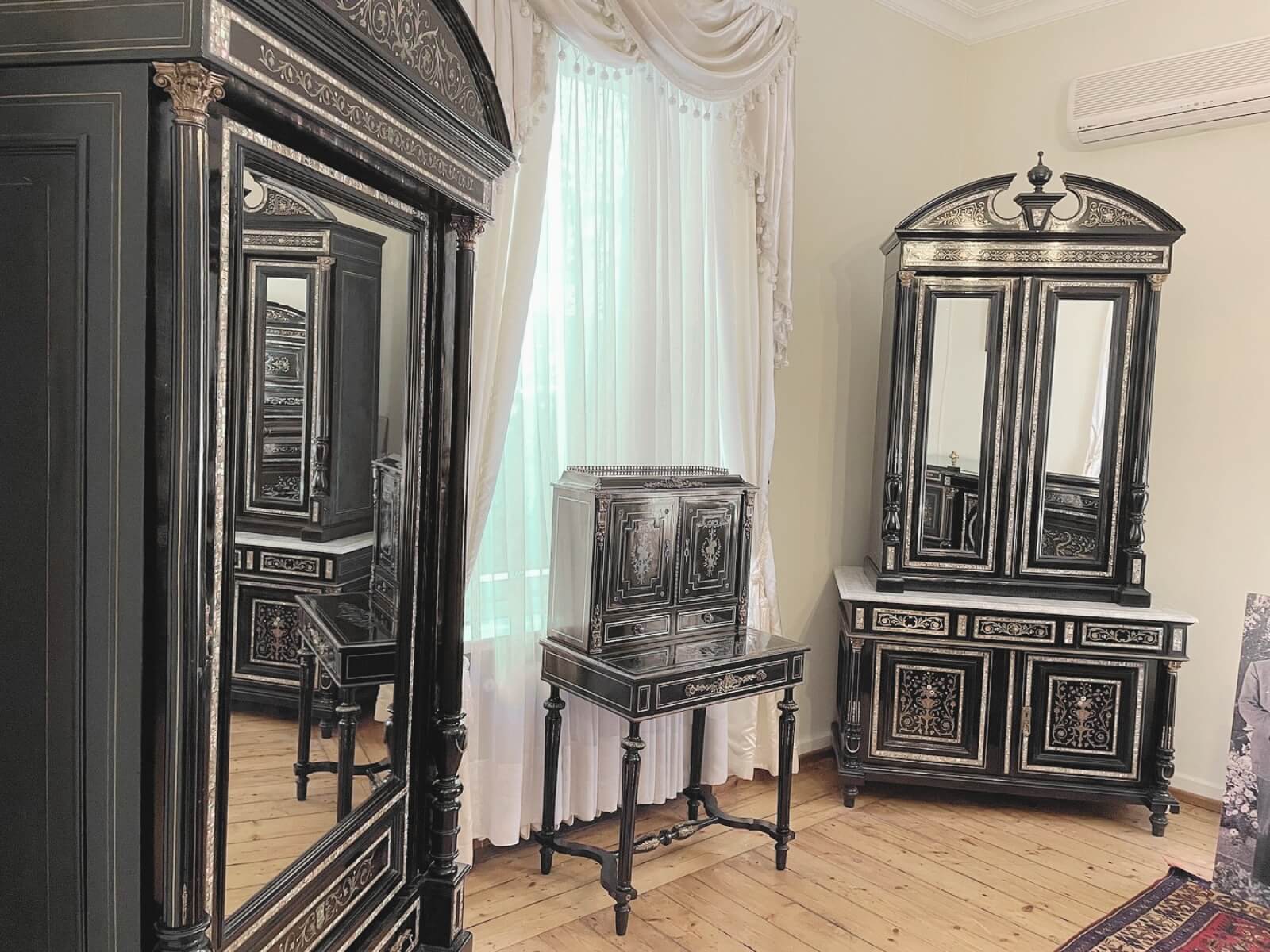
Unlike larger museums built around grand collections or monumental architecture, Barış Manço House Museum creates its atmosphere through intimacy and familiarity. Rooms remain filled with original furniture, clothing, handwritten notes, instruments, photographs, records, and personal objects that reflect both the artist’s public identity and private daily life.
Walking through the house feels emotional even for visitors only loosely familiar with Barış Manço himself. The museum captures a softer and more human side of Istanbul’s cultural memory — one connected to family life, television history, music, creativity, and the atmosphere of older Moda before the district became internationally known.
The interiors preserve a strong late-20th-century character. Wooden furniture, patterned wallpapers, vintage electronics, and collected memorabilia create a nostalgic atmosphere that feels authentic rather than heavily curated. Visitors often move slowly through the rooms, not because of the museum’s size, but because the space invites observation and reflection.
There is also a strong sense of affection surrounding the museum. Many local visitors arrive with childhood memories connected to Barış Manço’s television programs or music, giving the house an unusually emotional atmosphere compared to more traditional cultural institutions in the city.
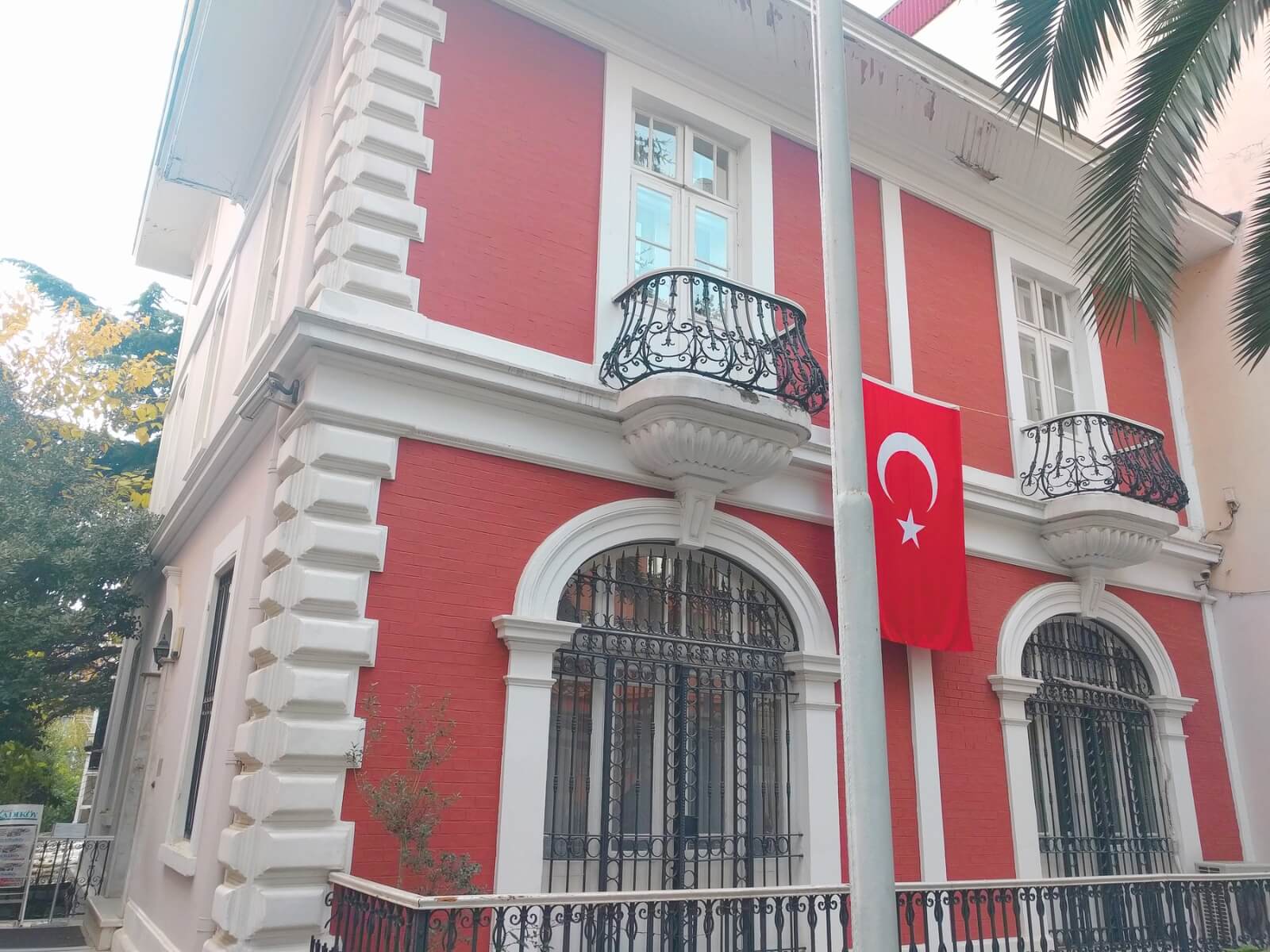
Located in the Moda neighborhood of Kadıköy, the museum sits within one of Istanbul’s most relaxed and culturally layered residential districts. Tree-lined streets, historic apartment buildings, independent cafés, bookstores, bars, bakeries, and seaside walking paths shape the surrounding atmosphere.
Many visitors combine the Barış Manço House Museum with a slower day in Moda — spending time along the coastline, browsing local boutiques, or moving between coffee shops and small restaurants nearby. Compared to Istanbul’s major tourist zones, the area feels more residential and community-driven, with a pace shaped by students, artists, long-time locals, and everyday neighborhood life.
The contrast between the museum’s nostalgic interior and Moda’s modern café culture also gives the experience a distinctive feeling. The district continues evolving creatively while still preserving traces of older Istanbul lifestyles and cultural memory.
For returning visitors especially, Barış Manço House Museum often becomes memorable not because of spectacle or scale, but because it captures a quieter and more personal side of Istanbul culture rarely visible inside the city’s larger landmarks.