
Family-Friendly | Lively | Photogenic | Relaxed | Romantic | Scenic
2–3 hours
Free
Beyoğlu
Couples | First-Time Visitors | Friends | Returning Visitors
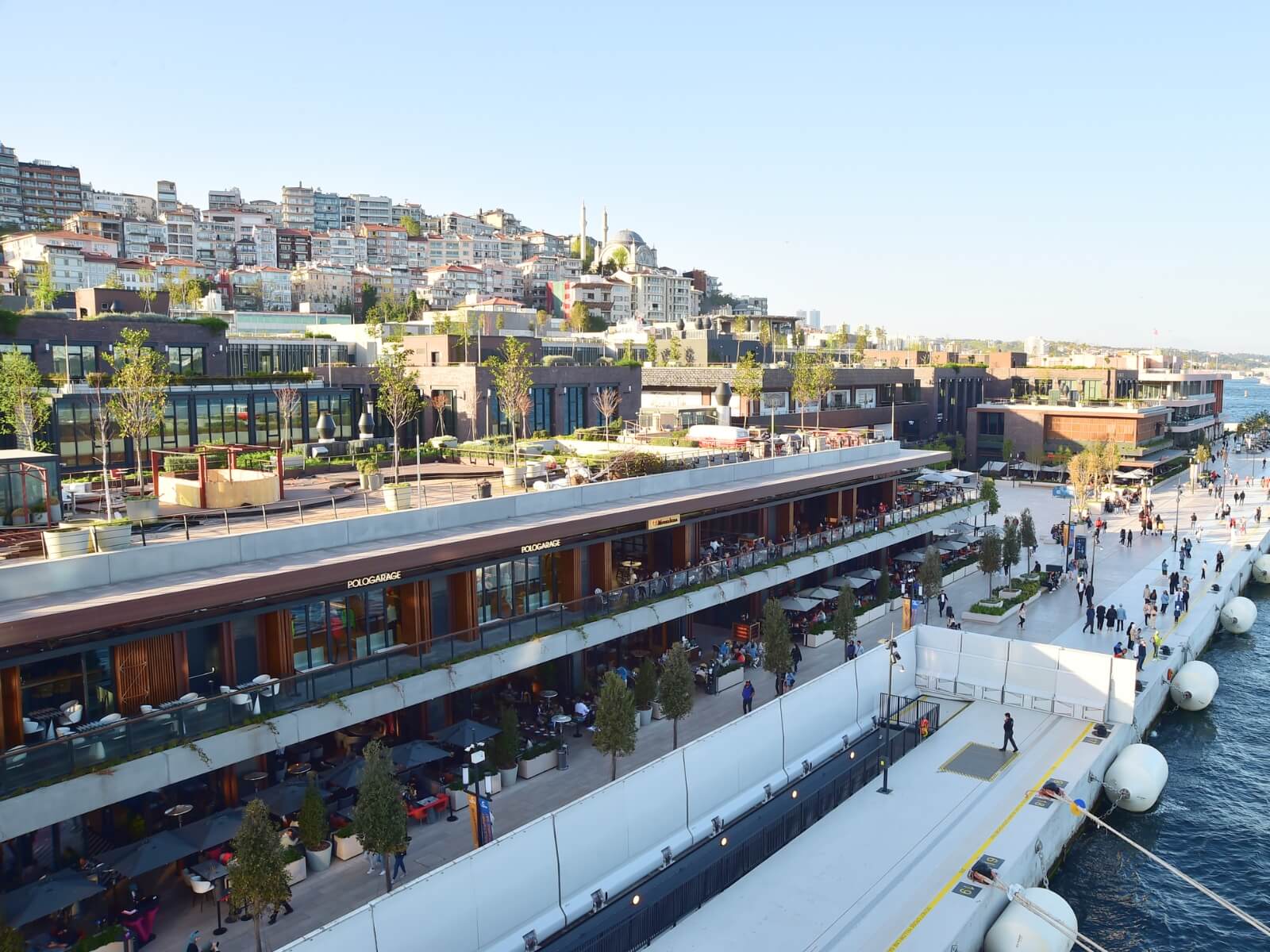
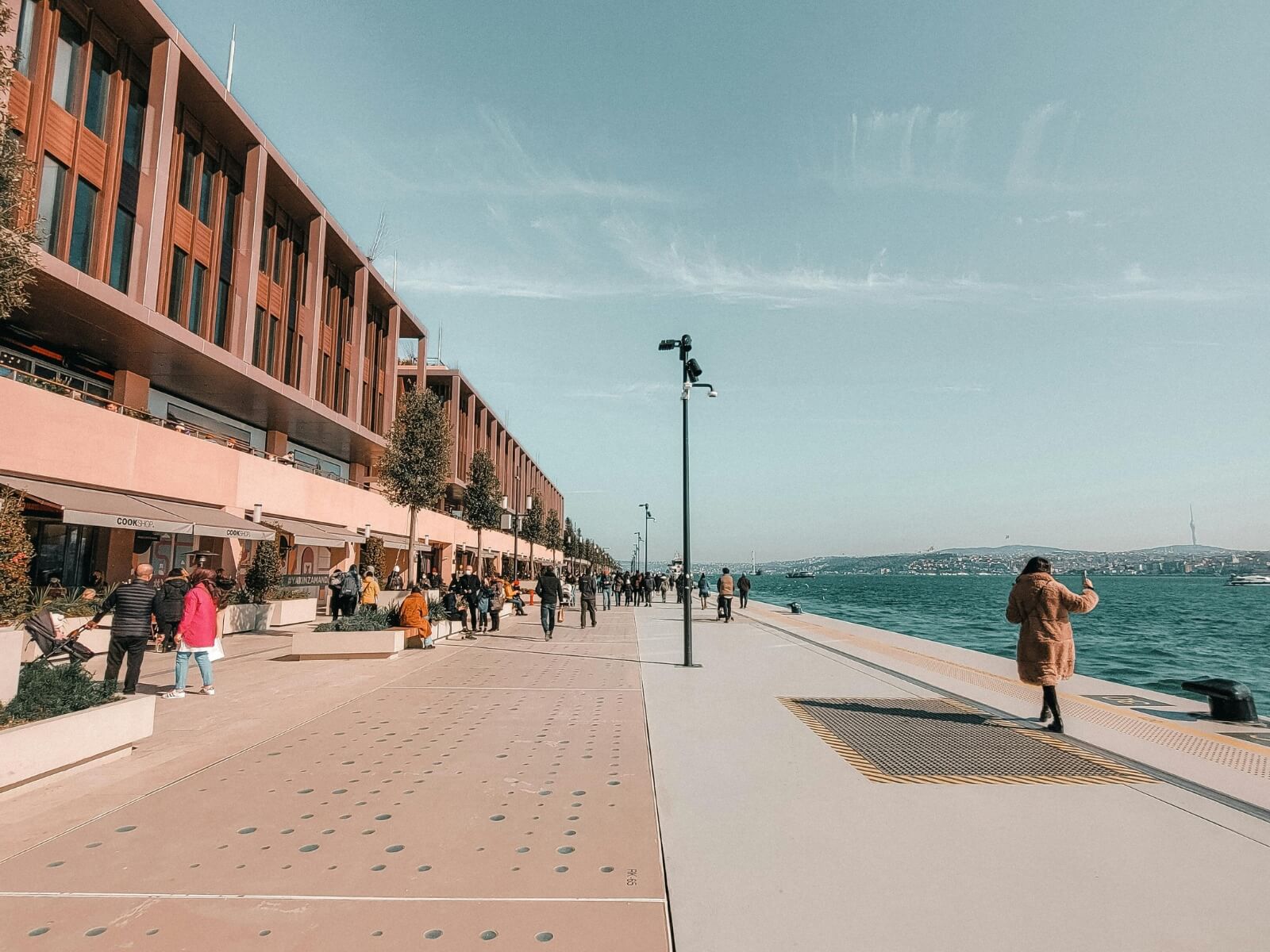
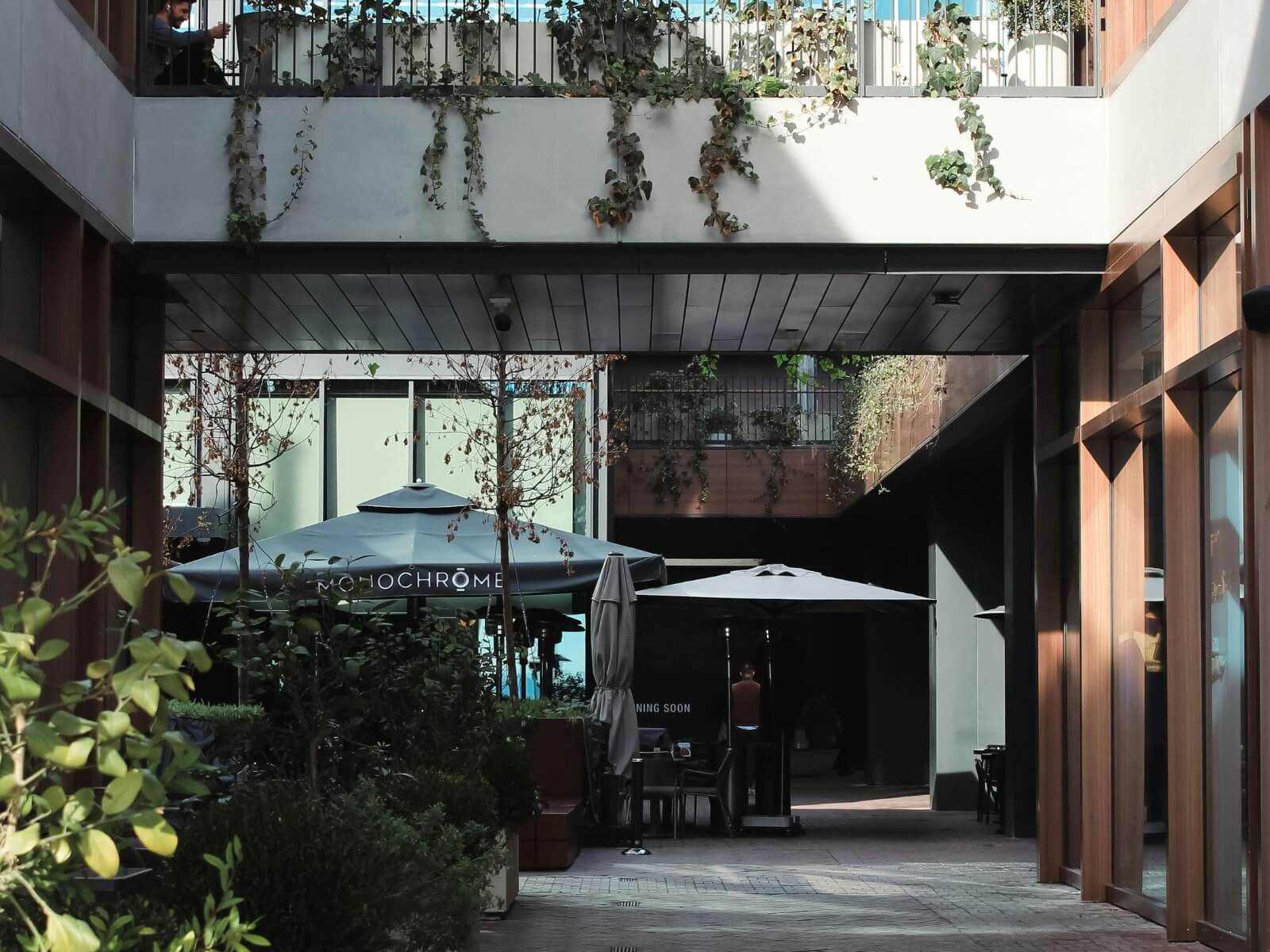
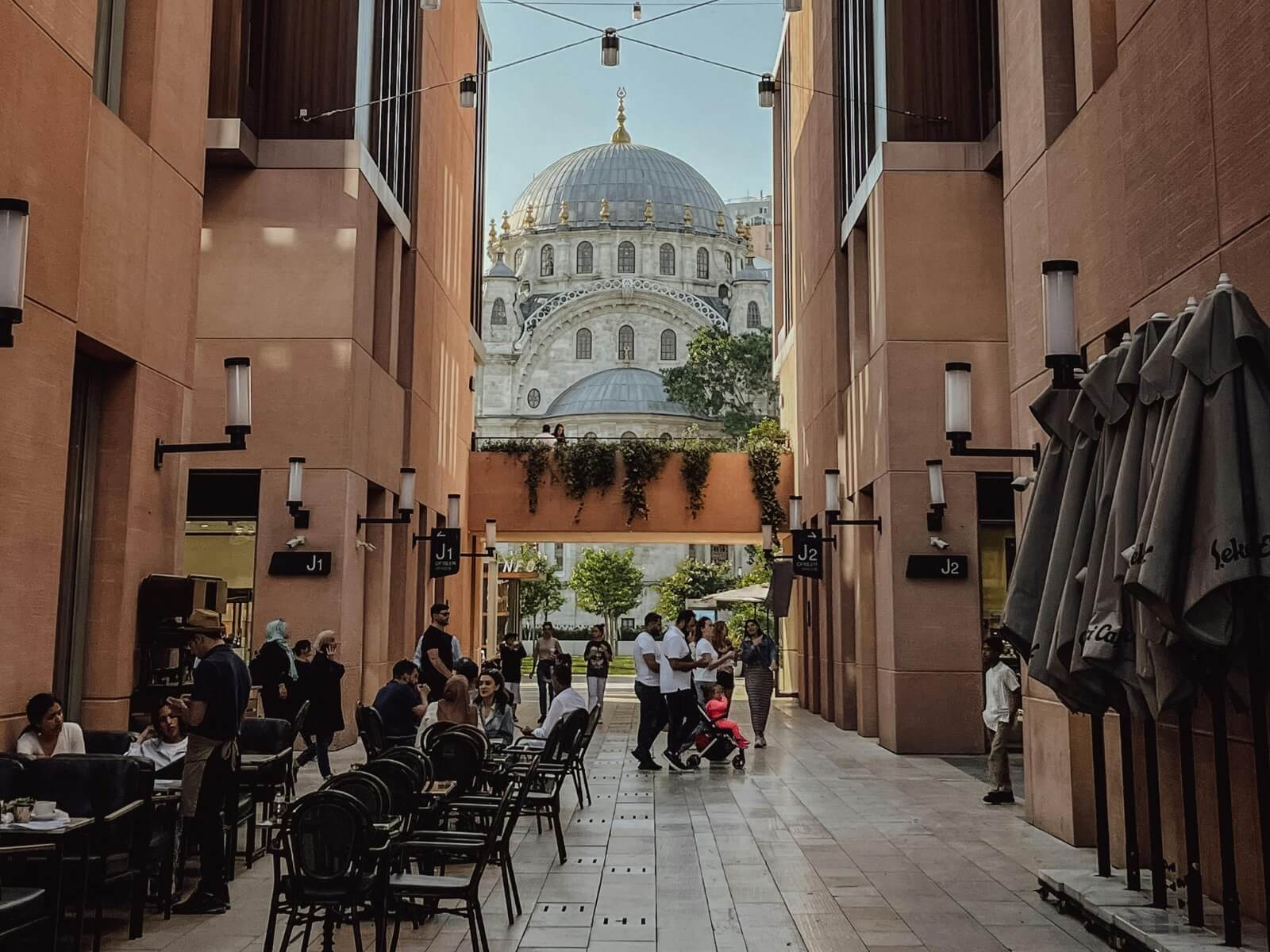
Galataport feels very different from Istanbul’s older historical districts. Wide pedestrian promenades replace dense streets, contemporary architecture opens directly toward the water, and the atmosphere is built around movement, leisure, and social interaction rather than traditional sightseeing alone.
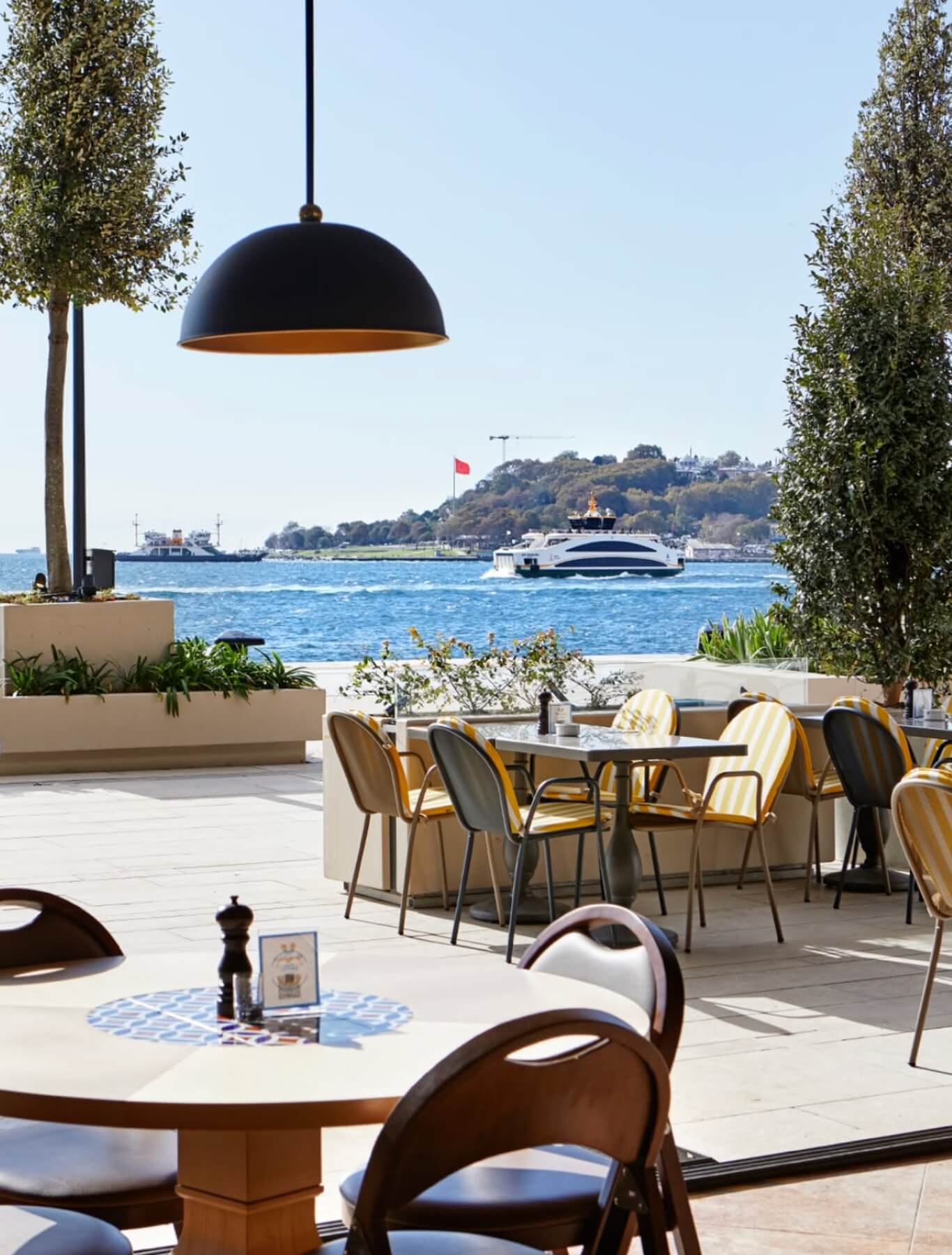
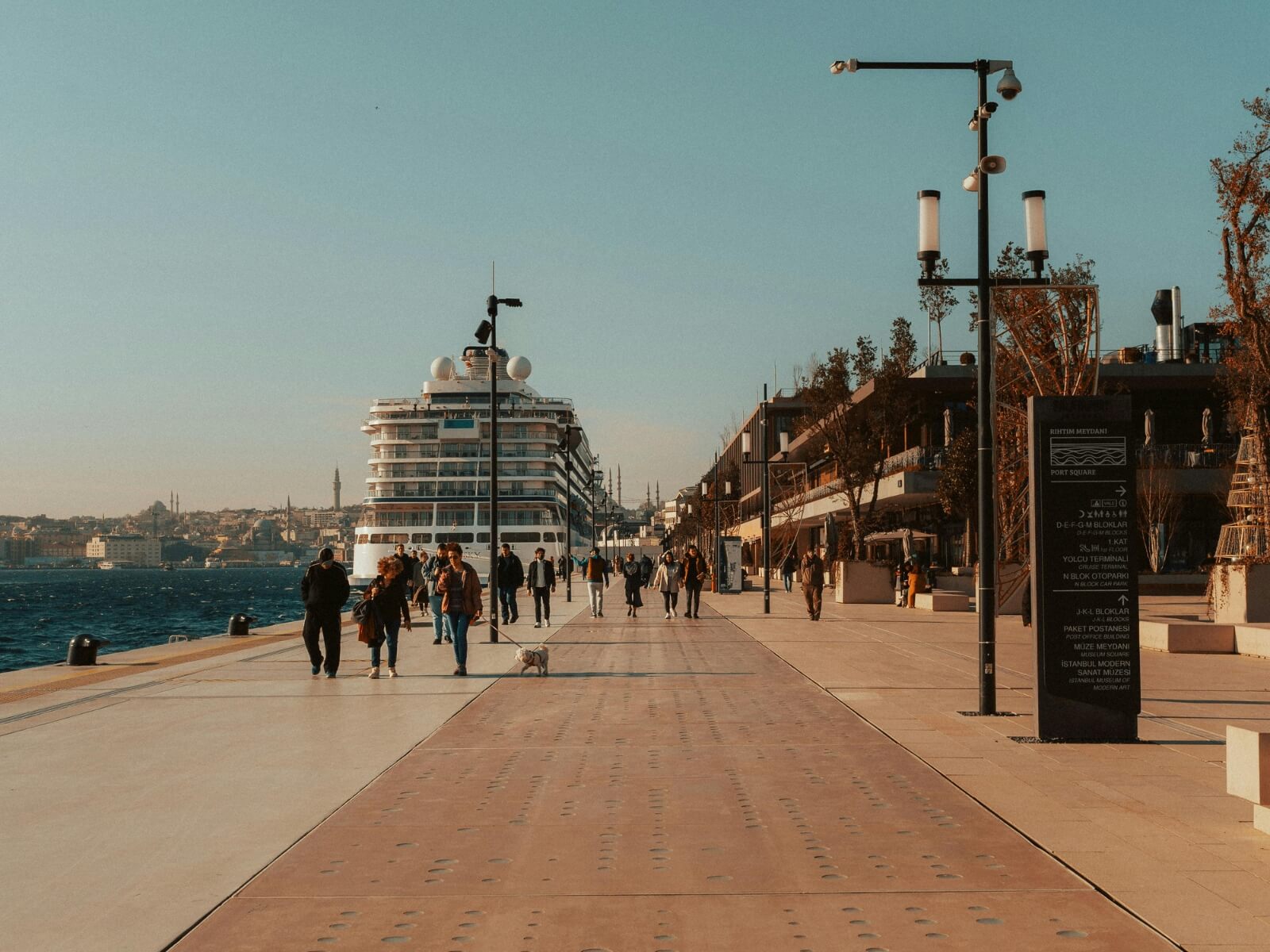
The waterfront itself shapes most of the experience. Visitors walk beside cruise ships, ferries, cafés, restaurants, and public seating areas while the Bosphorus remains constantly visible in the background. The area feels especially active during sunset hours, when people gather along the coastline for dinner, coffee, shopping, or simply watching the changing light over the water.
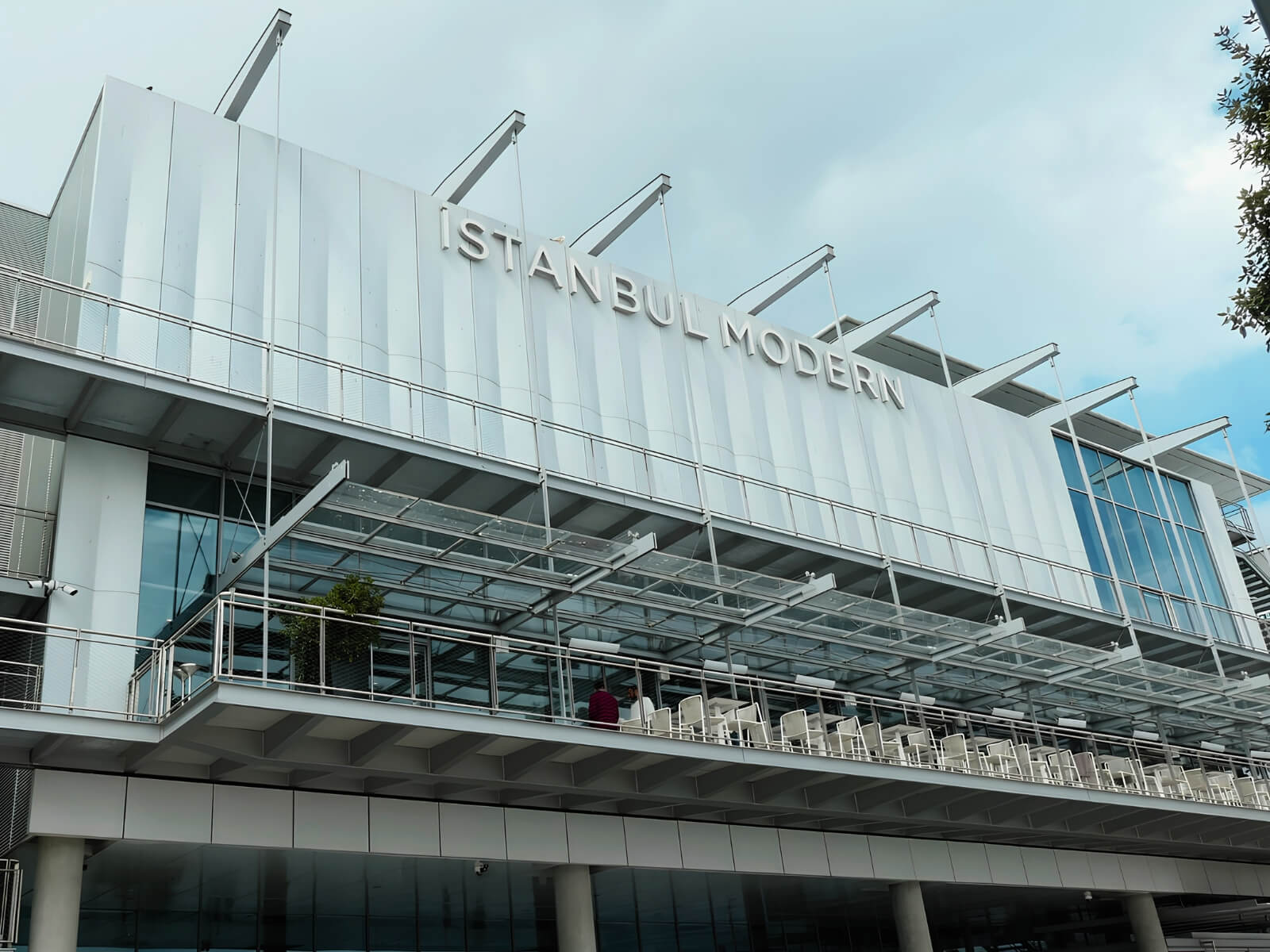
Unlike many modern lifestyle developments that feel disconnected from their surroundings, Galataport Istanbul remains strongly linked to Istanbul’s urban rhythm. Locals use the promenade for evening walks, students sit beside the sea with takeaway coffee, and visitors move naturally between museums such as Istanbul Modern, designer stores, seafood restaurants, dessert cafés, and the nearby streets of Karaköy.
The area also attracts people who are not necessarily interested in luxury shopping itself. Open public spaces, street musicians, waterfront seating areas, and direct Bosphorus access make the complex feel more social and open than purely commercial. During warmer months especially, the coastline becomes one of the busiest gathering points on the European side.
Located in Beyoğlu within the Karaköy waterfront area, Galataport connects directly to some of Istanbul’s most active urban neighborhoods. Visitors can easily walk toward Galata, Tophane, or İstiklal Avenue while moving between historic streets and the modern Bosphorus promenade.
The area surrounding Galataport is filled with restaurants, cocktail bars, coffee shops, rooftop venues, art spaces, and boutique hotels that continue extending the waterfront atmosphere into the surrounding streets. The nearby Istanbul Modern museum also gives the district a strong contemporary cultural identity beyond shopping and dining.
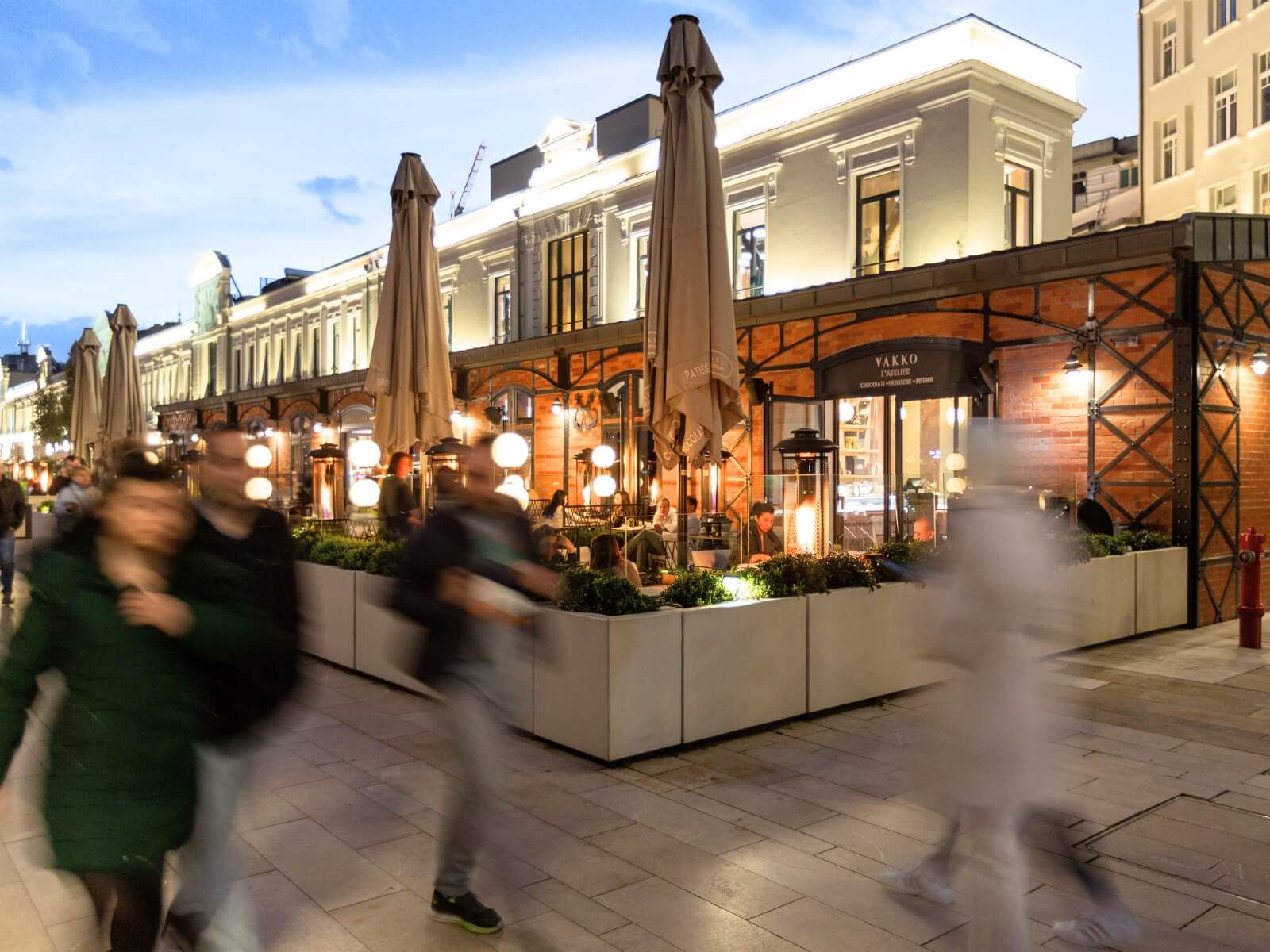
The atmosphere changes significantly depending on timing. Mornings feel calmer and more architectural, while afternoons and evenings become noticeably more social and energetic. Nighttime brings a particularly modern image of Istanbul, when restaurant terraces fill with locals and visitors beneath the Bosphorus lights.
For many travelers, Galataport represents a more contemporary version of Istanbul — internationally connected, design-oriented, waterfront-focused, and deeply integrated into the city’s current social culture rather than only its historical image.