
Adventurous | Iconic | Lively
2–3 hours
Free
Fatih
Culture Lovers | First-Time Visitors | Friends
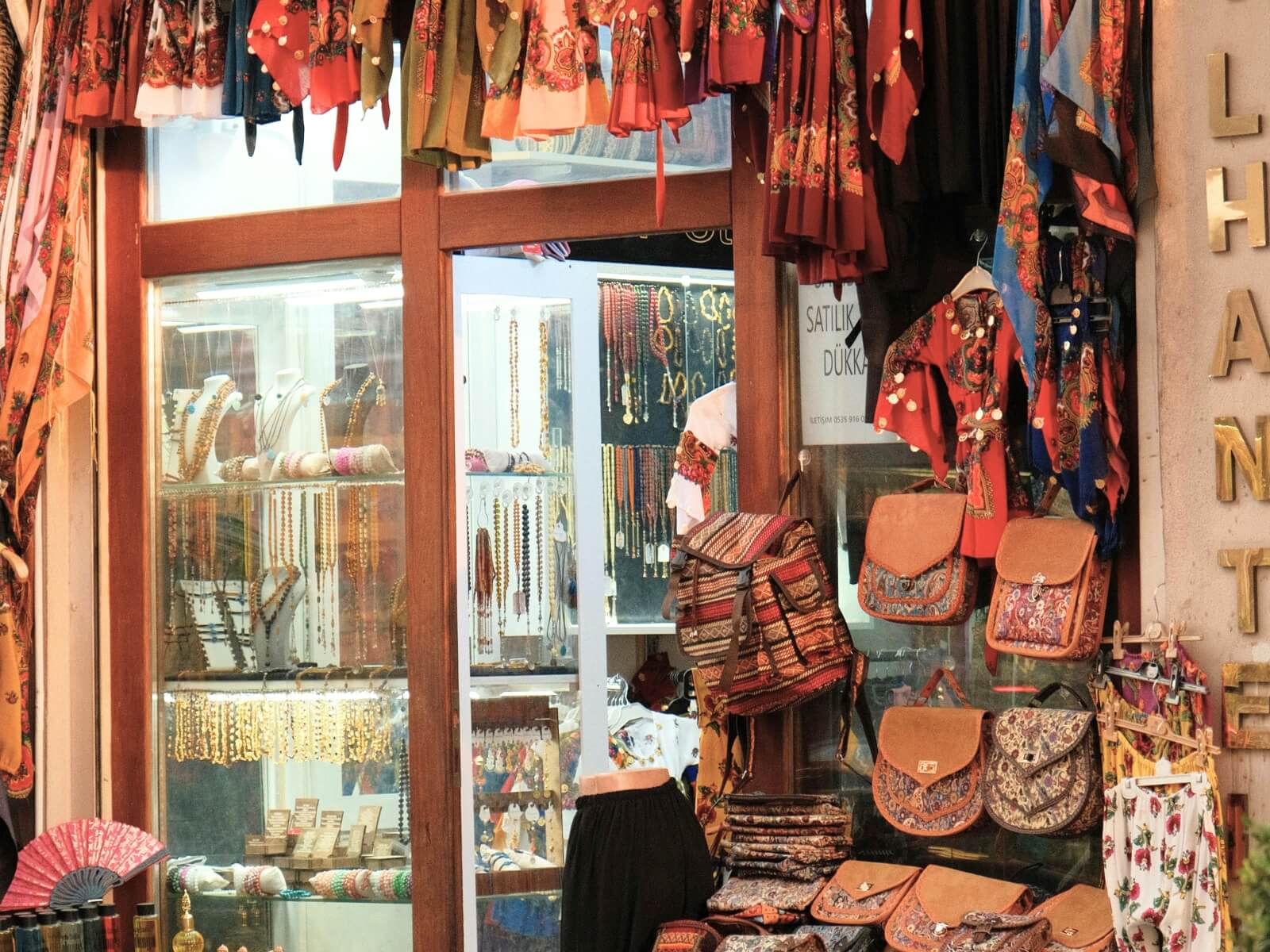
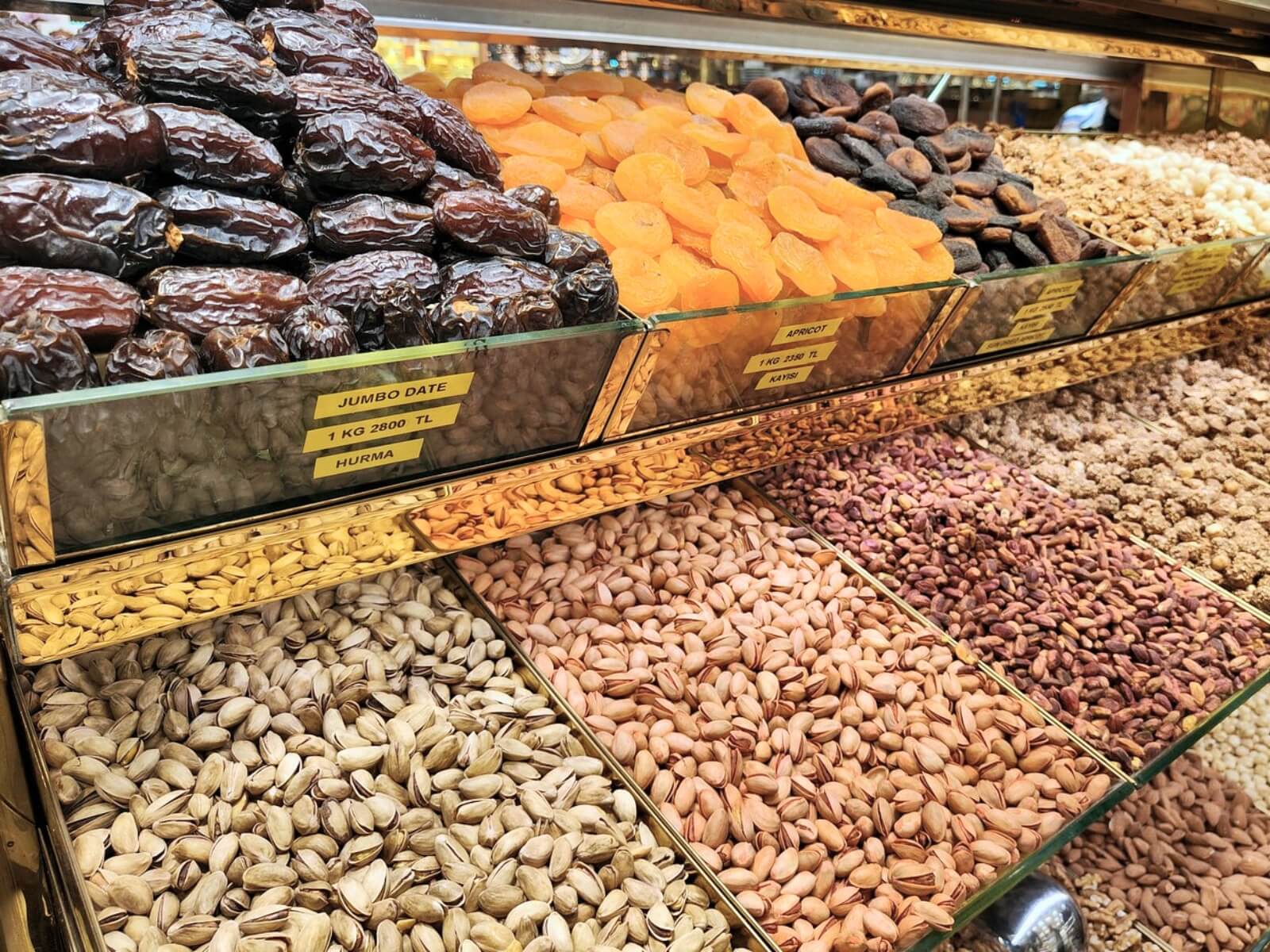
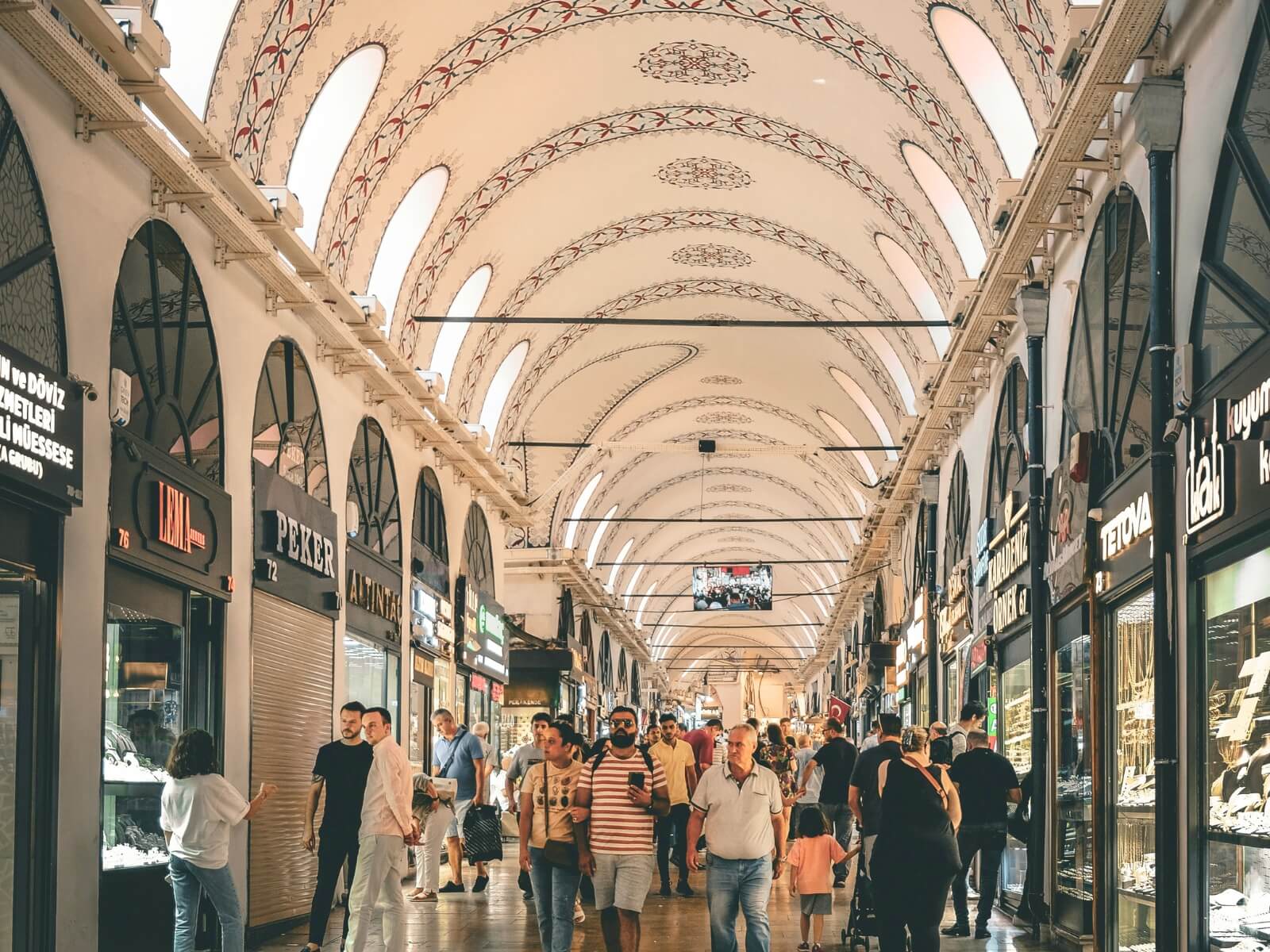
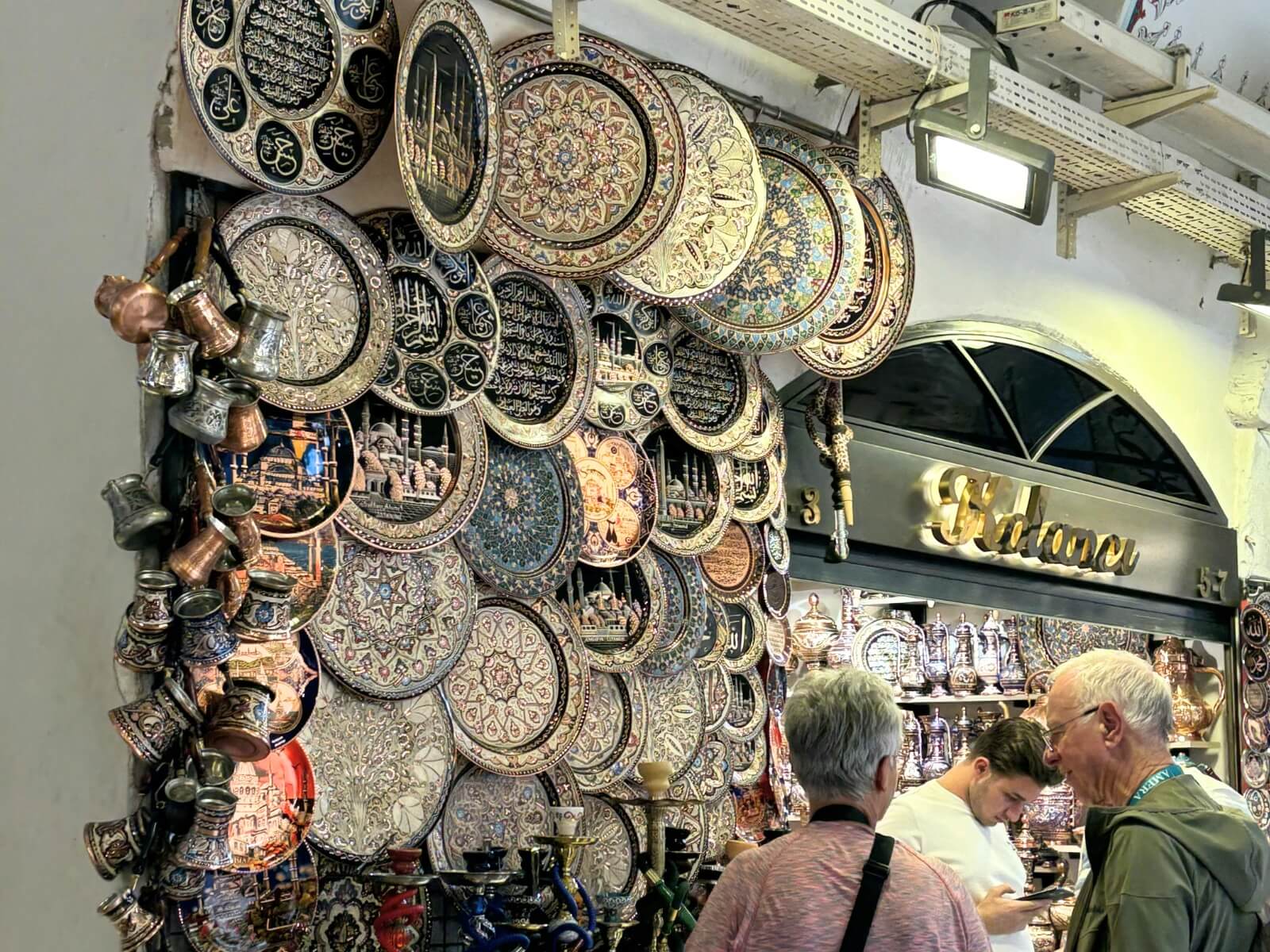
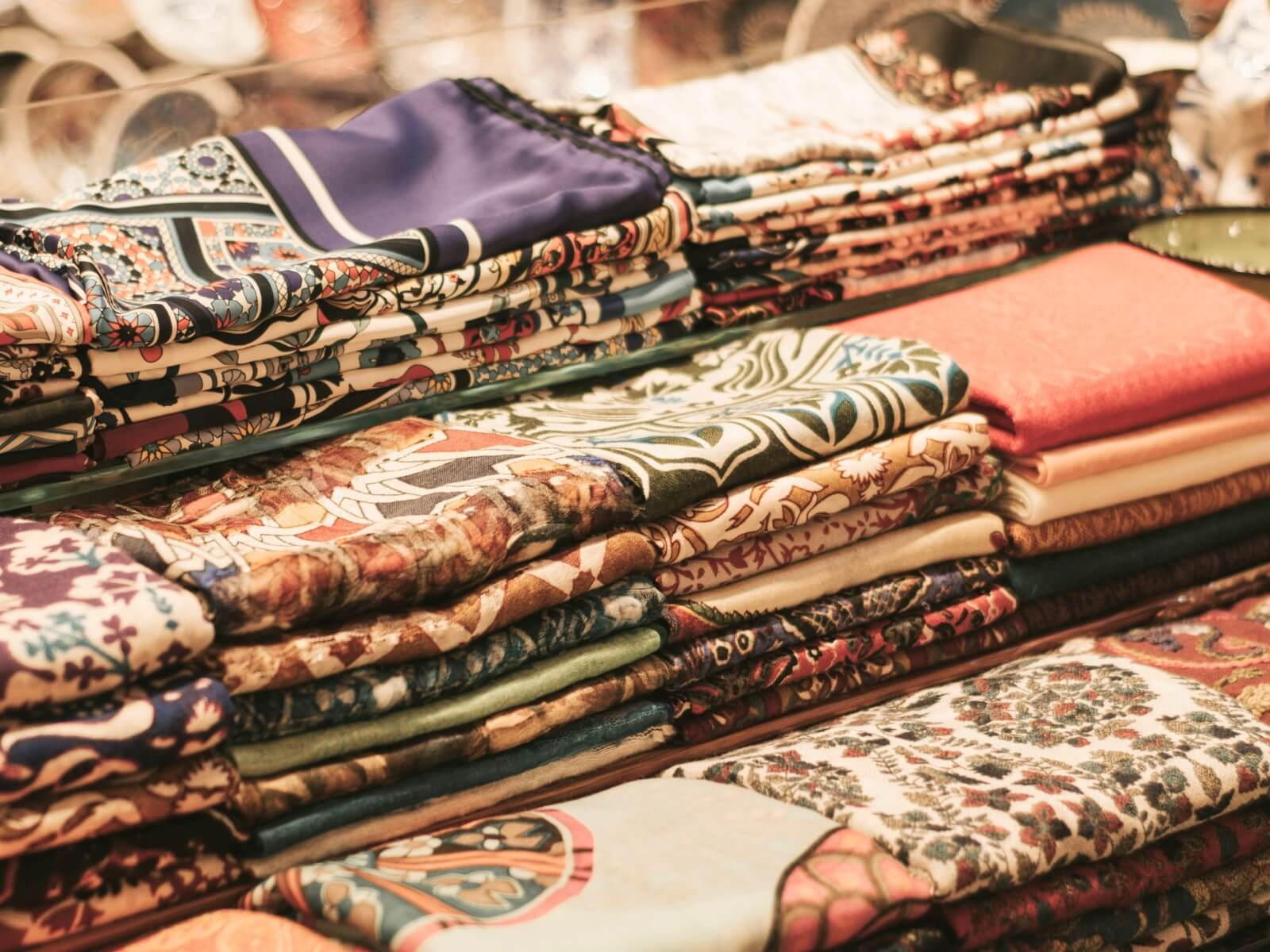
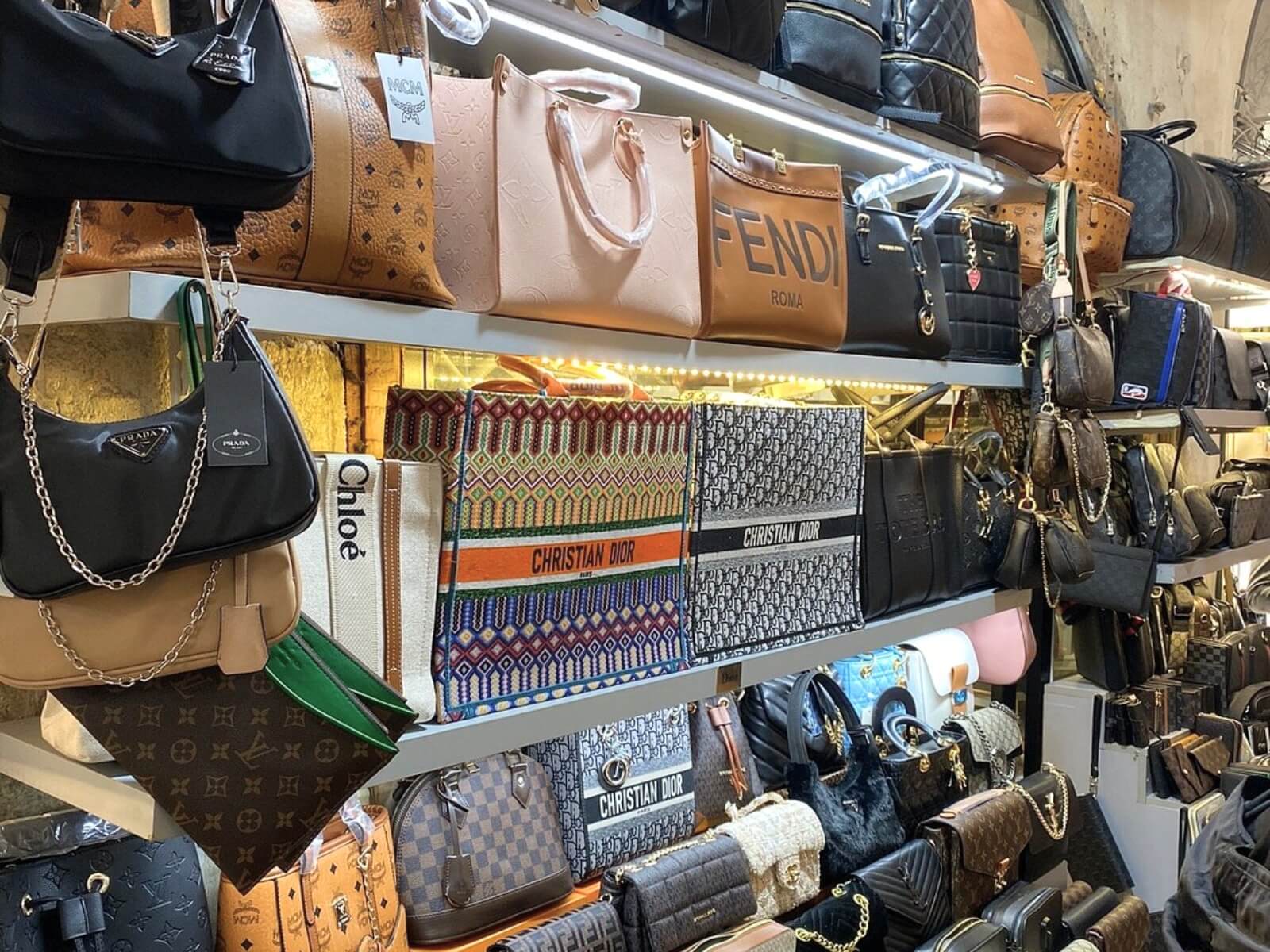
Walking into the Grand Bazaar immediately changes the rhythm of the city outside. Narrow covered streets unfold in every direction, filled with hanging lanterns, carpets, ceramics, leather goods, antique objects, jewelry displays, spices, textiles, and shopkeepers calling out across crowded passageways.
The atmosphere feels dense but layered rather than chaotic. Some corridors are dominated by luxury jewelry and gold shops, while others feel quieter and more traditional, lined with craftsmen repairing watches, polishing metalwork, or arranging handmade objects behind wooden storefronts that seem largely unchanged for decades.
What makes the bazaar memorable is not only shopping itself, but the sensory experience surrounding it. Light filters through historic ceilings, conversations echo between stone walls, tea glasses move constantly between neighboring shops, and the smell of leather, coffee, perfume, and old wood mixes throughout the market.
Despite its global fame, the Grand Bazaar still functions as a working commercial space shaped by routine and long-standing relationships between traders. Local buyers, wholesalers, tourists, collectors, and returning customers all move through the same corridors, giving the bazaar a more authentic commercial atmosphere than many purely tourist-focused markets.
Visitors who spend more time inside often discover that the quieter side streets become more interesting than the busiest central paths. Away from the largest crowds, the bazaar reveals slower rhythms, hidden courtyards, older workshops, and details that make the space feel almost timeless.

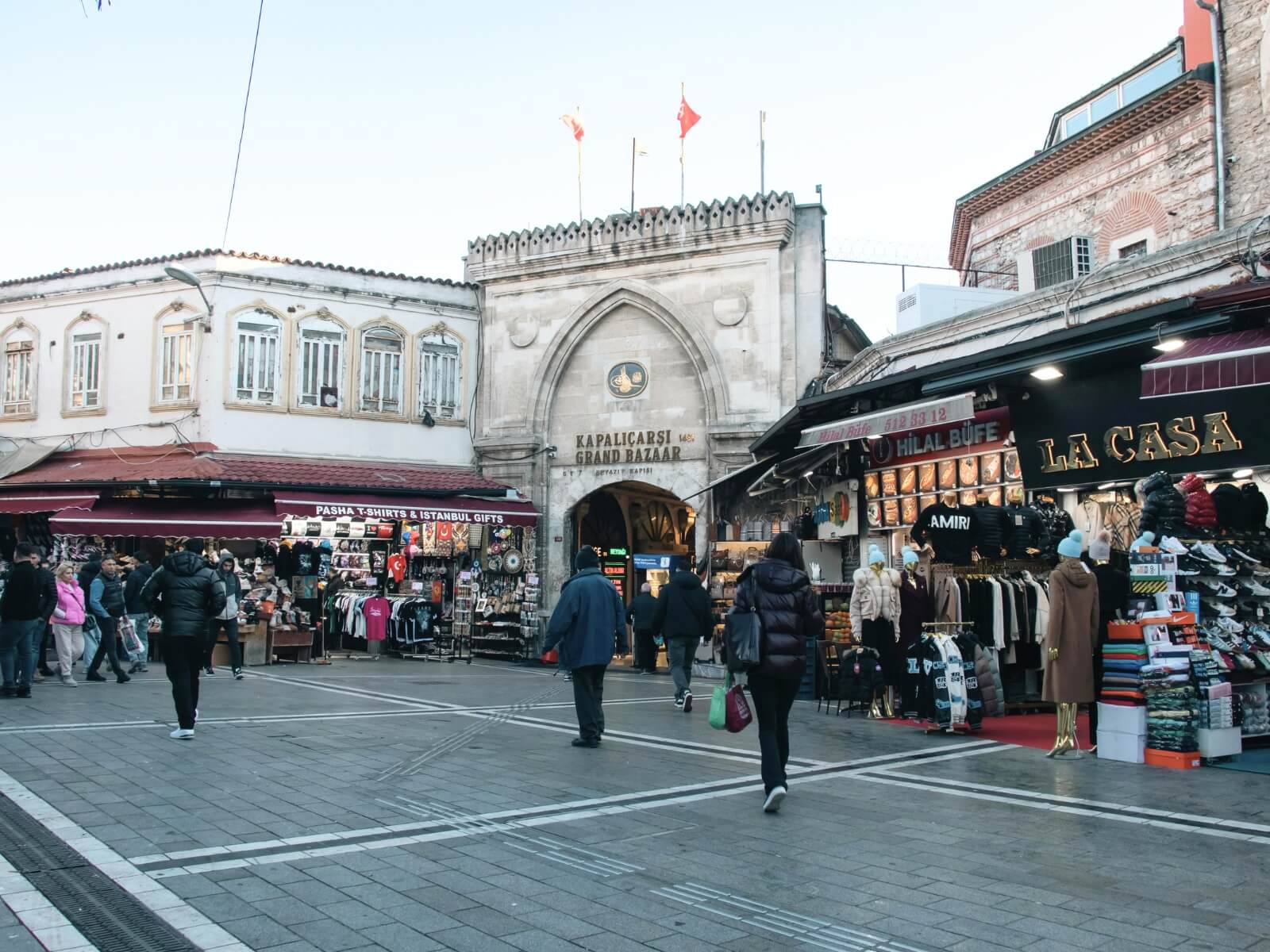
Located in Fatih near Beyazıt and Sultanahmet, the Grand Bazaar sits within one of the city’s oldest and most historically layered districts. The surrounding streets connect directly to mosques, tea houses, historic hans, street food vendors, tram lines, and steep roads leading toward the Golden Horn.
The area outside the bazaar feels deeply connected to Istanbul’s older commercial identity. Porters move goods through narrow streets, small restaurants fill with local workers during lunch hours, and traditional shops continue operating beside modern tourist infrastructure. The contrast between everyday local trade and international tourism gives the district much of its energy.
Many visitors combine the Grand Bazaar with nearby landmarks such as Süleymaniye Mosque, Spice Bazaar, or the historic streets around Eminönü. But the bazaar itself often becomes the strongest memory because of how immersive the experience feels compared to more structured attractions.
Early mornings usually offer the calmest atmosphere, while afternoons become significantly more crowded and social. Even visitors who do not plan to shop heavily often spend hours wandering through the passages simply because the market feels like its own city within Istanbul.