
Adventurous | Lively | Local Favorite
2–3 hours
Free
Fatih
Culture Lovers | First-Time Visitors | Friends | Solo Travelers
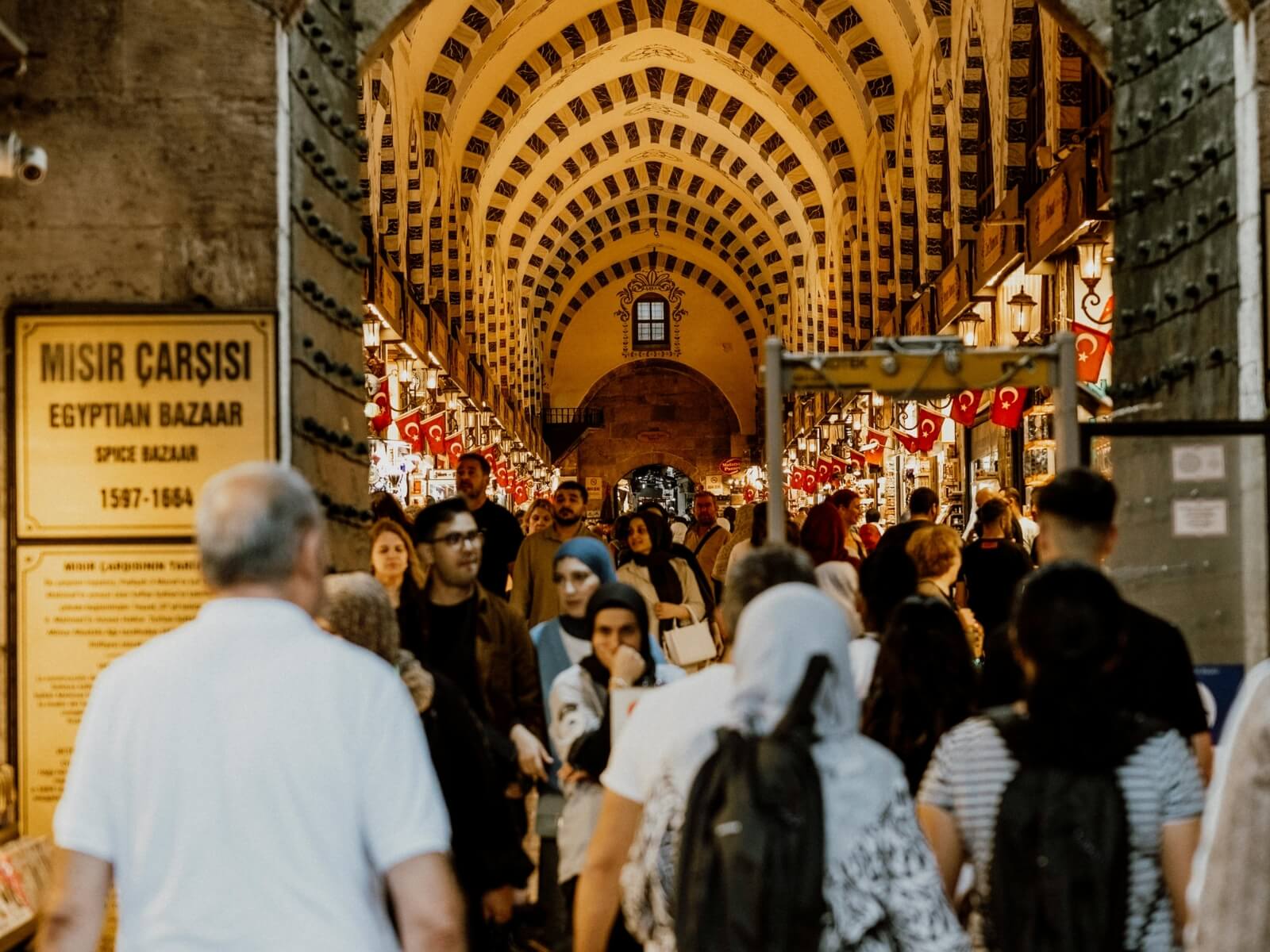
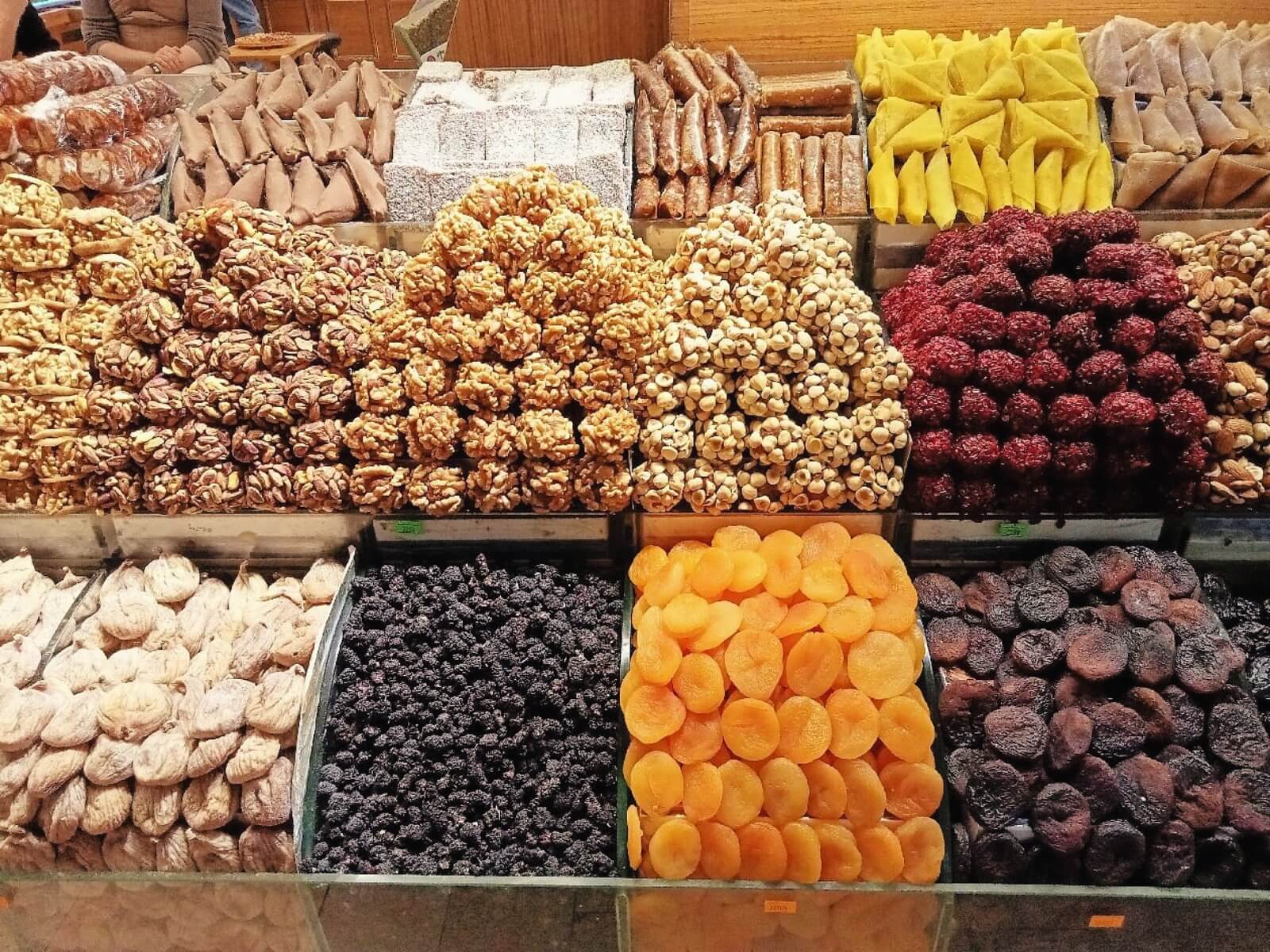
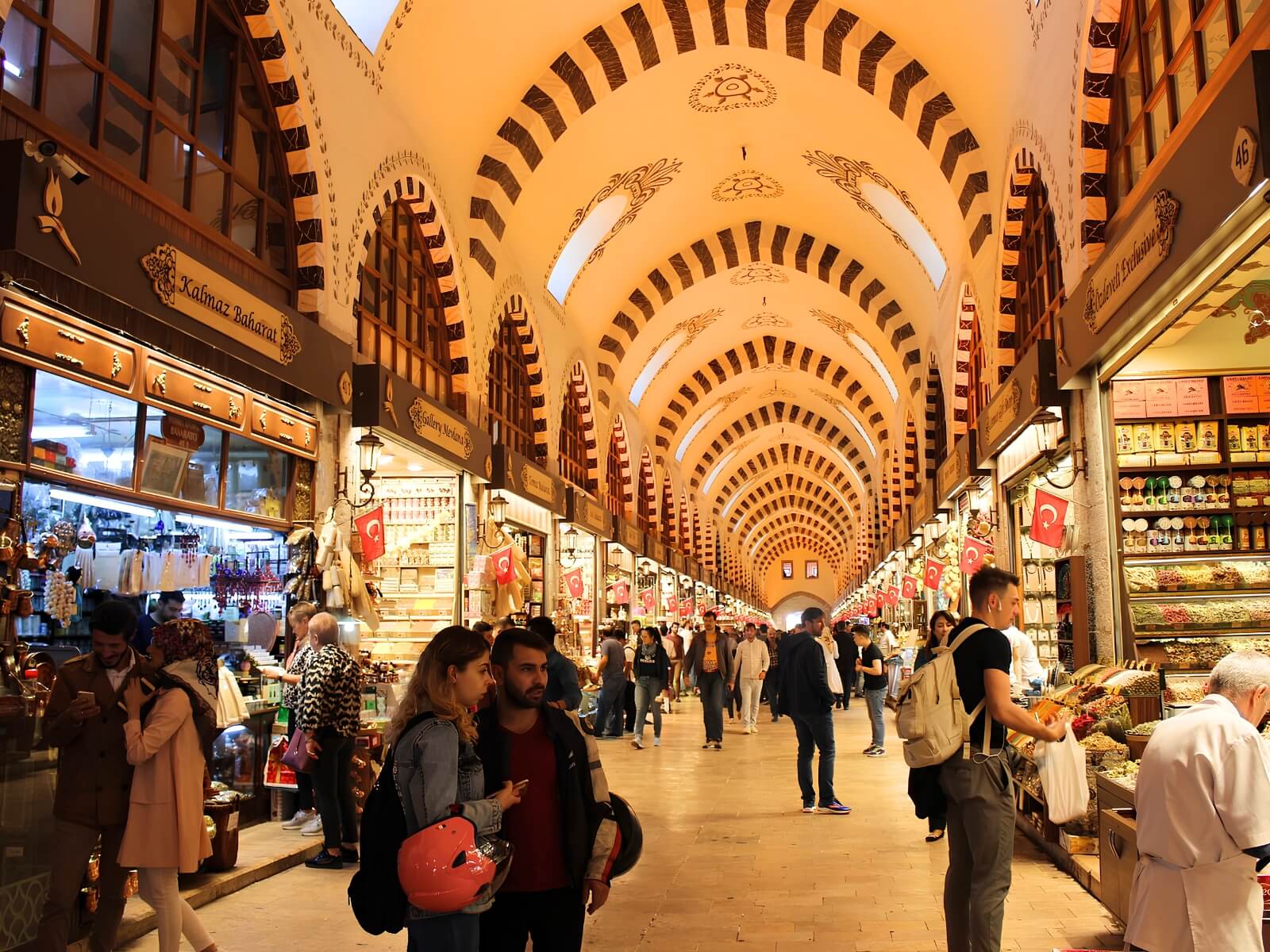
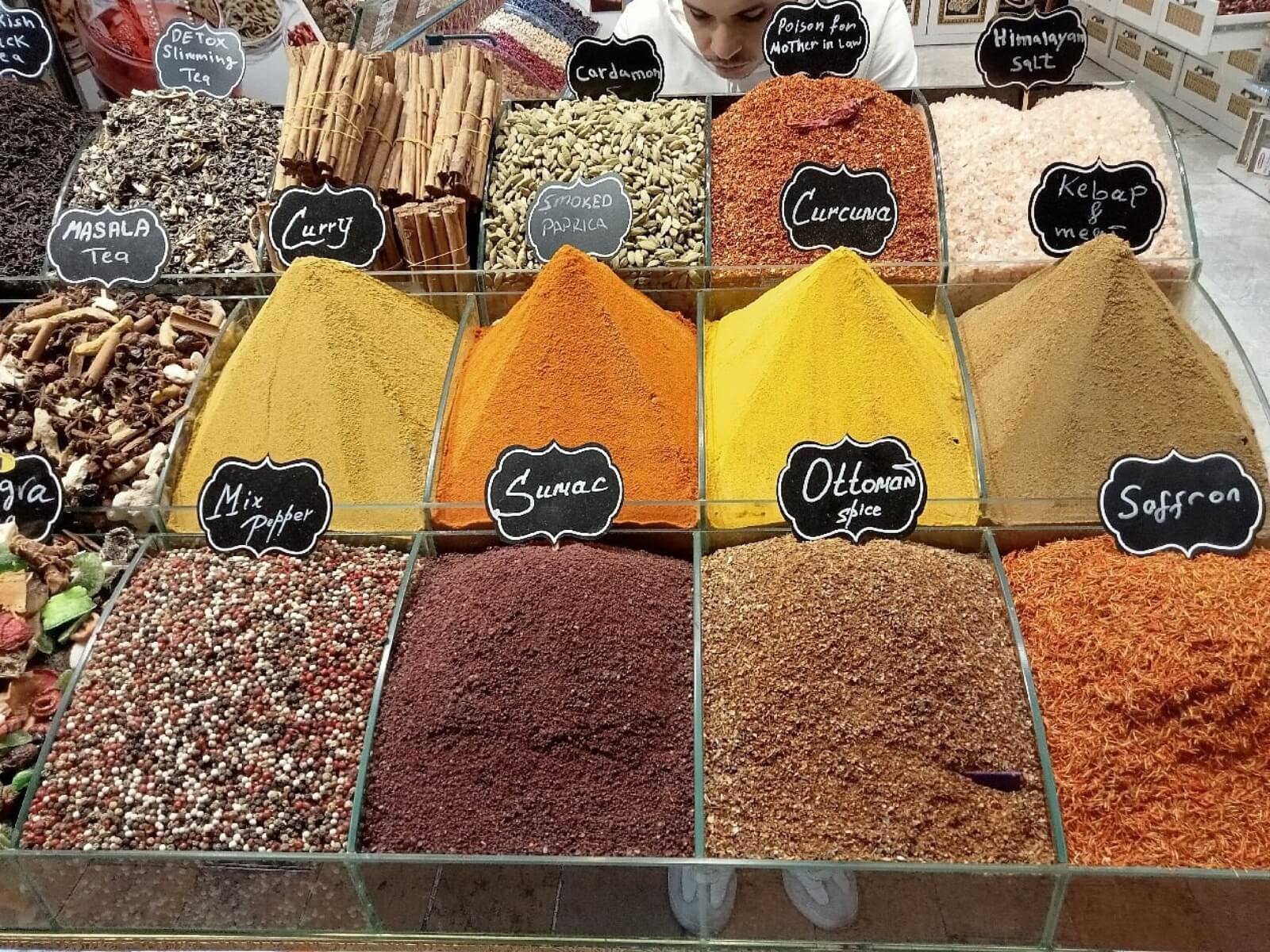
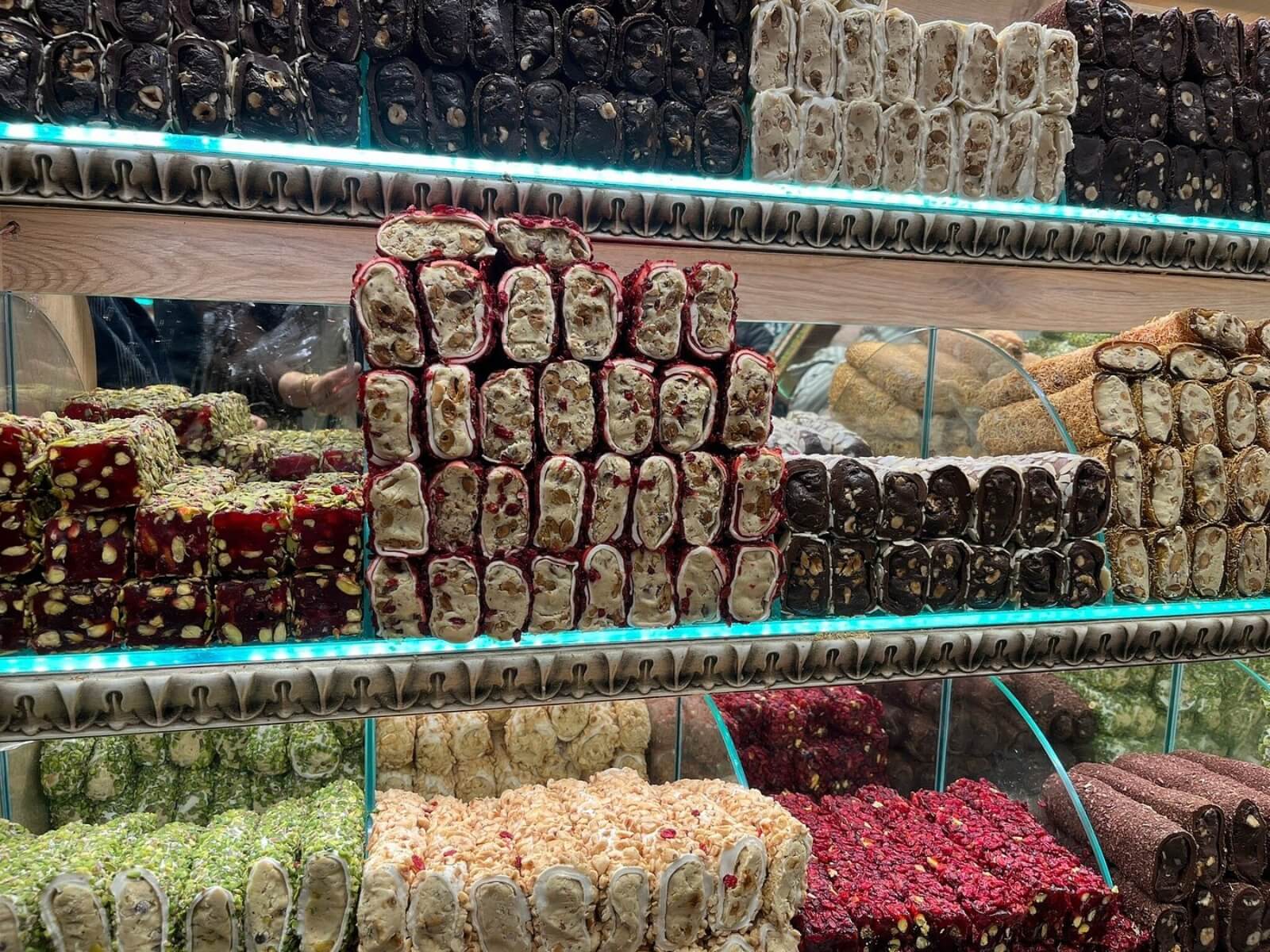
Walking through the Spice Bazaar feels immersive almost immediately. Pyramids of saffron, sumac, dried fruit, herbal teas, Turkish delight, nuts, and colorful spices line narrow corridors while shopkeepers offer samples and conversations move constantly between Turkish, Arabic, English, and dozens of other languages.
The atmosphere feels energetic but more compact and approachable than the Grand Bazaar. Visitors can move slowly through the market while observing details — copper scoops resting inside spice barrels, hanging dried peppers, handwritten tea labels, old wooden storefronts, and the scent of coffee and cinnamon drifting through the corridors.
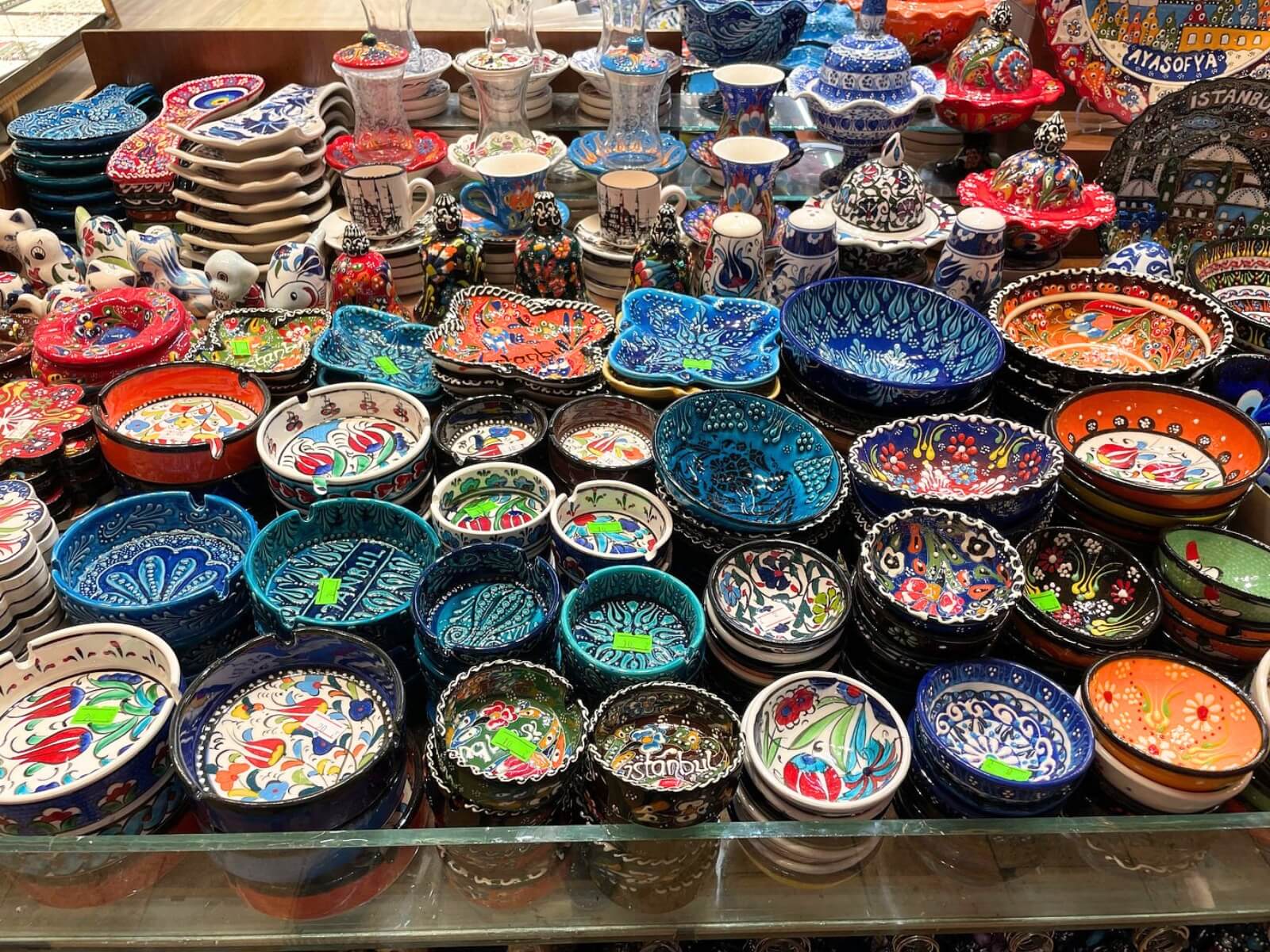
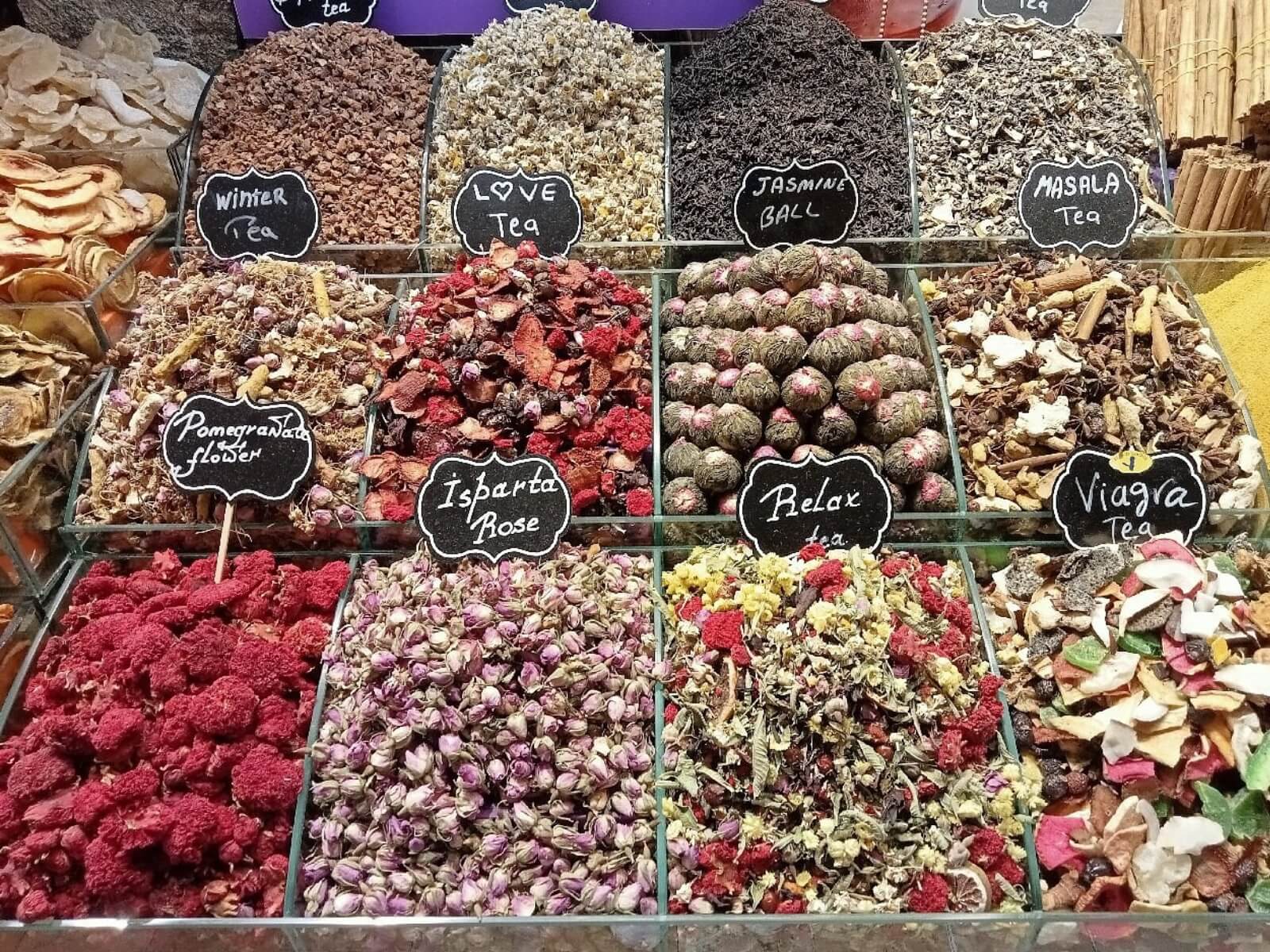
What makes the bazaar memorable is not only shopping itself, but the cultural routines surrounding food and hospitality. Tea culture plays a major role here. Shops specialize in herbal blends, apple tea, Ottoman-inspired mixtures, and traditional Turkish products connected to everyday domestic life rather than purely souvenir culture.
Despite the strong tourist presence, the market still functions as an active local commercial space. Restaurant owners, locals shopping for spices, and long-established merchants continue shaping the atmosphere alongside international visitors exploring the historic corridors for the first time.
The covered ceilings and historic stone architecture also soften the outside noise of Eminönü, creating an environment that feels dense and atmospheric without becoming overwhelming. During quieter morning hours especially, the market carries a distinctly old-Istanbul feeling.
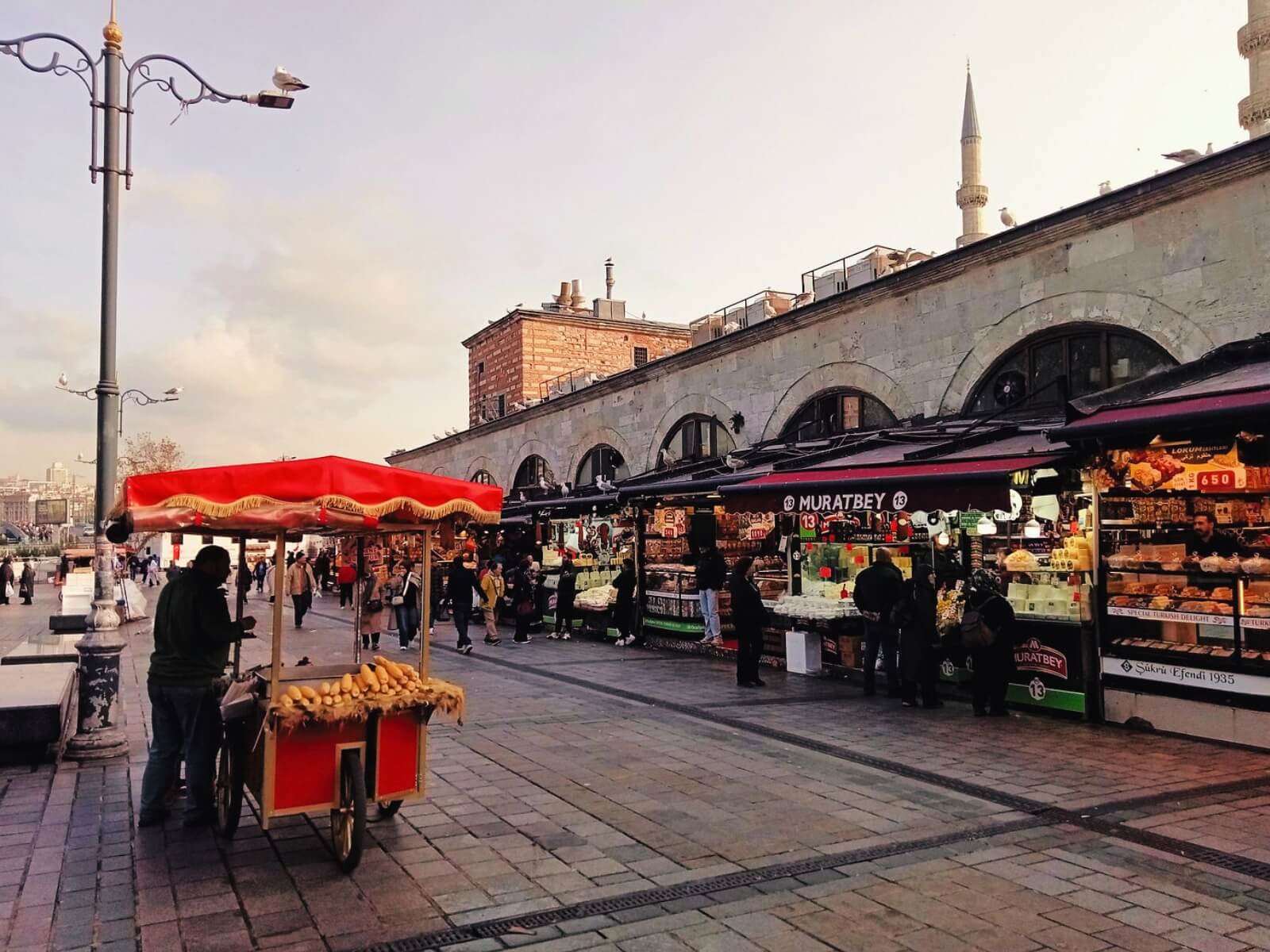
Located in Fatih near Eminönü and the Galata Bridge, the Spice Bazaar sits inside one of the city’s busiest transportation and commercial areas. Ferries arrive constantly nearby while street vendors, fish sandwich boats, mosques, tram lines, and crowded waterfront streets create a nonstop urban rhythm outside the market walls.
Many visitors combine the bazaar with nearby landmarks such as the New Mosque, the Grand Bazaar, Süleymaniye Mosque, or walks across Galata Bridge toward Karaköy. The surrounding district feels deeply tied to Istanbul’s historical trade identity, where maritime routes, marketplaces, and food culture continue overlapping in everyday city life.
The area changes noticeably throughout the day. Early mornings feel more local and business-oriented, while afternoons become significantly more crowded with tourists, shoppers, and commuters moving through Eminönü simultaneously.
Even visitors who do not intend to shop heavily often spend longer than expected inside the Spice Bazaar because the atmosphere itself becomes part of the attraction — a combination of sensory overload, historic architecture, and living market culture that still feels connected to Istanbul’s daily rhythm.