


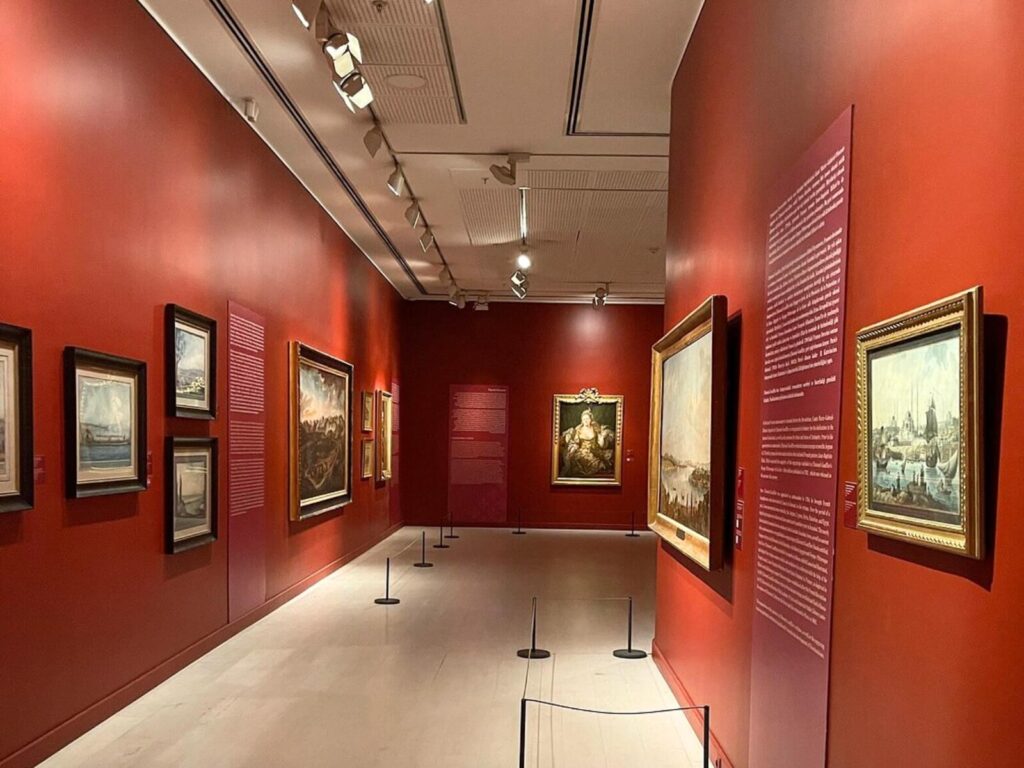
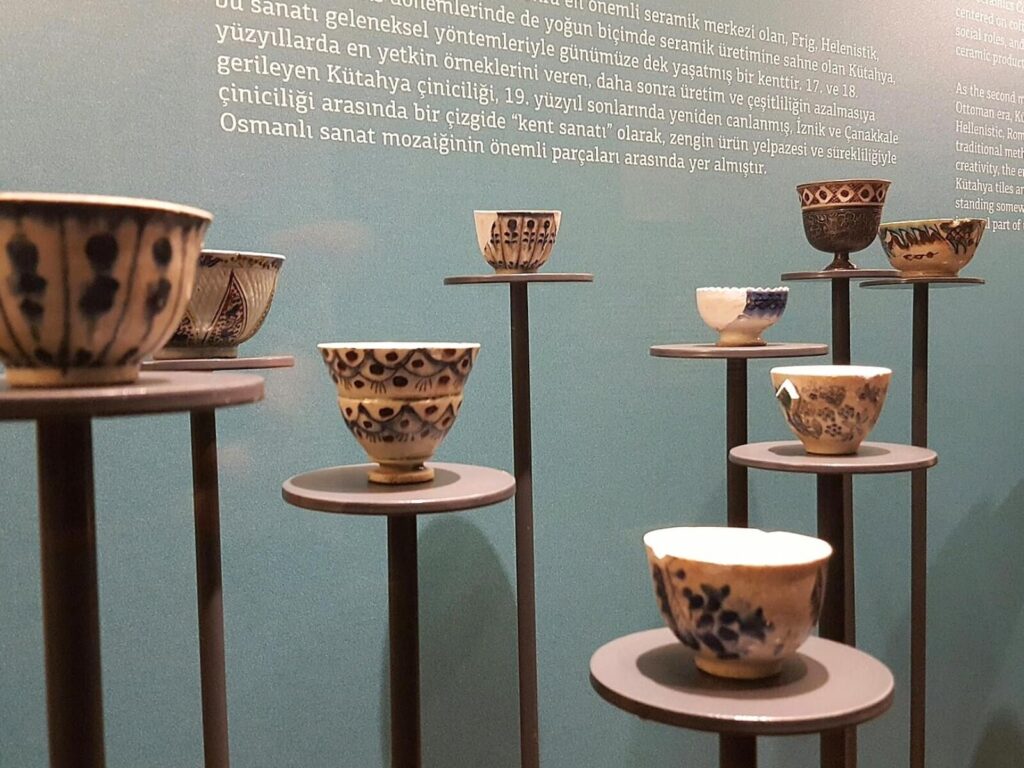
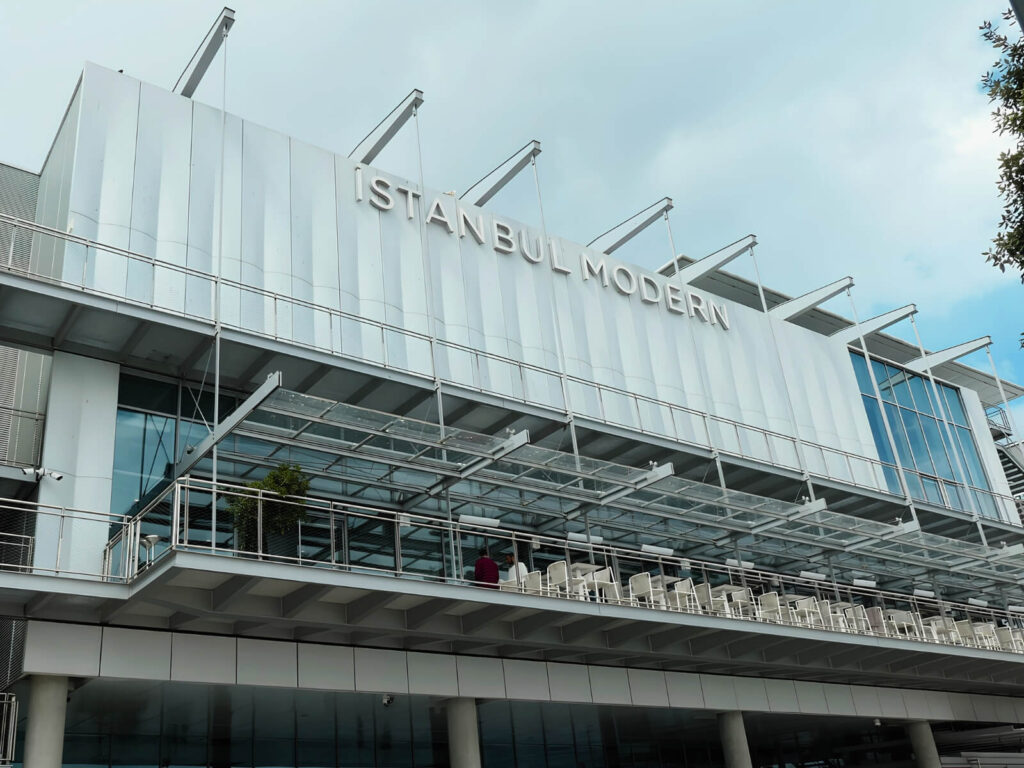
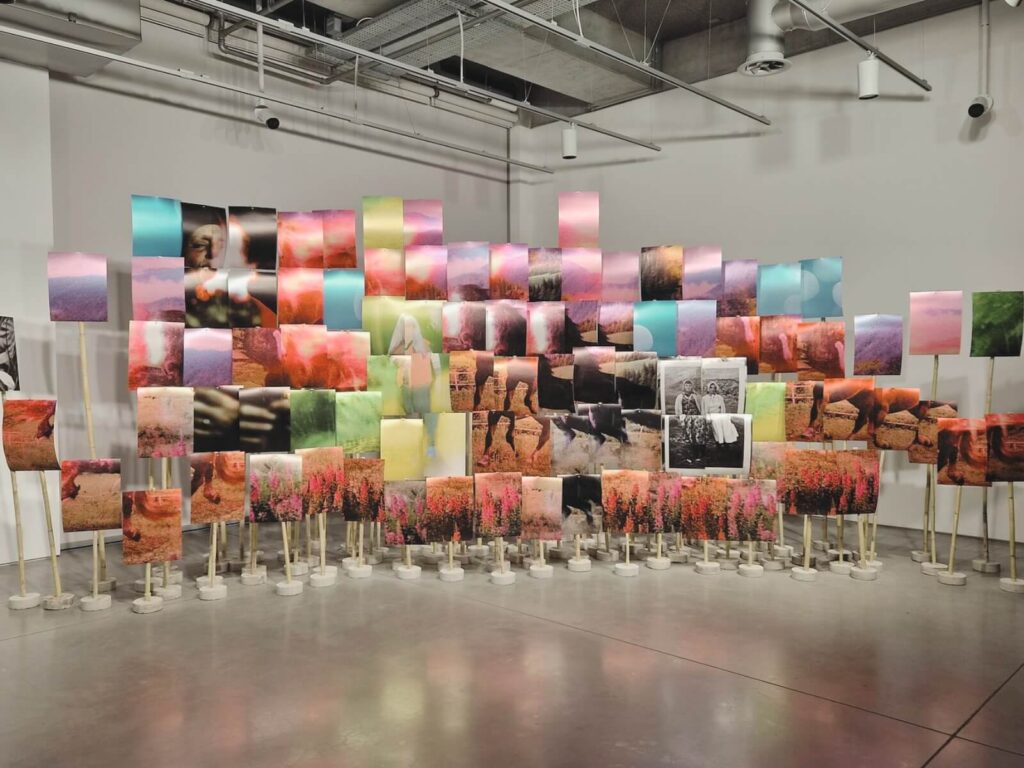
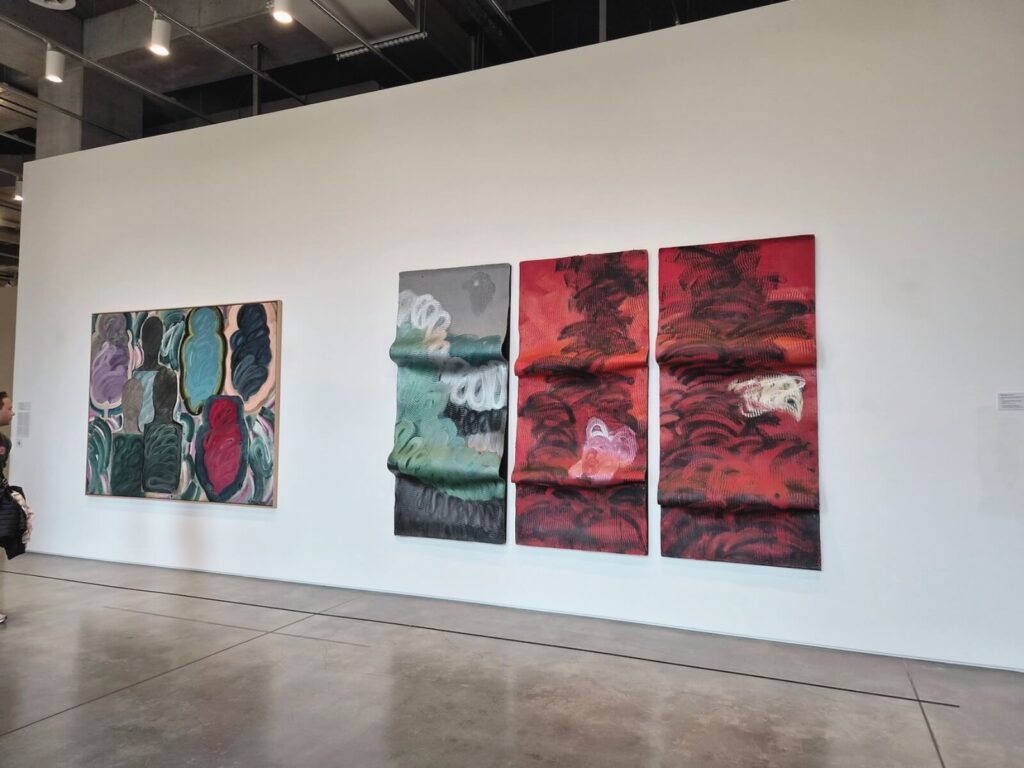
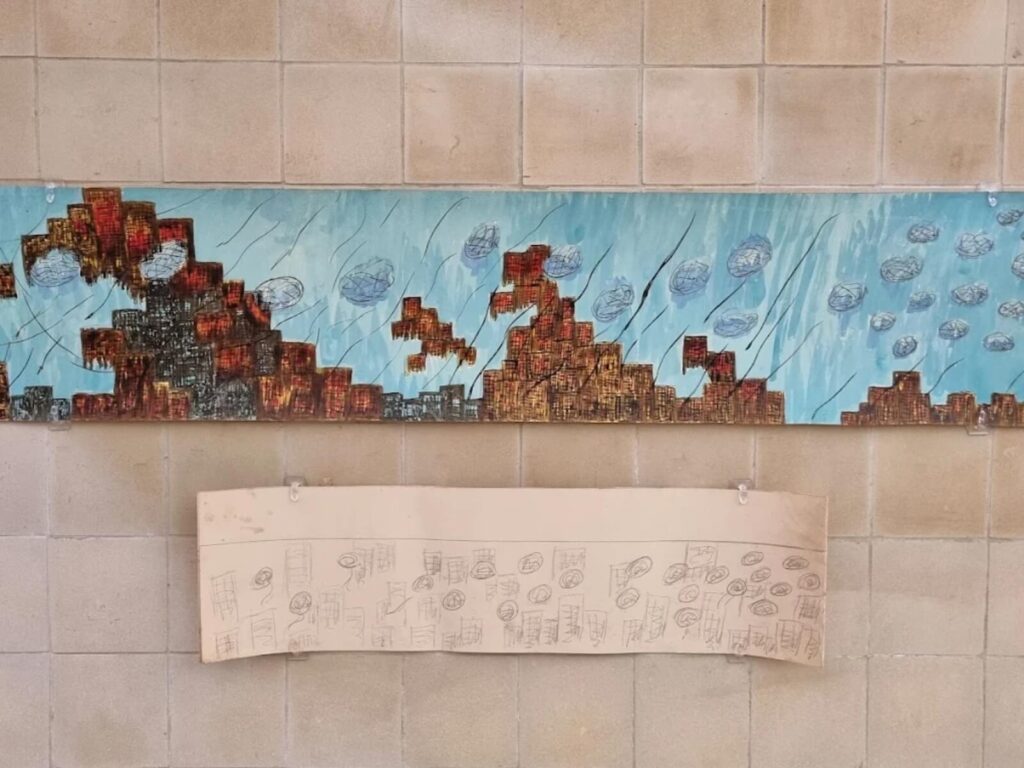
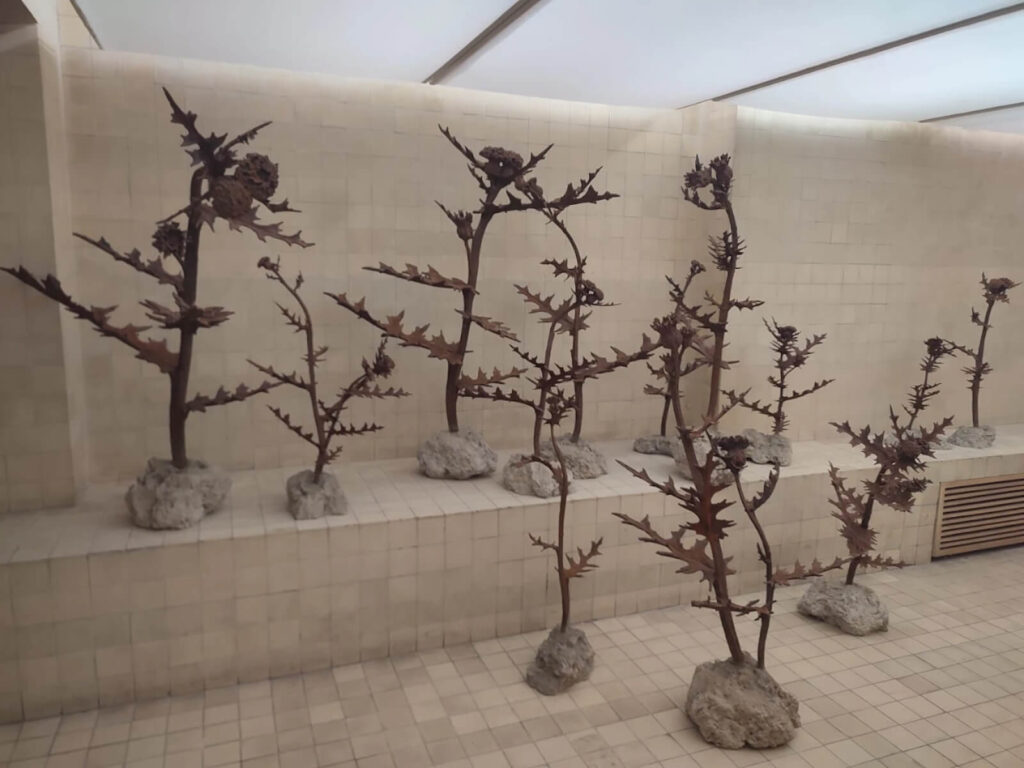
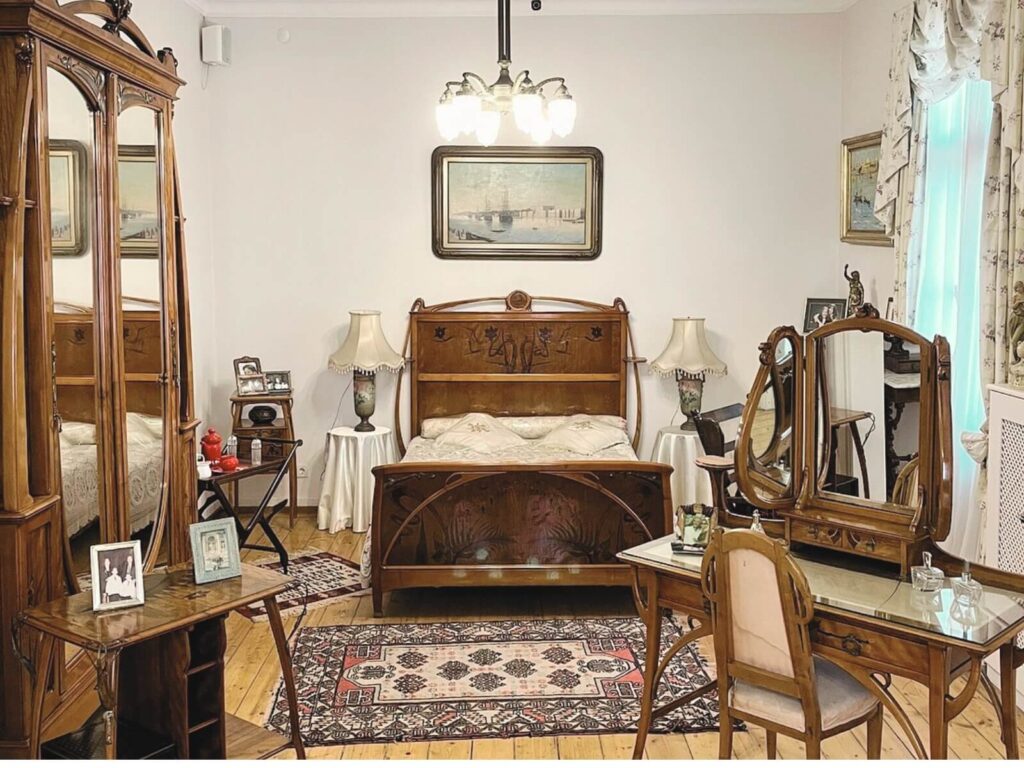
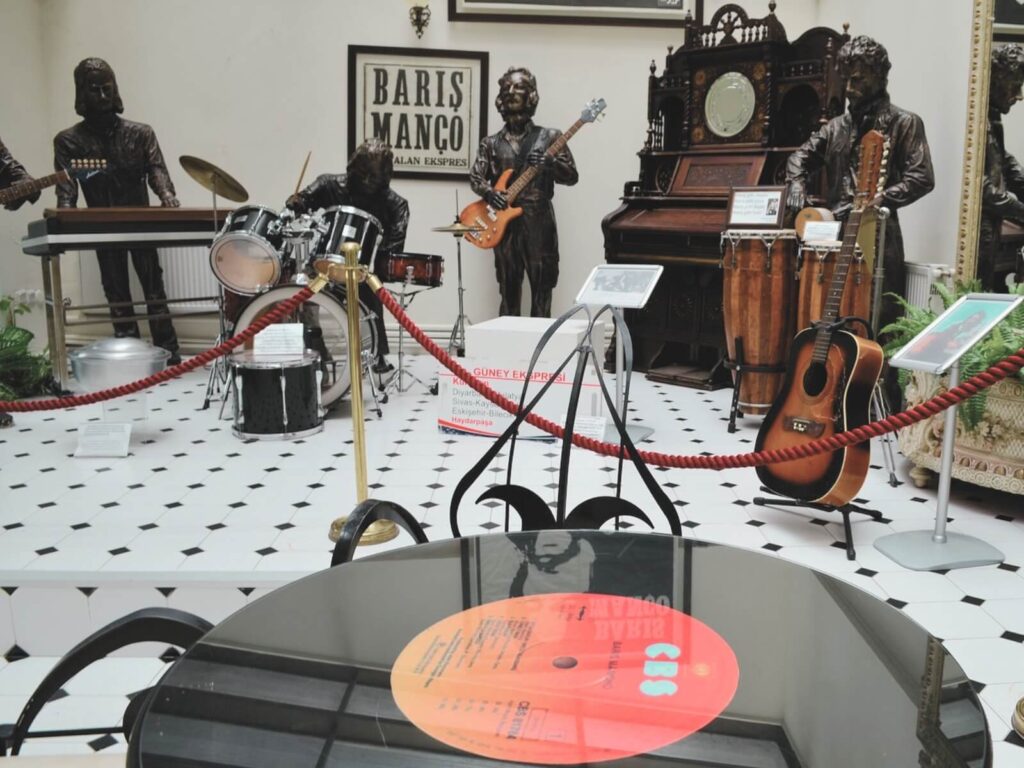
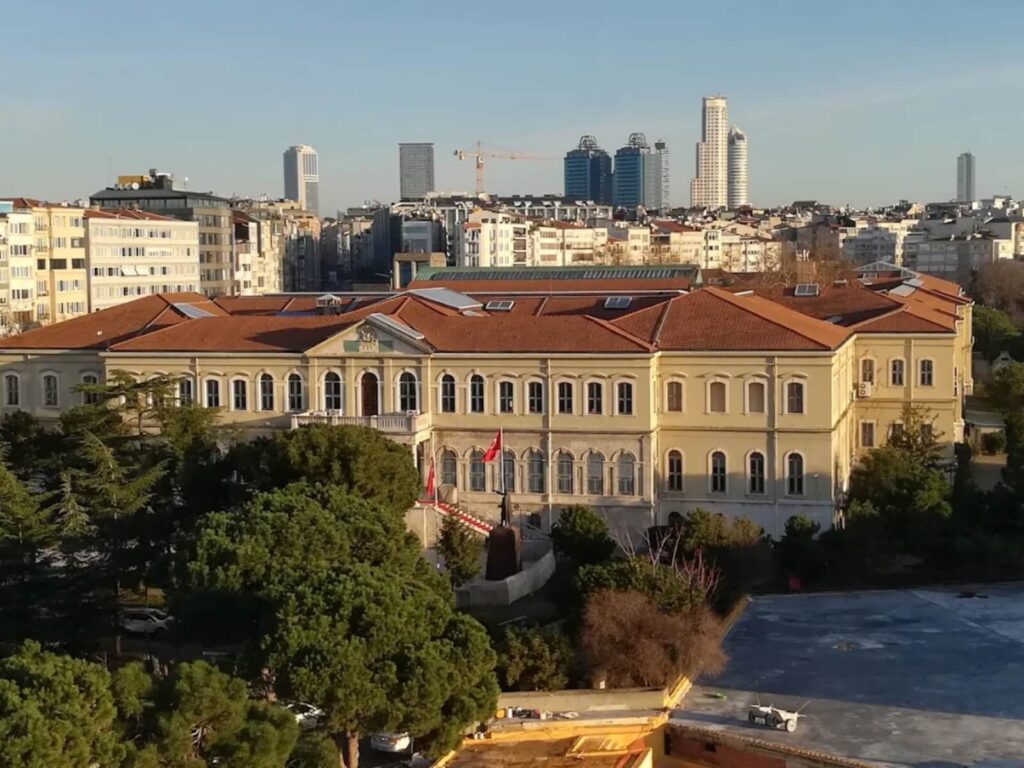

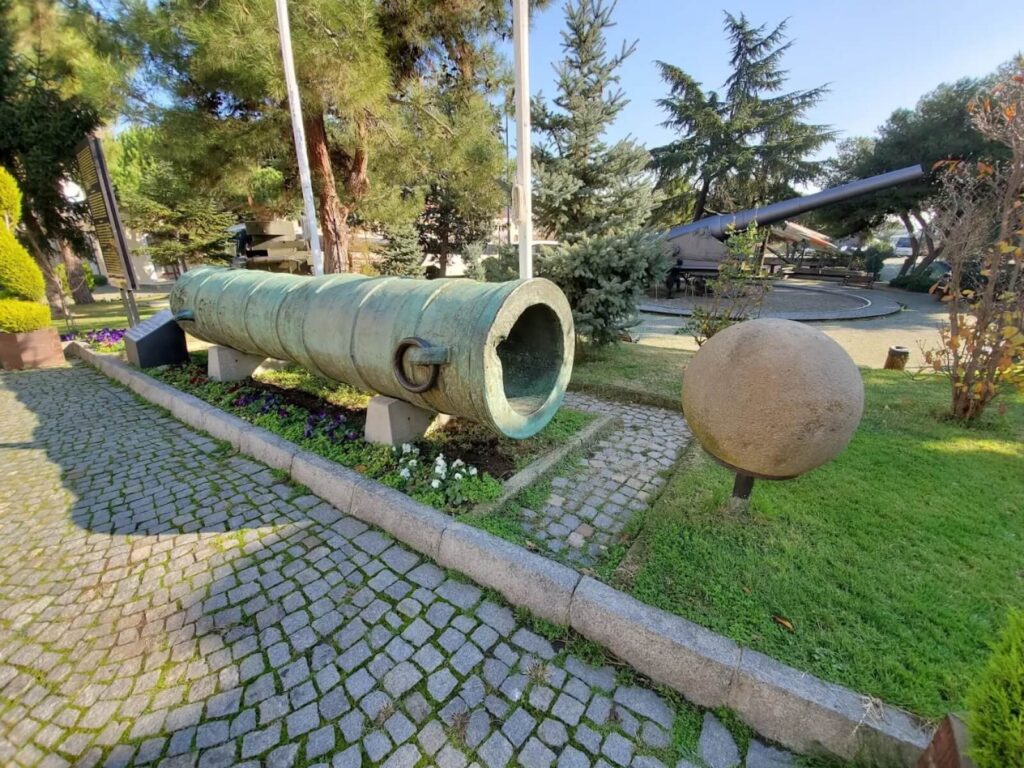
Istanbul’s museums and cultural attractions offer insight into one of the world’s most layered and historically complex cities. From Ottoman palaces and Byzantine landmarks to contemporary art museums, photography exhibitions, and independent cultural spaces, Istanbul’s cultural scene stretches far beyond traditional sightseeing. Whether you are interested in history, architecture, archaeology, modern art, or local creative culture, the city offers museums and cultural experiences for every type of traveler.
Whether you are interested in Ottoman heritage, Byzantine history, contemporary art, photography, literature, or experimental exhibitions, Istanbul offers cultural attractions suited to both first-time visitors and returning travelers looking to explore deeper layers of the city.
Explore our complete attractions collection and discover places by district, attraction duration, atmosphere, and whether they are better suited for first-time visitors or returning travelers to find the right experiences for your trip.
Culture and museums play an essential role in understanding Istanbul beyond its famous skyline and historic landmarks. As a city shaped by Byzantine, Ottoman, European, and modern Turkish influences, Istanbul offers an unusually diverse cultural landscape that spans centuries of history and multiple artistic traditions.
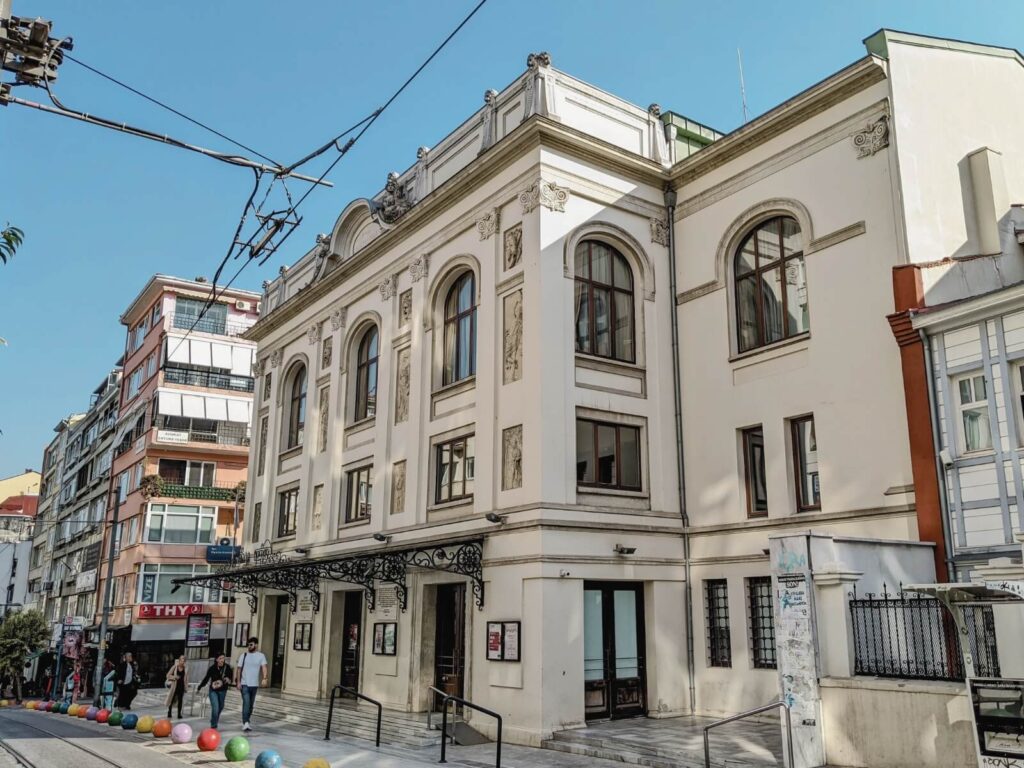
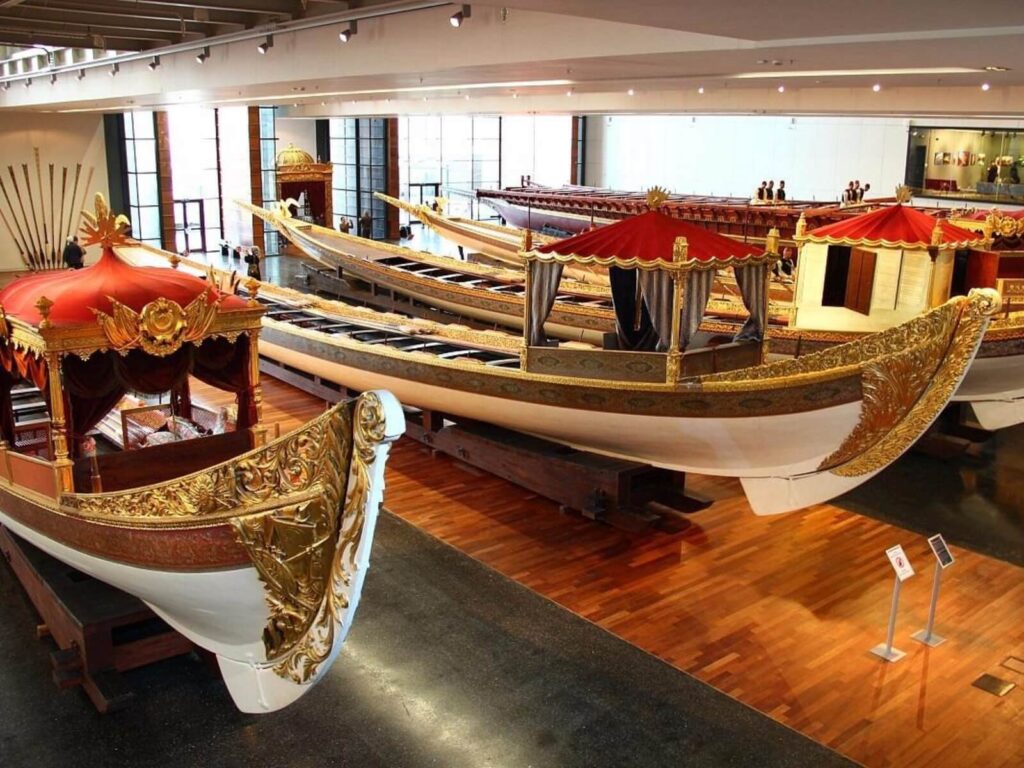
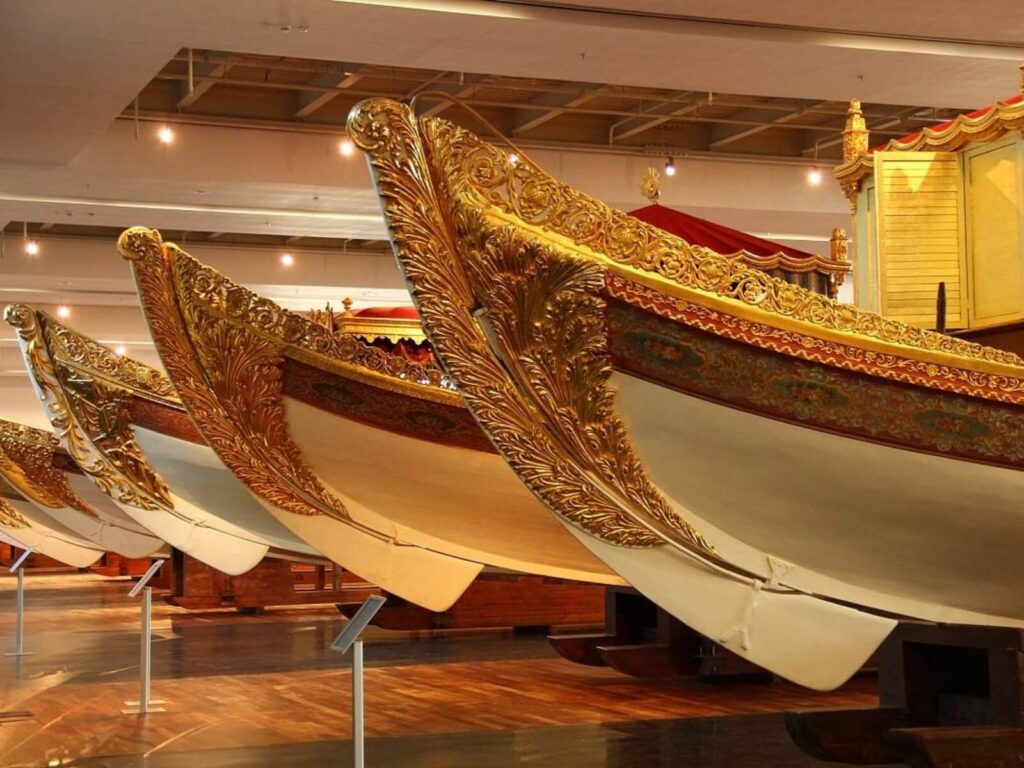
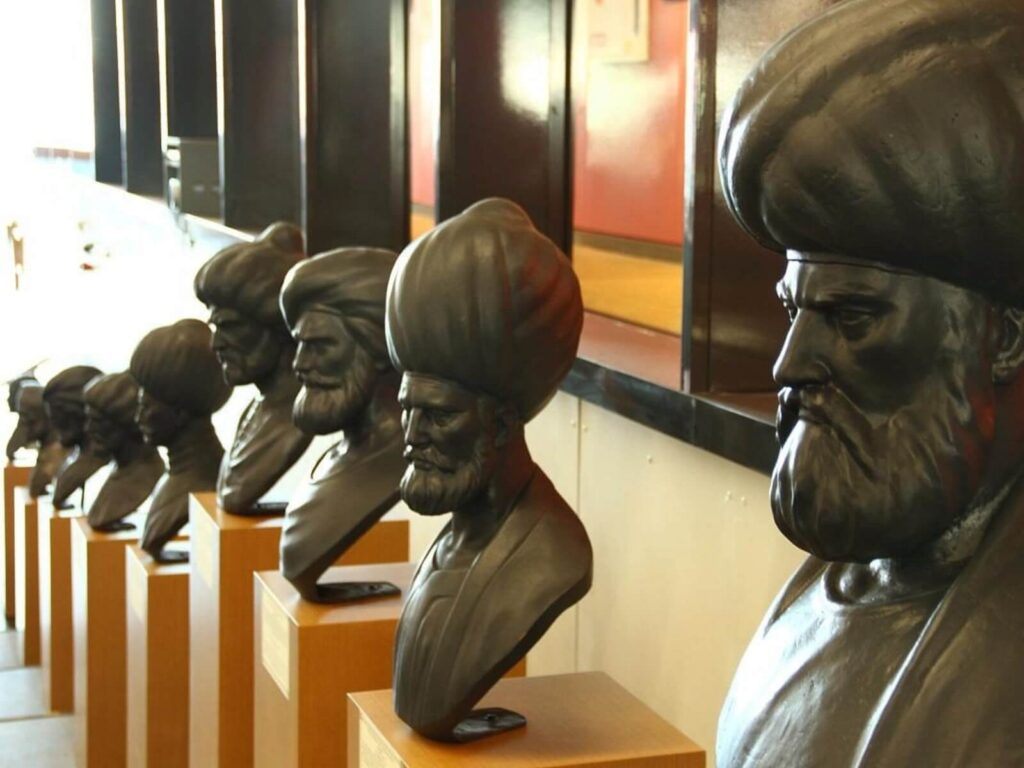
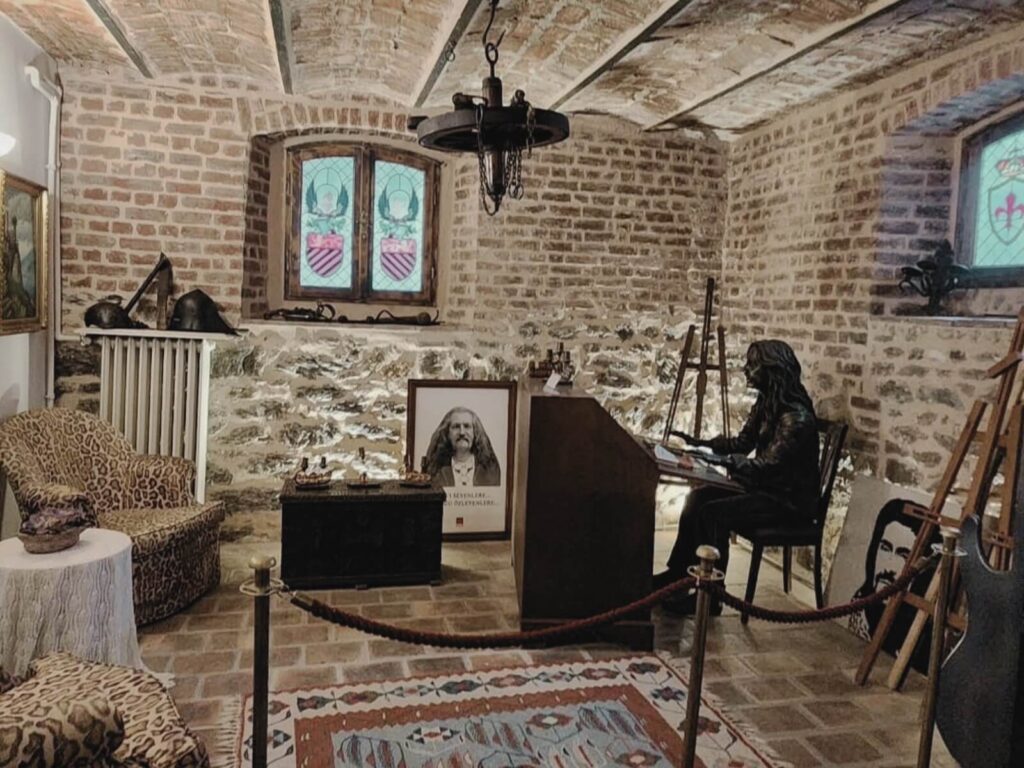
Across districts such as Fatih, Beyoğlu, Beşiktaş, Kadıköy, and along the Bosphorus, visitors can explore museums dedicated to archaeology, Ottoman history, modern art, photography, literature, religion, and contemporary culture. Some institutions are housed inside historic palaces and former imperial buildings, while others occupy modern architectural spaces designed around contemporary exhibitions and creative programming.
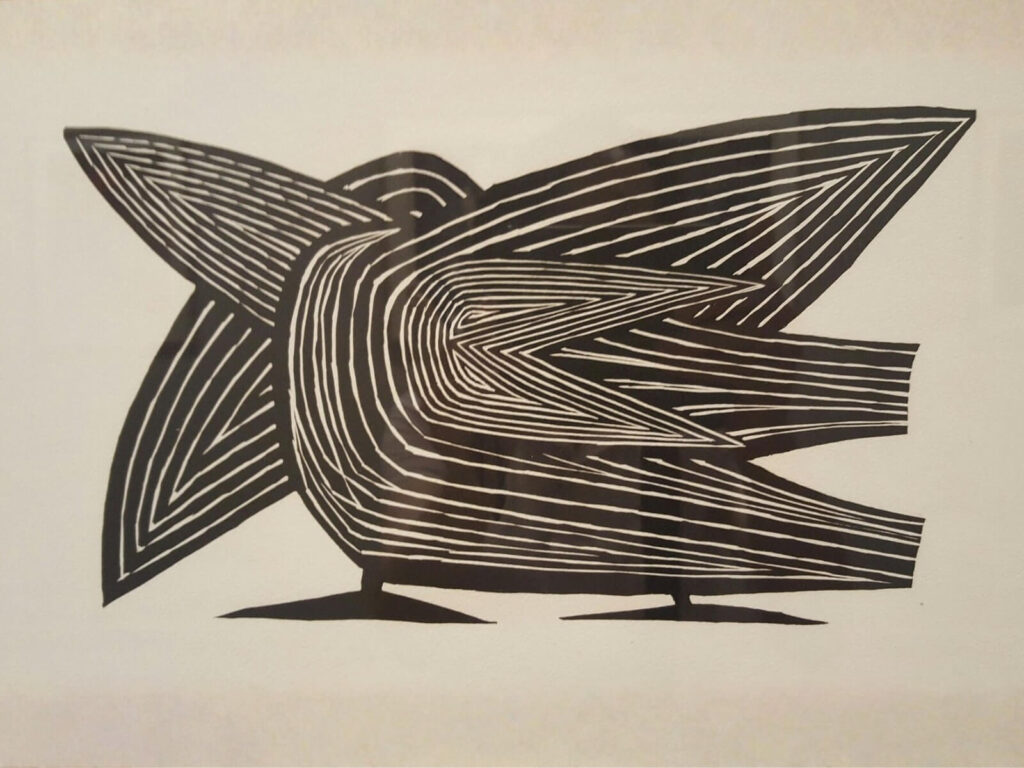
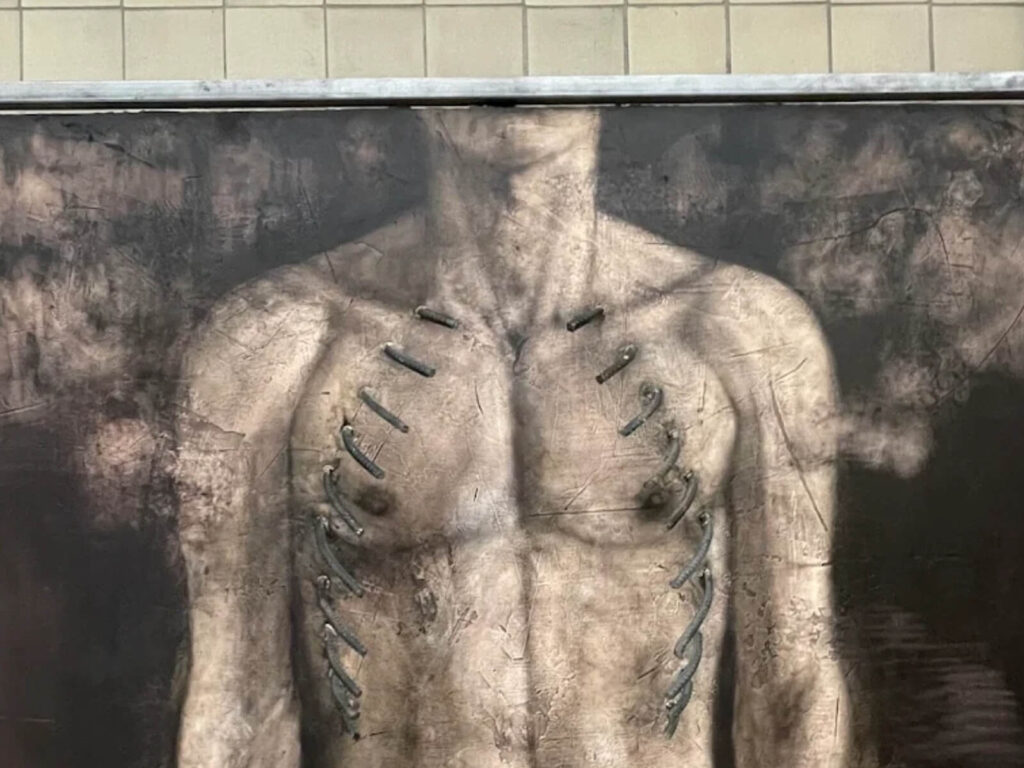
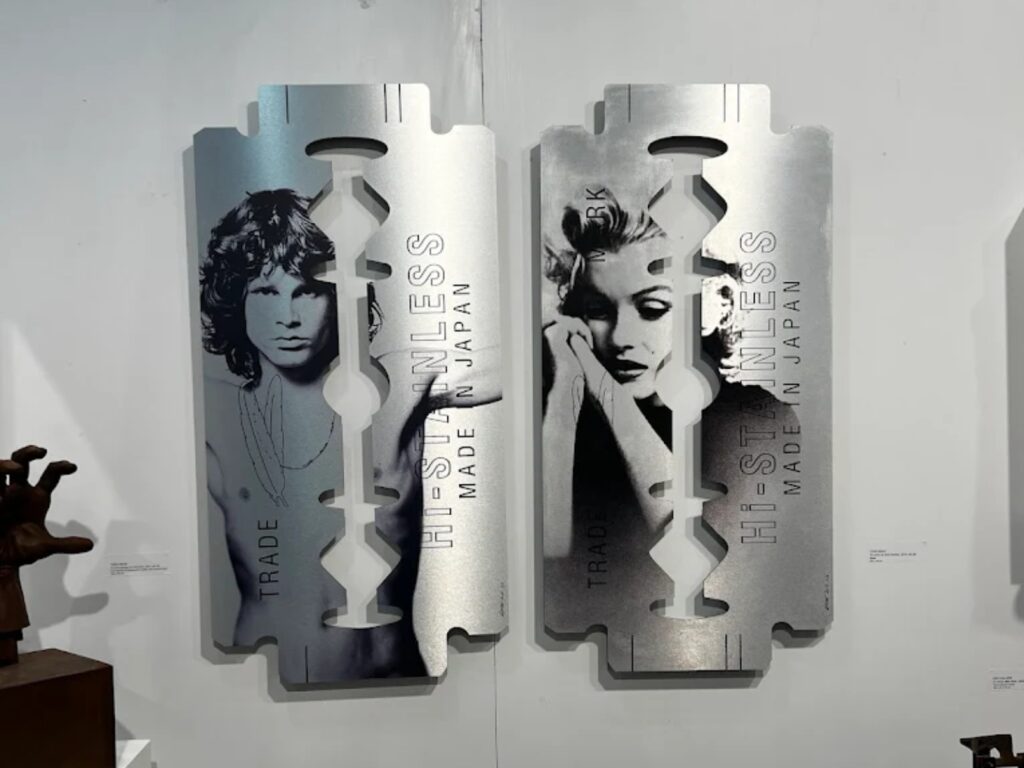
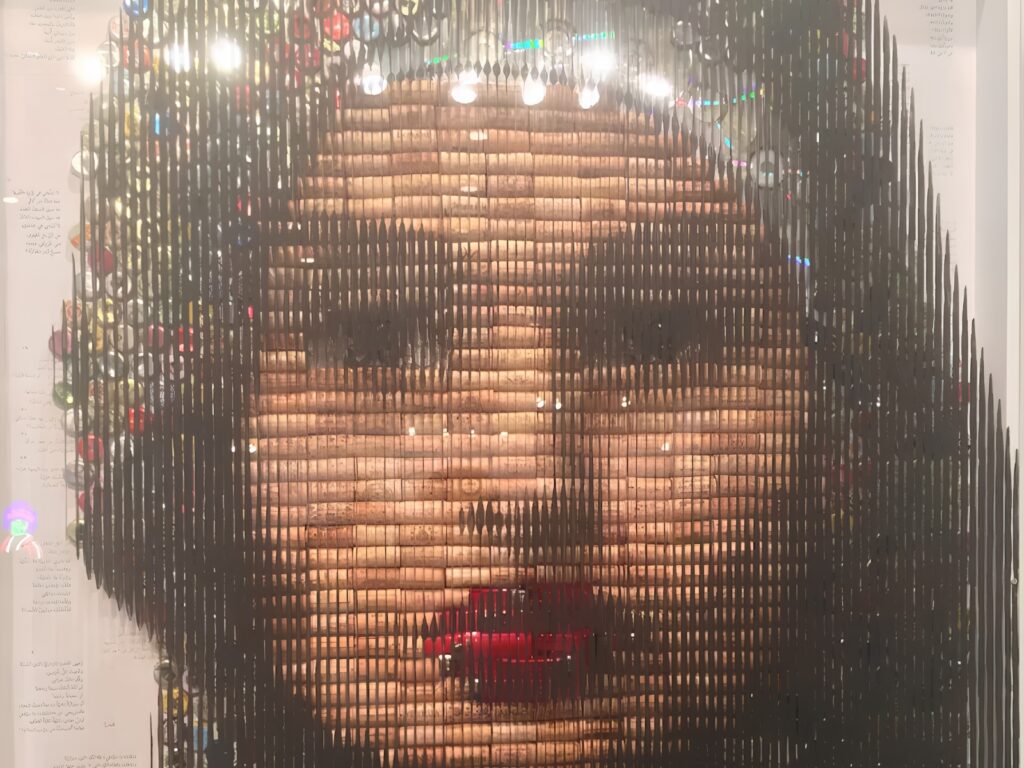
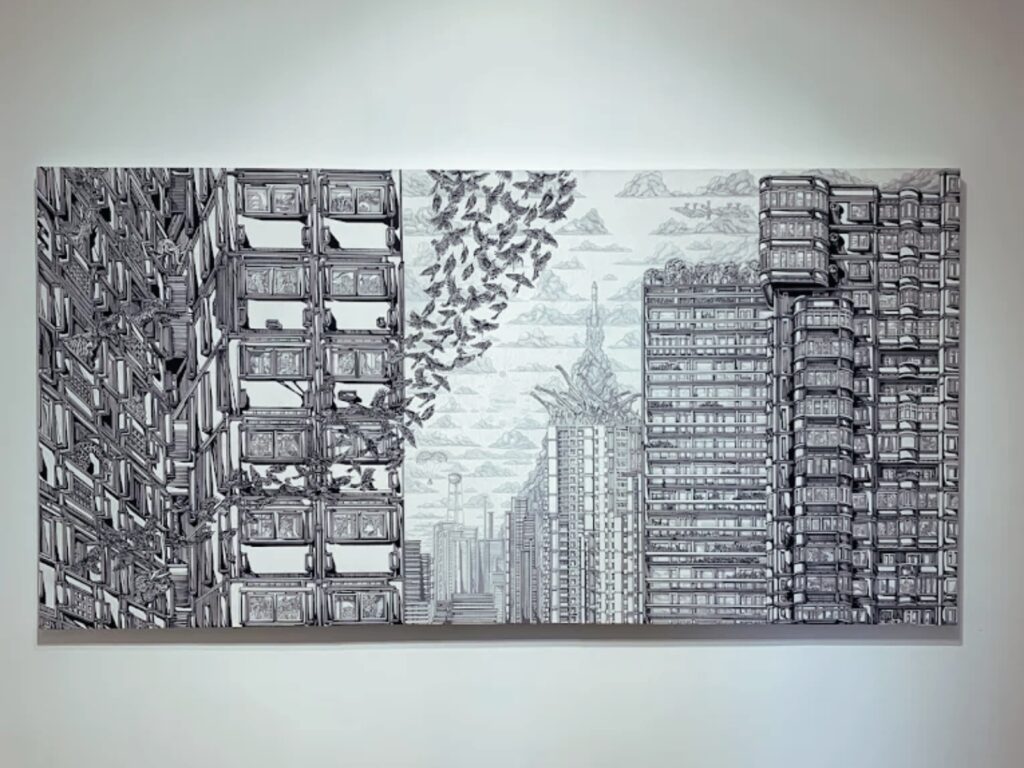
Istanbul’s cultural attractions vary greatly in atmosphere. Large national museums and palace complexes often focus on imperial history, architecture, and historical collections, while smaller galleries and independent art spaces reflect the city’s evolving creative scene. Contemporary art museums, cultural centers, and immersive exhibitions have also become increasingly important parts of Istanbul’s identity as an international cultural destination.
For many travelers, museums offer a slower and more reflective way to experience the city compared to Istanbul’s busy streets, bazaars, and nightlife areas. Visiting cultural institutions often helps place the city’s architecture, neighborhoods, food culture, and social life into a broader historical and cultural context.