

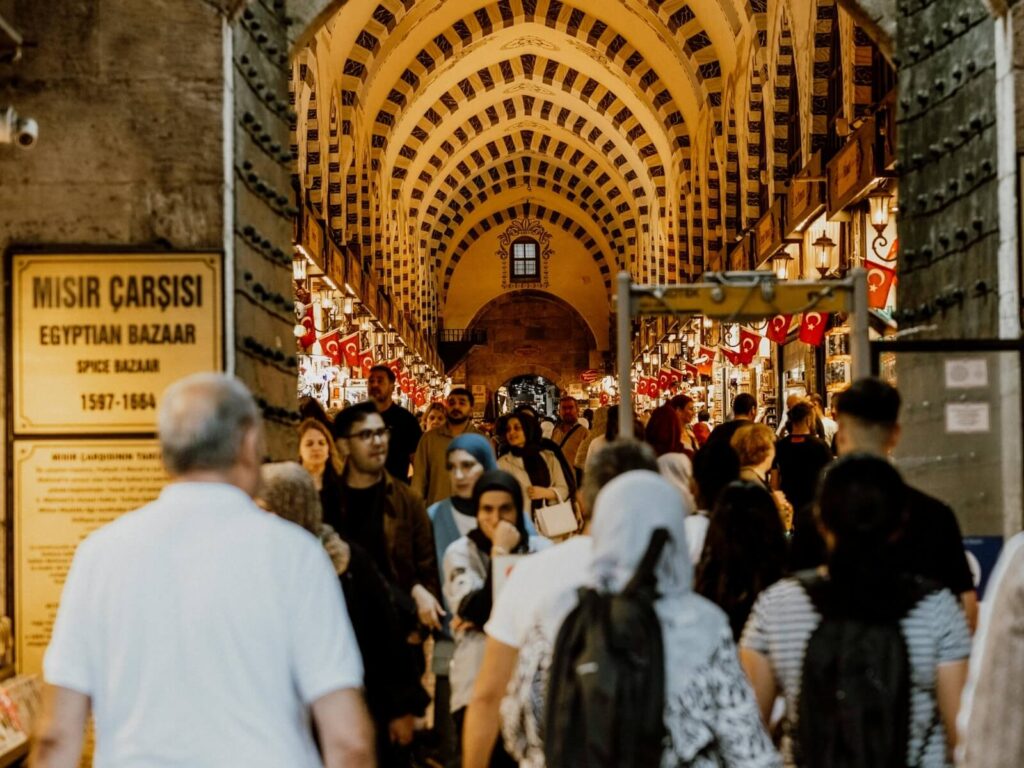
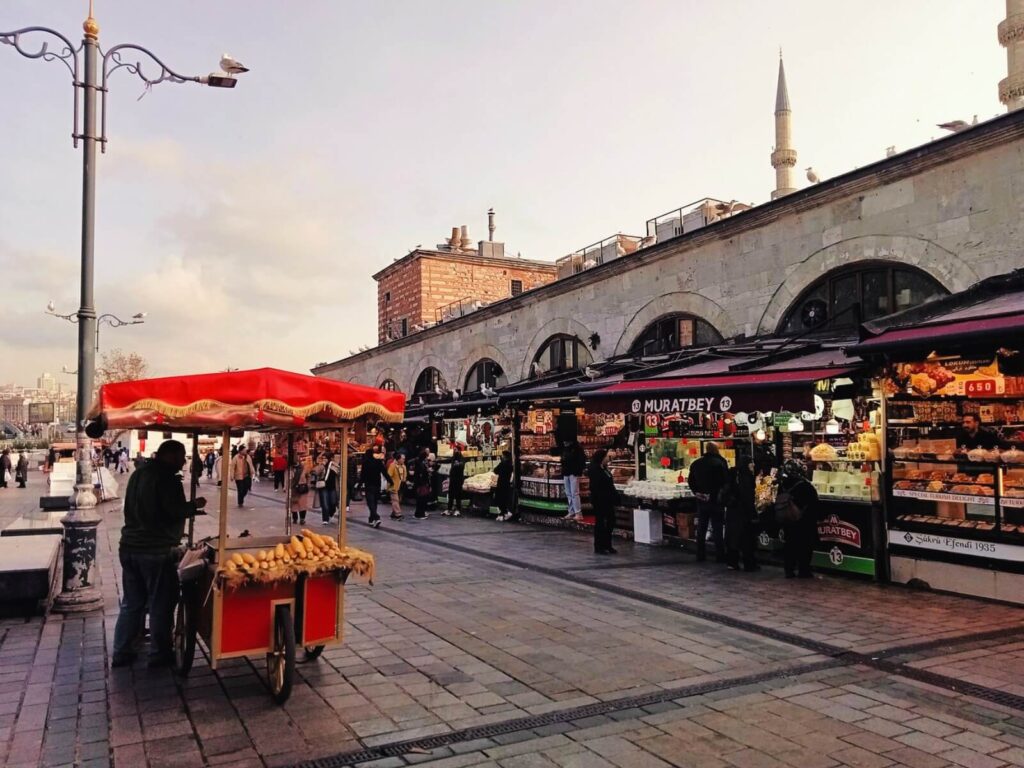
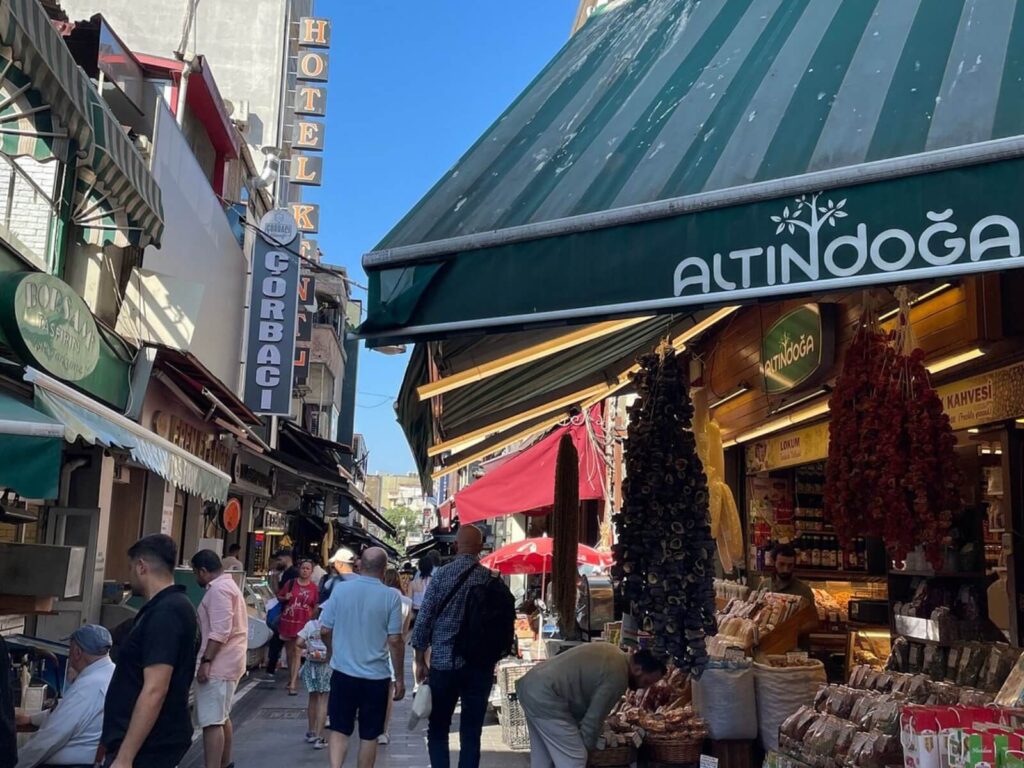
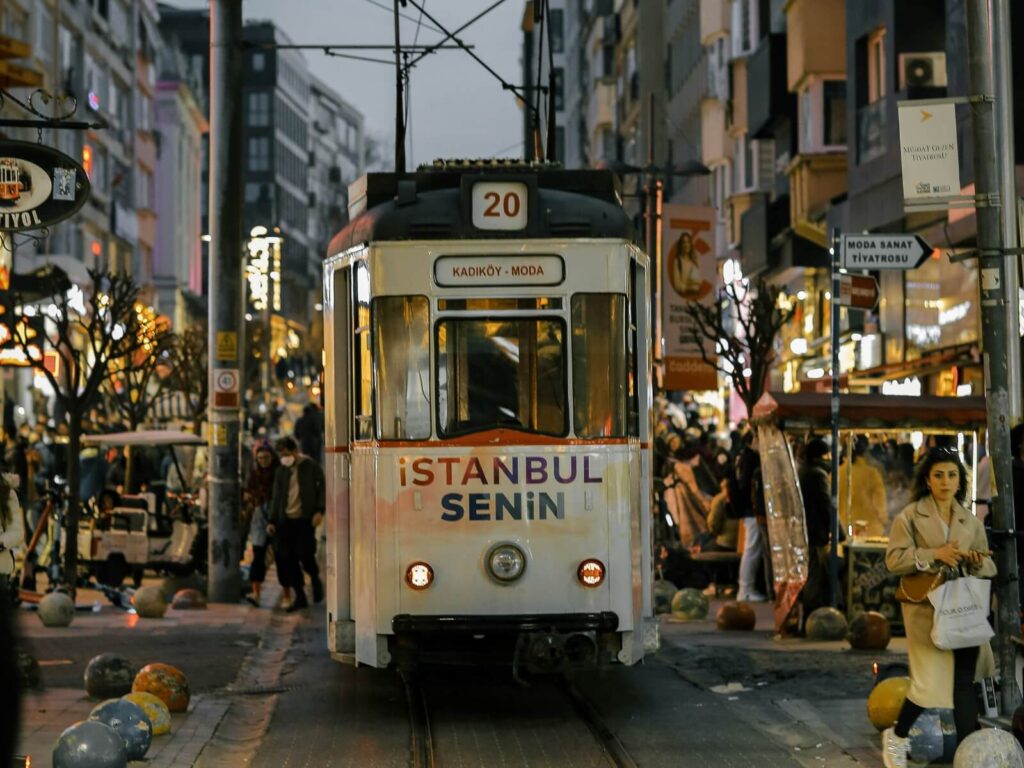
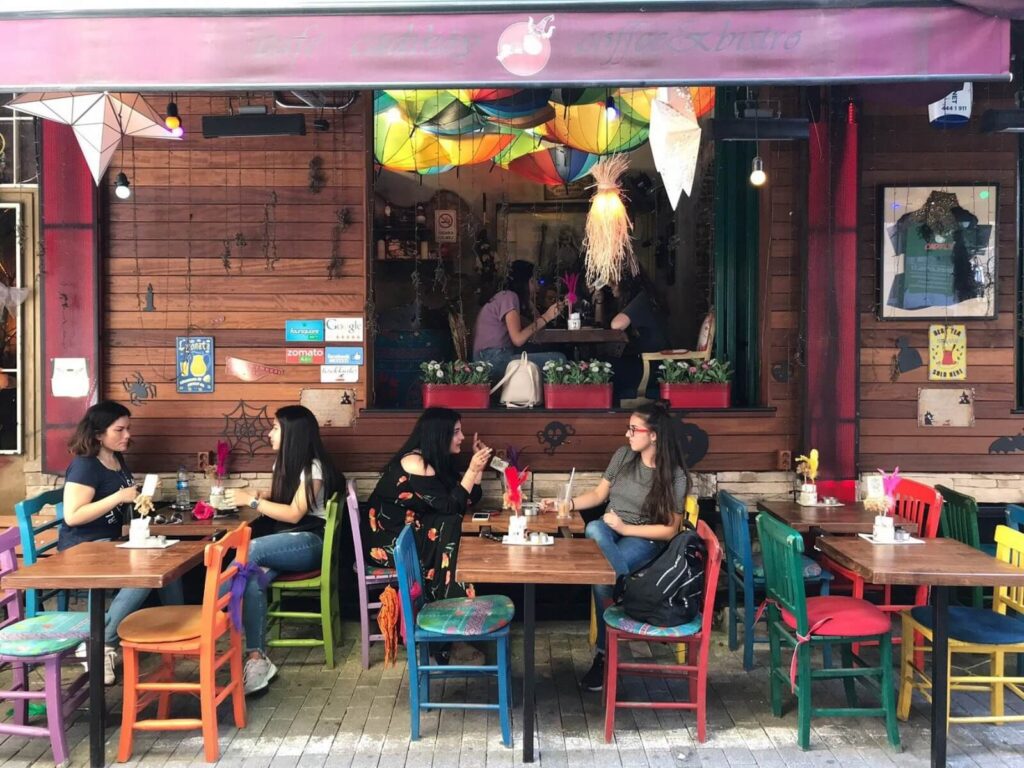
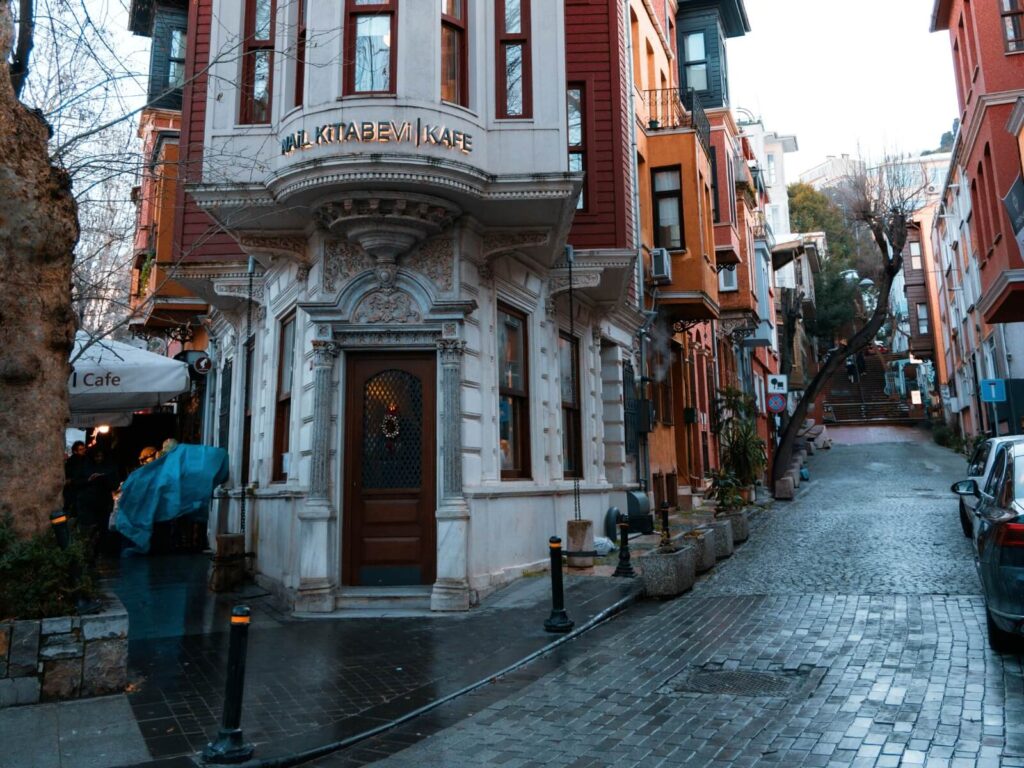
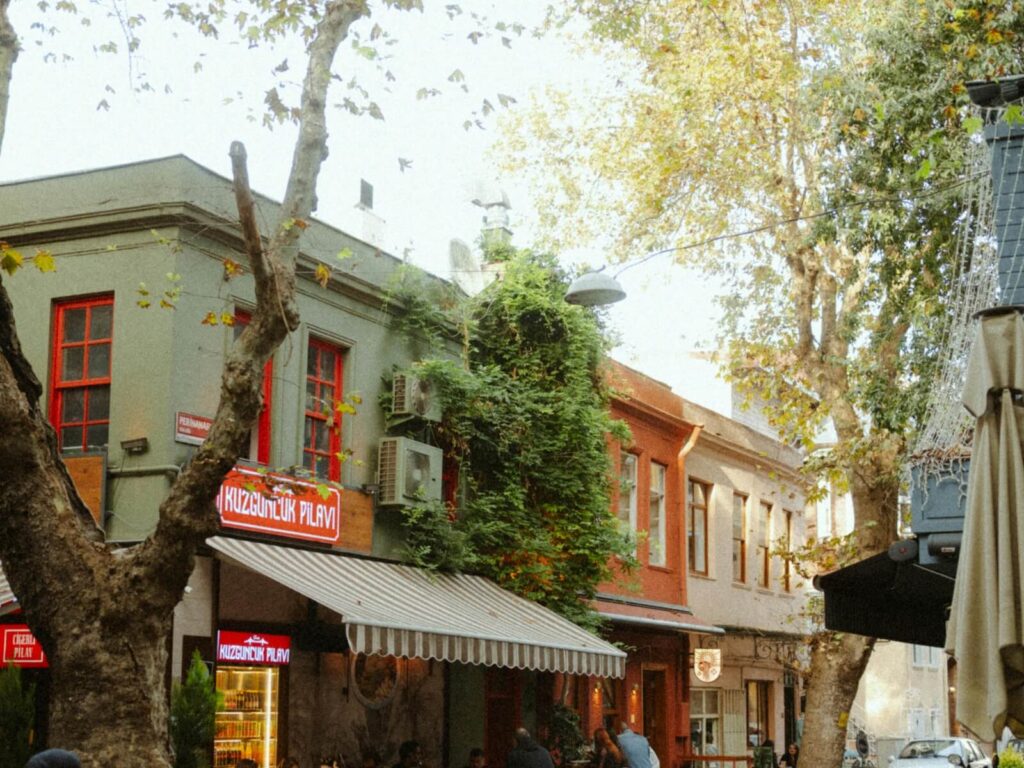
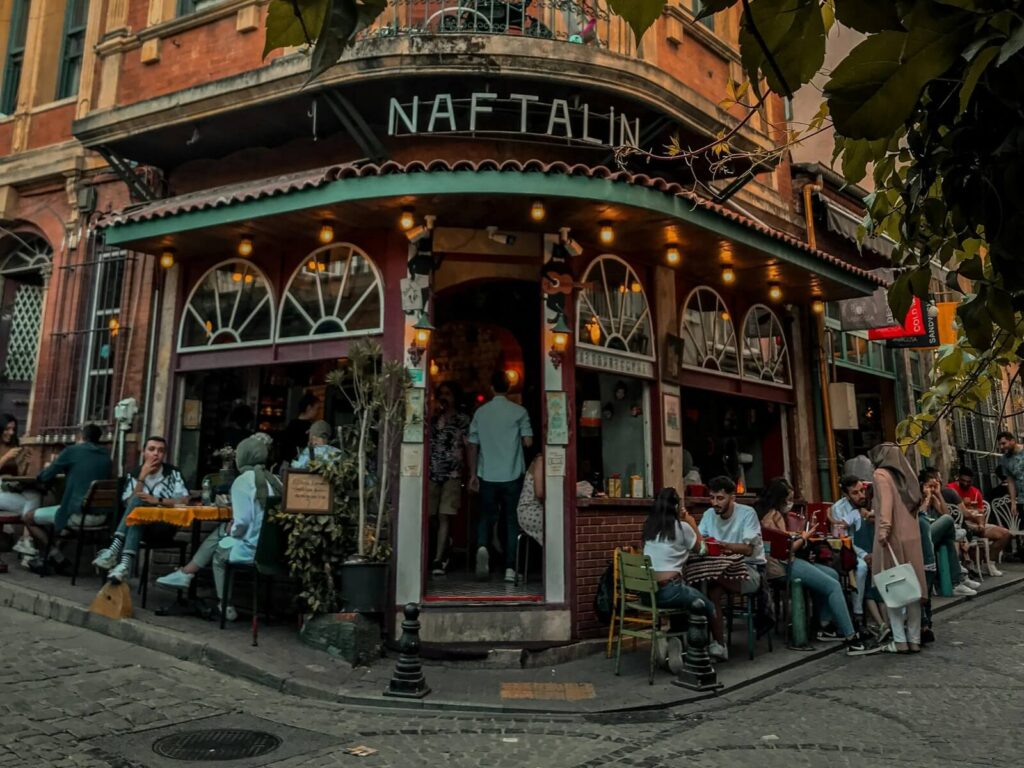
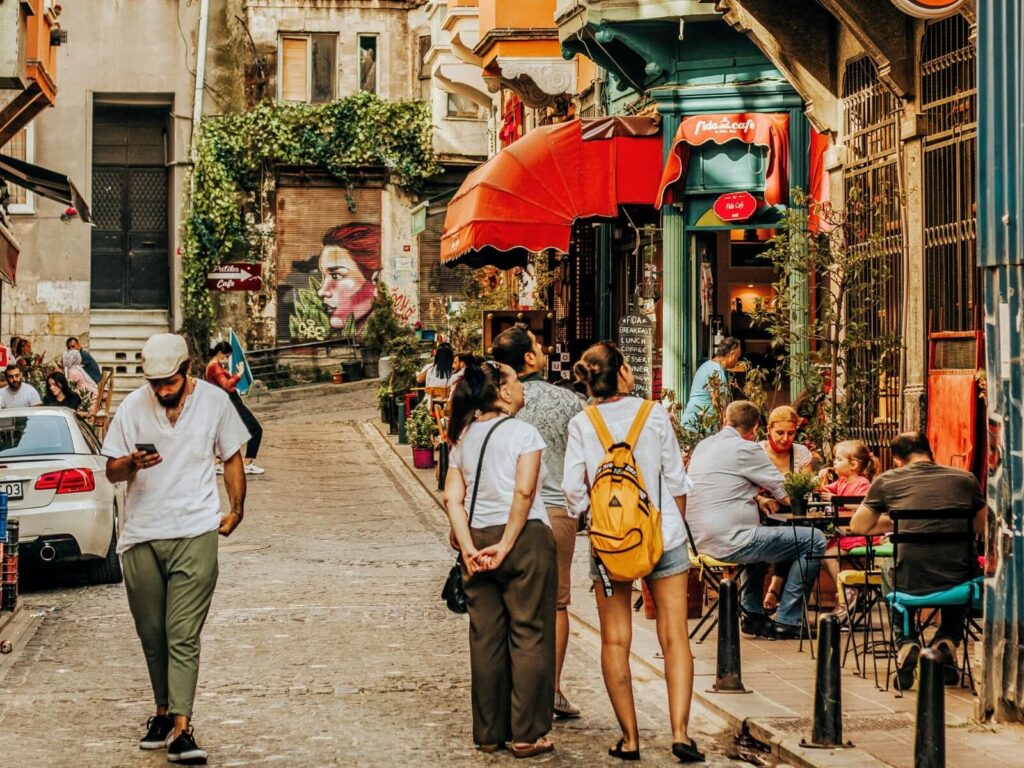
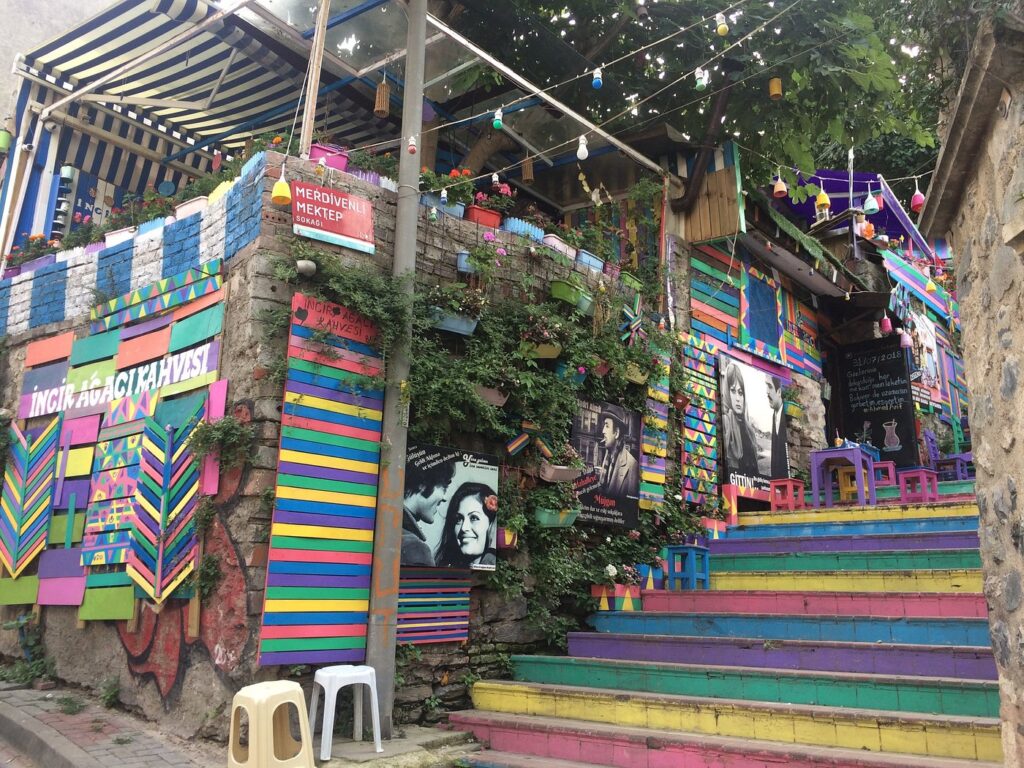
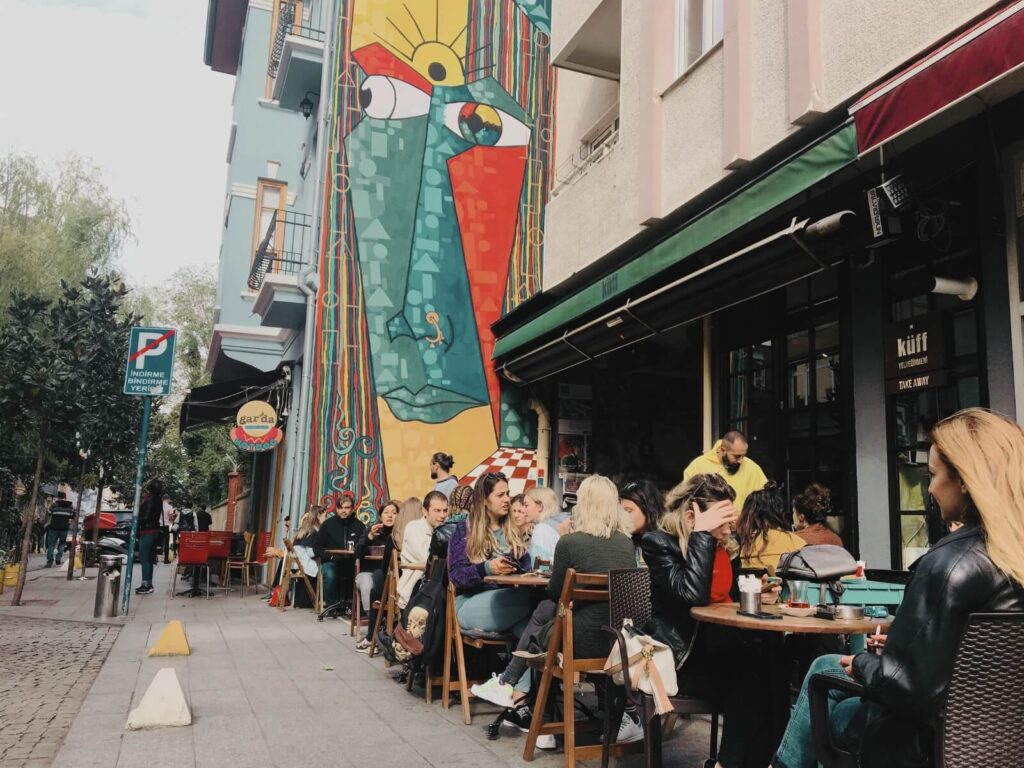

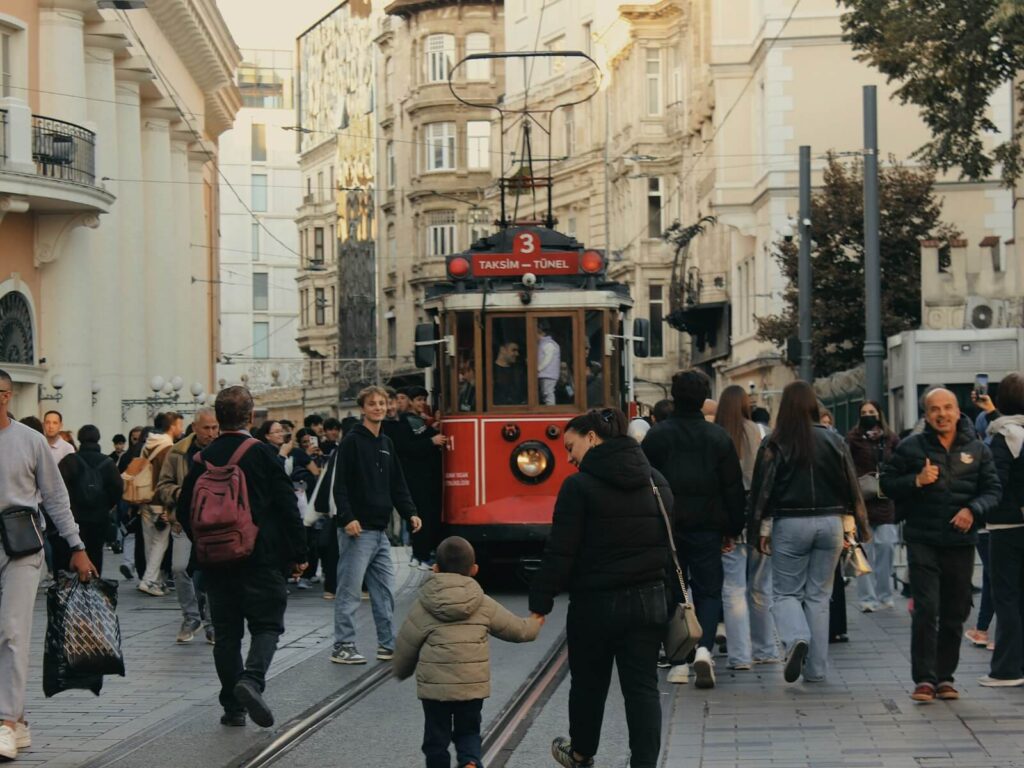
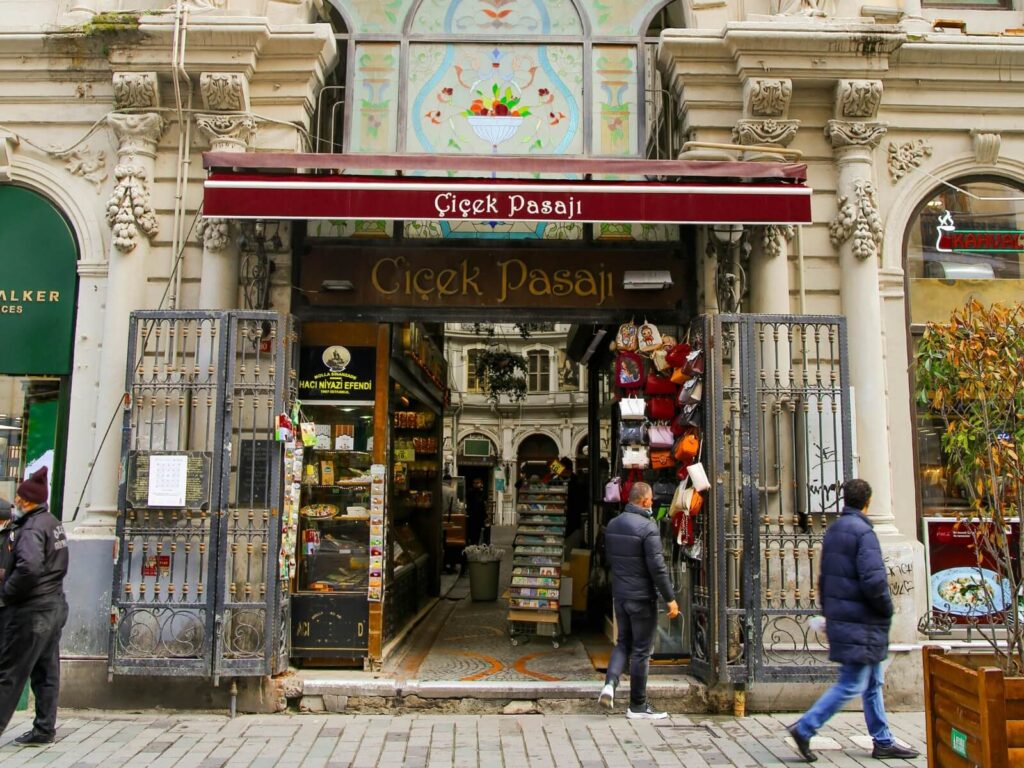
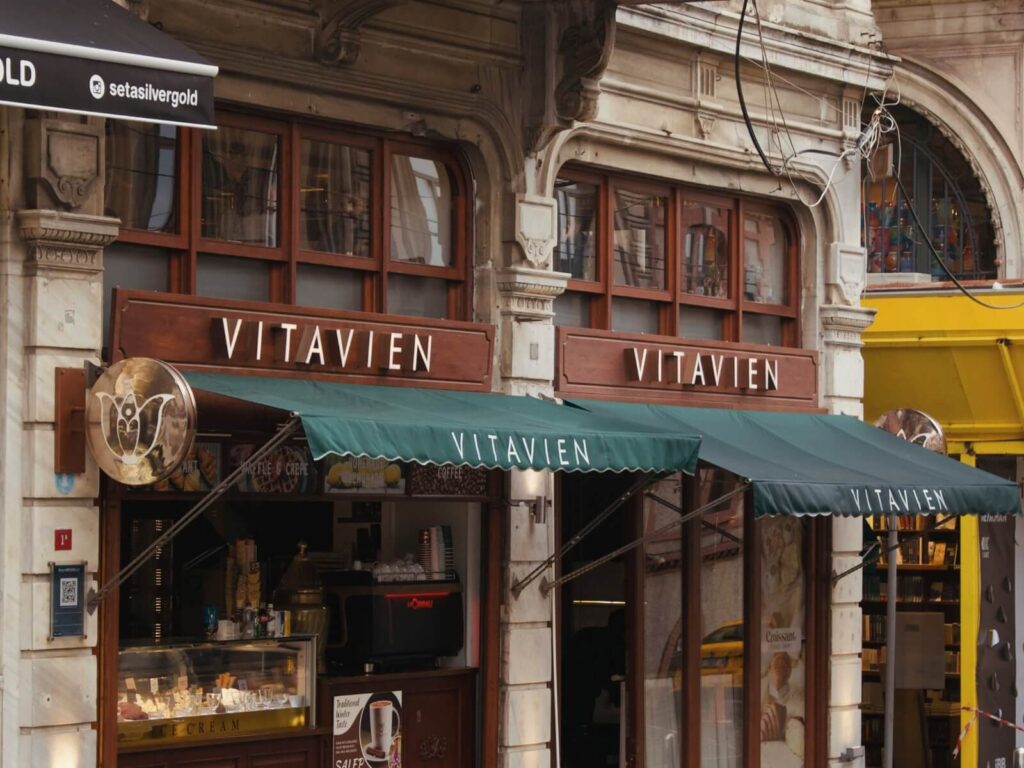
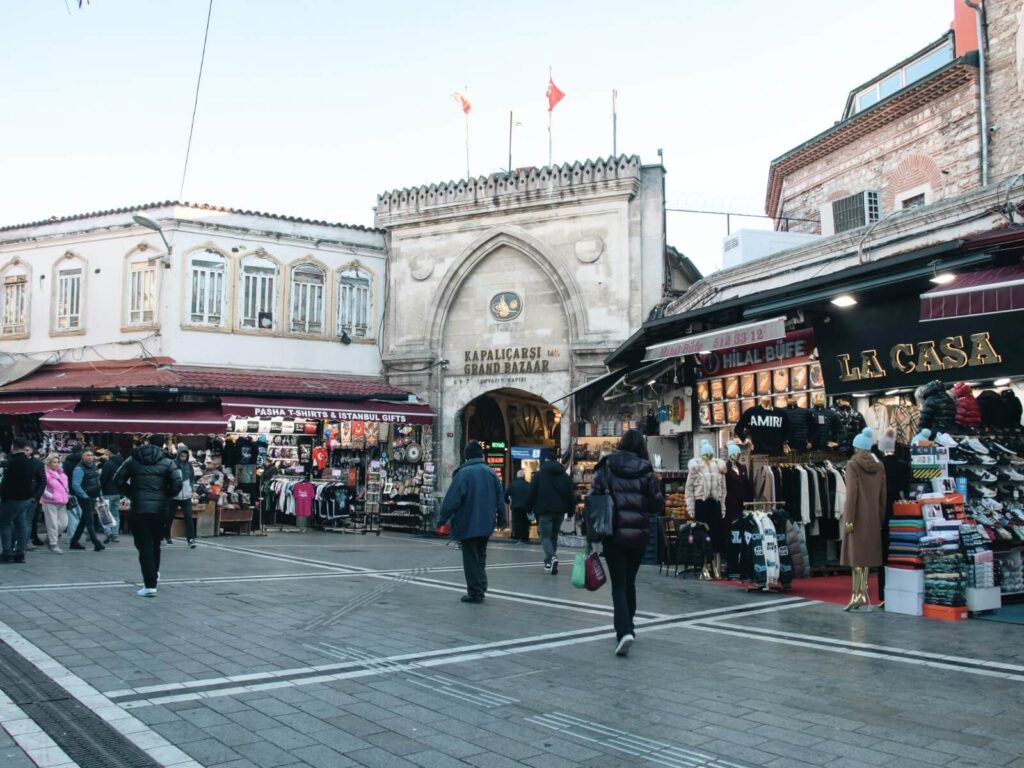
Some places define the identity of a city beyond traditional tourist attractions. In Istanbul, urban landmarks include historic squares, famous streets, waterfront districts, bridges, ferry hubs, towers, and public spaces that shape everyday life as much as the city’s skyline. Whether historic or modern, these landmarks capture the atmosphere, scale, and energy that make Istanbul one of the world’s most distinctive urban destinations.
Whether you are interested in Ottoman heritage, Byzantine history, contemporary art, photography, literature, or experimental exhibitions, Istanbul offers cultural attractions suited to both first-time visitors and returning travelers looking to explore deeper layers of the city.
Explore our complete attractions collection and discover places by district, attraction duration, atmosphere, and whether they are better suited for first-time visitors or returning travelers to find the right experiences for your trip.
Urban landmarks in Istanbul are more than monuments or sightseeing locations. They are places that define how the city moves, gathers, socializes, and presents itself to both locals and visitors. From historic waterfronts and transportation hubs to famous avenues, bridges, and public squares, these spaces play an important role in Istanbul’s cultural and urban identity.
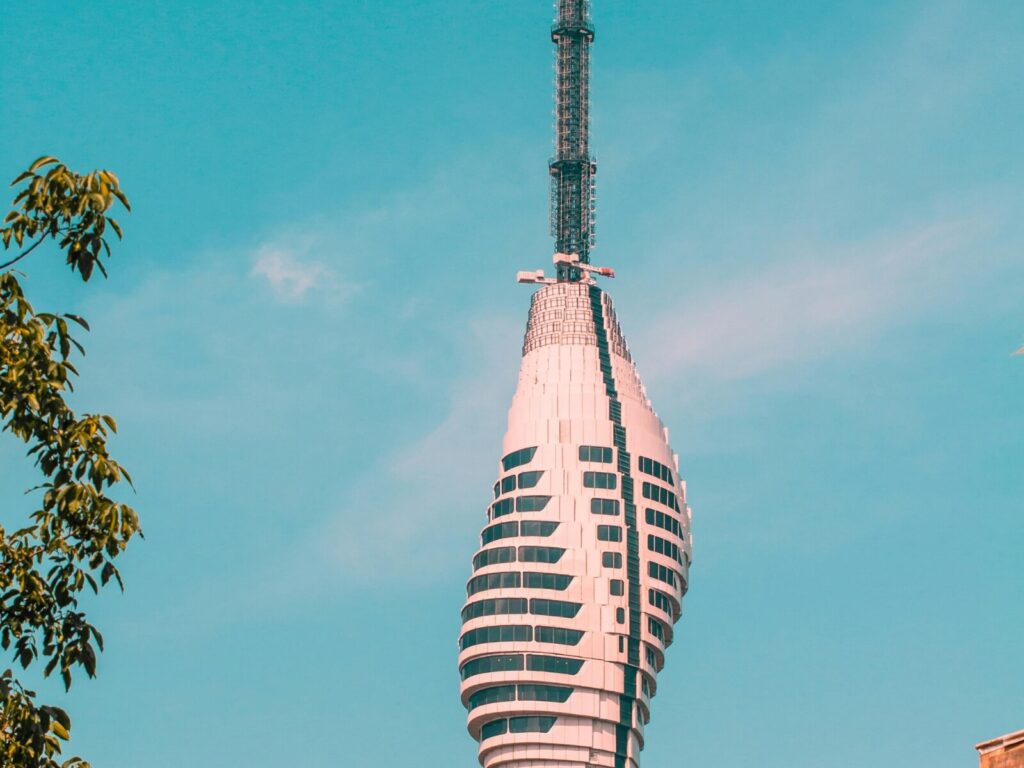
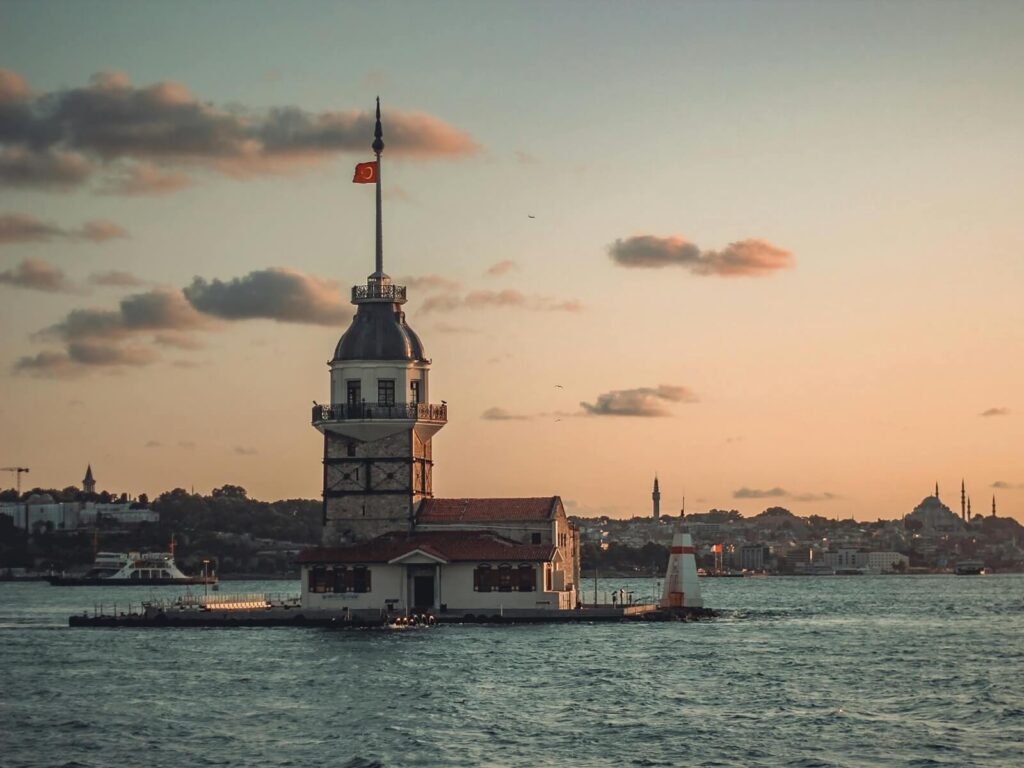
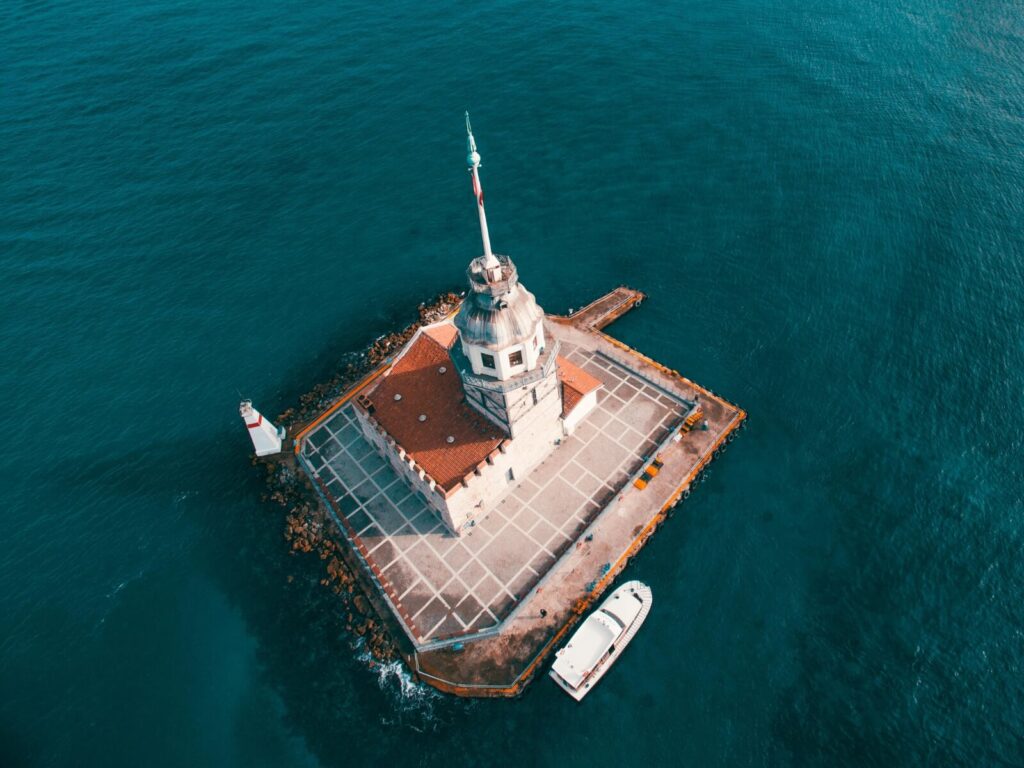
Across districts such as Beyoğlu, Fatih, Beşiktaş, Kadıköy, and Üsküdar, travelers can explore some of the city’s most recognizable urban environments. Large public squares, ferry terminals, historic streets, waterfront promenades, observation towers, and skyline-defining structures all contribute to Istanbul’s character as a city shaped by movement, density, and constant contrast between old and new.
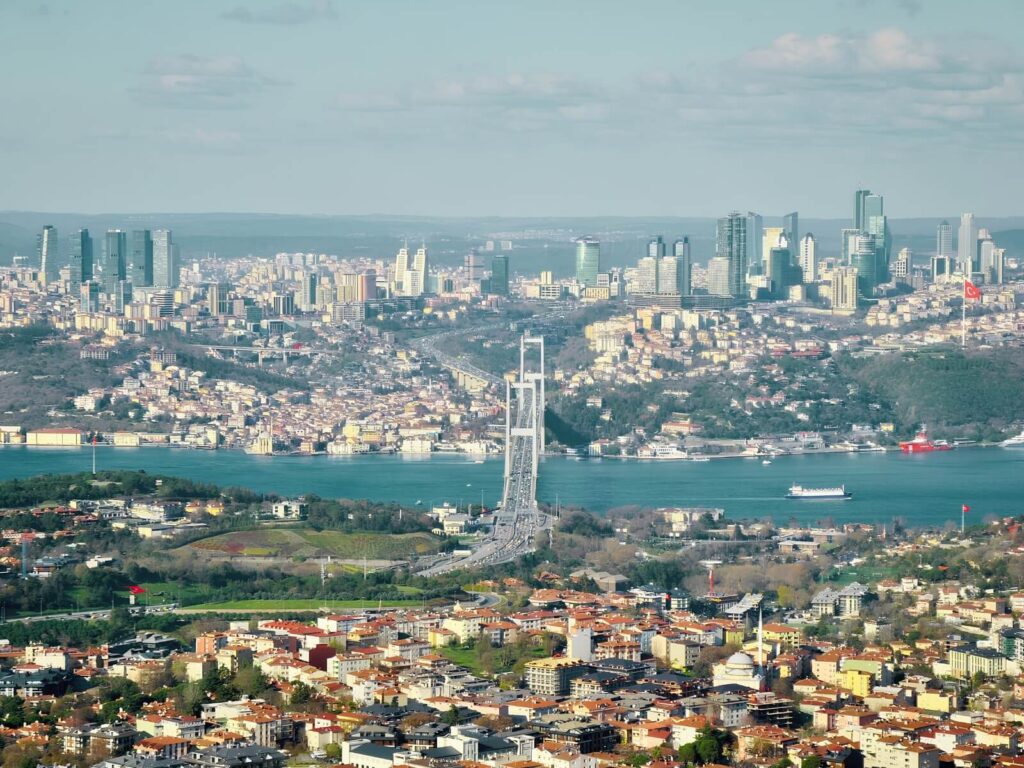
Some urban landmarks are deeply historic, connected to the Byzantine or Ottoman periods, while others reflect Istanbul’s modern transformation into a global megacity. Bridges crossing the Bosphorus, large transportation centers, contemporary waterfront developments, and iconic shopping streets all form part of the broader urban experience that visitors encounter throughout the city.
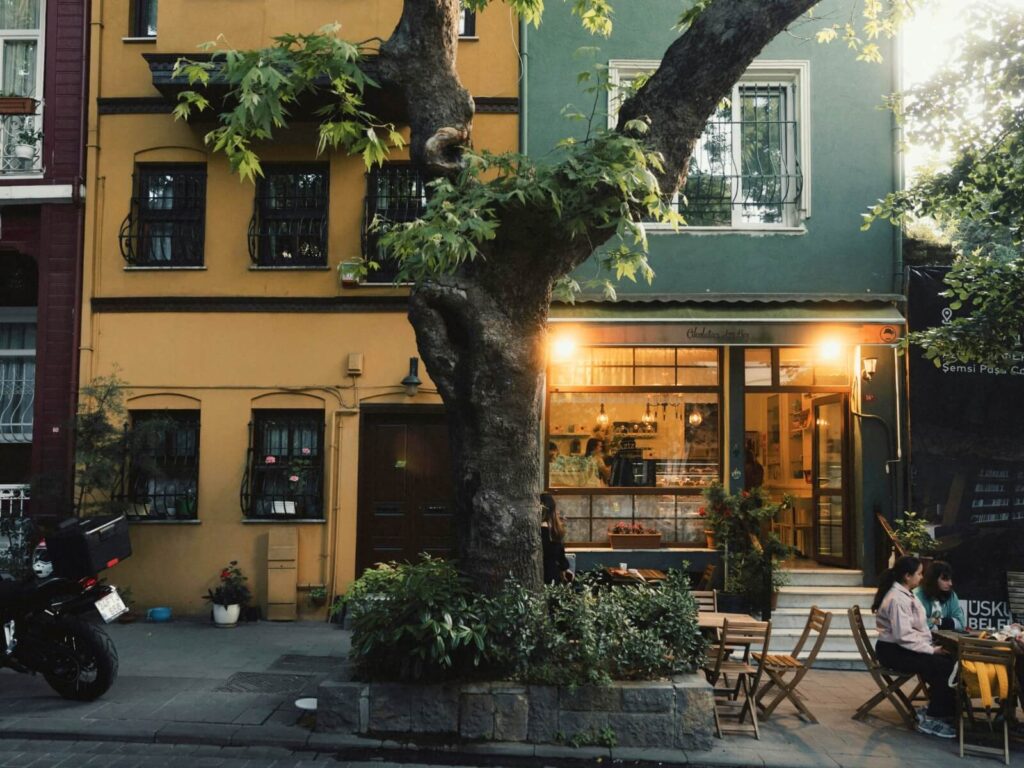
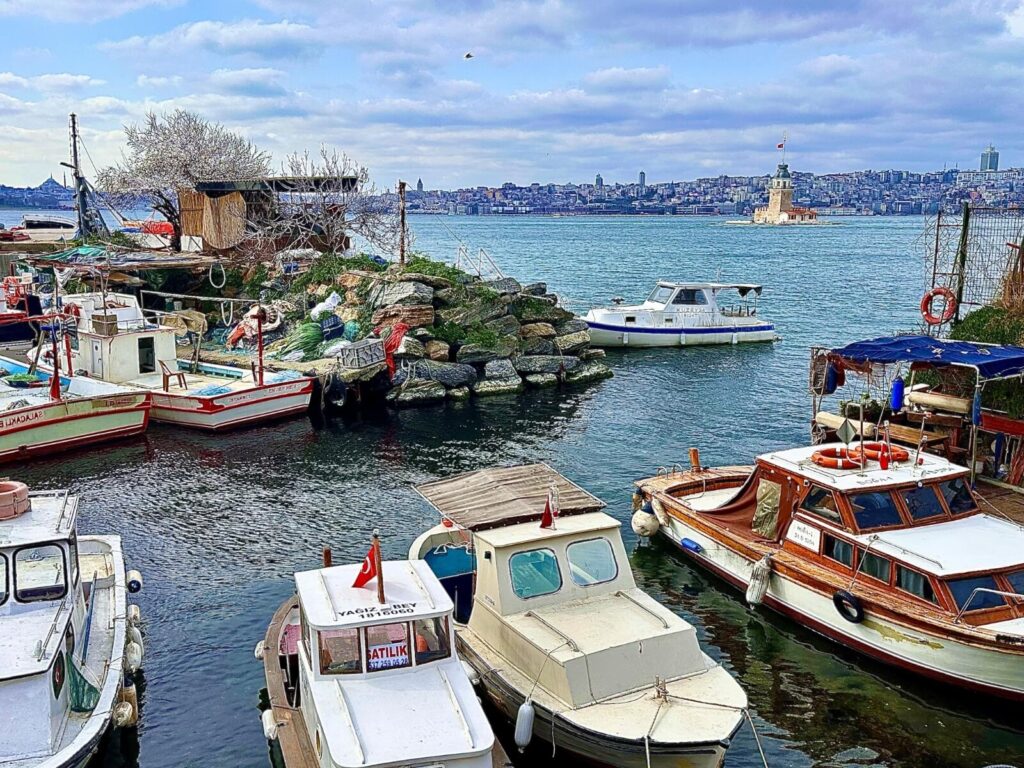
Unlike traditional museums or enclosed attractions, urban landmarks are often experienced through everyday movement and observation. Walking through busy districts, crossing public squares, watching ferries arrive at the docks, or spending time along the Bosphorus waterfront becomes part of understanding Istanbul itself.
For many travelers, these landmarks provide some of the most memorable impressions of the city because they combine architecture, transportation, public life, and atmosphere in ways that feel uniquely Istanbul. They also offer excellent opportunities for photography, people-watching, city views, and experiencing the rhythm of local life beyond formal tourist attractions.