Understanding the most important Istanbul tips for tourists can make a huge difference when visiting the city. Istanbul can feel overwhelming at first, with its fast pace, busy streets, and unique mix of cultures — but once you know the basics, navigating it becomes much easier.
From public transport and airport transfers to SIM cards, payments and everyday essentials, these Istanbul tips for tourists help you move through the city with confidence. Whether it’s your first visit or you simply want to avoid common mistakes, knowing what to expect will make your stay smoother and more enjoyable.
How do tourists get around Istanbul efficiently?
Public transport is often the fastest way to get around Istanbul, especially during rush hours. While traffic can be heavy, metros, trams, ferries, and the Metrobus run independently from traffic and are usually the most efficient option. One of the most useful Istanbul tips for tourists is to rely on these systems instead of cars whenever possible.
What is the best way to get from Istanbul Airport to the city?
The best option depends on your arrival time. During the day and rush hours, Havaist buses or metro connections are often faster because they avoid traffic. Late at night or early in the morning, taxis or private transfers can be a comfortable and efficient choice.
Do I need an Istanbulkart as a tourist?
Yes, an Istanbulkart is highly recommended. It works on almost all public transport, including metro, tram, bus, ferry, and Marmaray, and is the easiest way to move around the city.
When should tourists use taxis in Istanbul?
Taxis are best used outside of peak traffic hours. Early mornings, late evenings, or at night are ideal times. During rush hours, public transport like metro, Marmaray, or ferries is usually faster and more reliable.
Which transport options avoid traffic in Istanbul?
Metro, tram, Marmaray, ferries, and Metrobus are the best options to avoid traffic. These are key Istanbul tips for tourists, especially during busy hours when roads can be heavily congested.
Can tourists pay by credit card in Istanbul?
Yes, credit cards are widely accepted almost everywhere in Istanbul — from restaurants to small shops and even local markets. One of the most practical Istanbul tips for tourists is that you usually don’t need to carry much cash.
Do I need cash in Istanbul as a tourist?
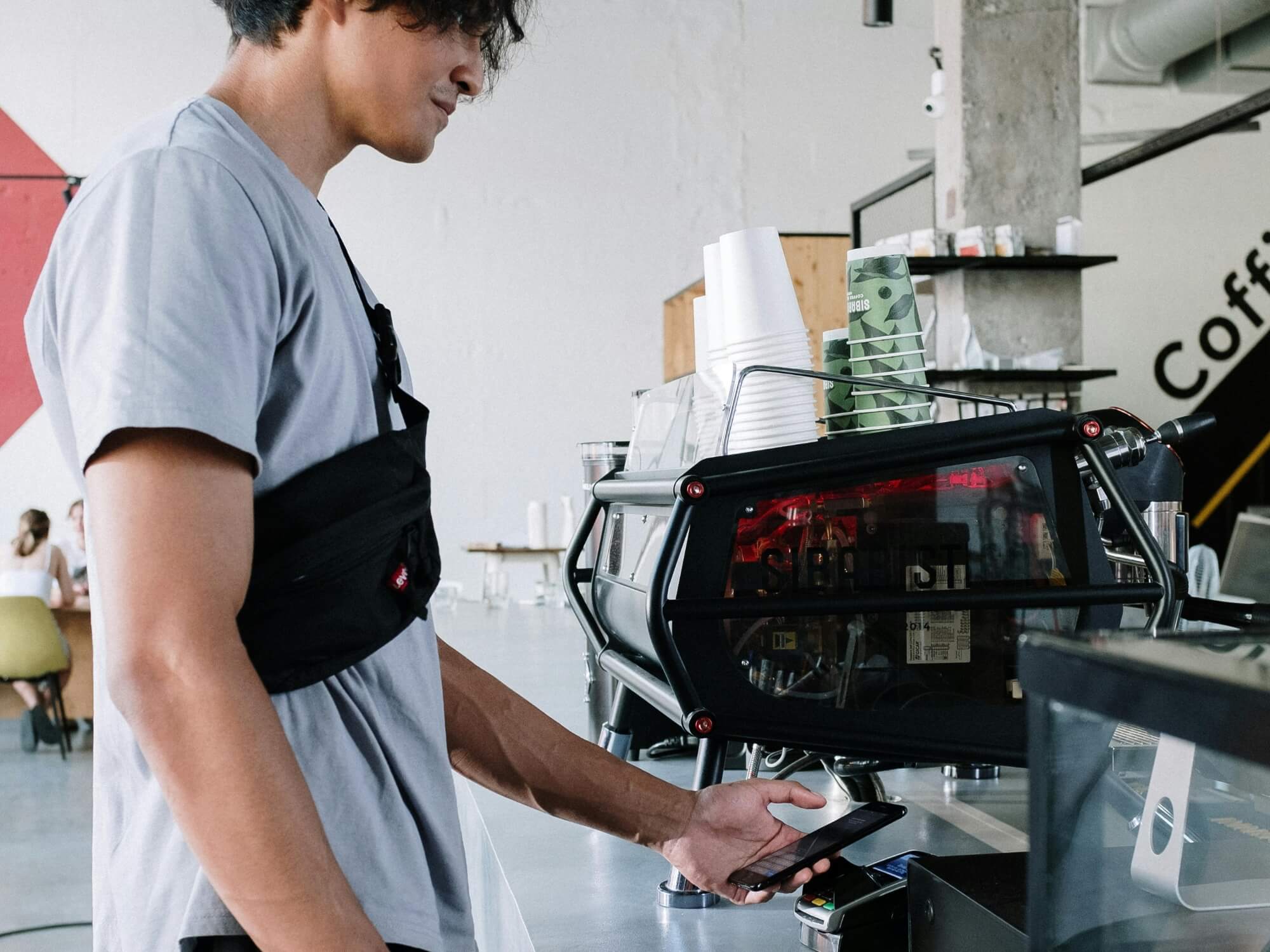
Cash is still useful in some situations, but it’s not essential for most daily activities. Many places also accept mobile payments or contactless options, making it easy to get by without carrying large amounts of cash.
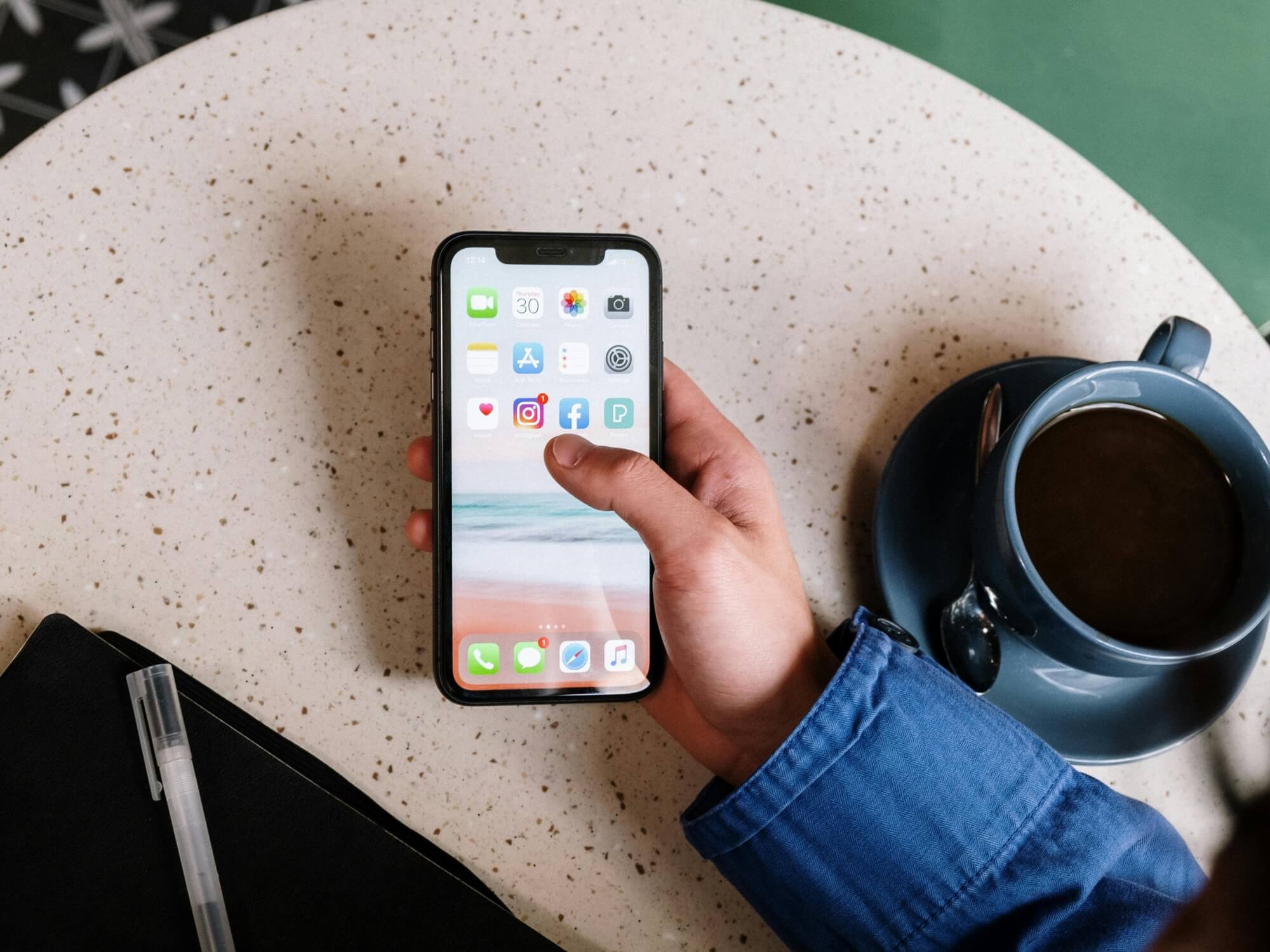
Can I use my phone to pay in Istanbul?
Yes, mobile payments and contactless options are widely available. In many places, you can pay using your phone or QR-based systems, which makes transactions quick and convenient.
How can I stay connected in Istanbul without high roaming costs?
Most tourists use a local SIM card or an eSIM to avoid high roaming fees. This allows you to use maps, transport apps, and stay connected throughout your trip.
Is Istanbul safe for solo female travelers?
Istanbul is generally safe for solo female travelers, especially in central and busy areas. It’s recommended to follow standard precautions, use trusted transport apps, and avoid empty areas late at night. Having useful apps for transport and emergencies can also make getting around feel more secure.